Ever wondered what separates a beautiful dress from a true work of 'haute couture'? It's more than just the price tag. Let's pull back the curtain on this exclusive world.
We hear the term "haute couture" and immediately think of breathtaking gowns on red carpets, astronomical price tags, and an air of untouchable glamour. For years, I just assumed it was a fancy French phrase for "wildly expensive clothing." And while the cost is certainly a factor, the reality is so much deeper and, honestly, more fascinating. It’s not just a marketing term; it’s a legally protected and fiercely guarded designation with a history as rich as the fabrics themselves.
Think of it less as a brand and more as a title, an honor bestowed upon a select few fashion houses that meet an incredibly strict set of criteria. It’s a commitment to artistry over automation, to the preservation of handcraftsmanship in a world obsessed with speed and mass production. Getting into this world means entering a sacred space where every single stitch tells a story of human skill and dedication. It’s a world governed by a powerful French institution, and they don’t let just anyone in.
The Official Gatekeepers of Glamour
The first thing to understand is that a brand can't simply decide to call itself a couture house. The title is awarded by the Chambre Syndicale de la Haute Couture, a governing body that is part of the Fédération de la Haute Couture et de la Mode in Paris. These are the official guardians of the craft, and their rulebook is notoriously specific. They are the ones who decide who gets to show during the prestigious Paris Haute Couture Week, and membership is reviewed annually. This isn't a lifetime achievement award; it's a standard that must be continuously met.
This governing body was established way back in 1868 to regulate the creation of high-fashion garments and protect designers from having their work copied. Today, its role is to ensure the survival of this unique ecosystem of artisans, designers, and clients. The committee has a list of official members, like Chanel, Dior, and Schiaparelli, but it also invites "correspondent" (foreign) members and "guest" members each season, giving newer designers a chance to showcase their skills on the world's most exclusive stage.
The Parisian Workshop Requirement
One of the most non-negotiable rules is that a house must have a physical workshop, or atelier, in Paris. This isn't just a symbolic gesture; it's a core part of the designation. This atelier must employ a minimum of 15 full-time staff members. But it doesn't stop there. The house must also employ at least 20 full-time technical workers in one of its workshops. This ensures that the brand is not only designing in Paris but is also a true Parisian employer, contributing to the city's unique fashion ecosystem.
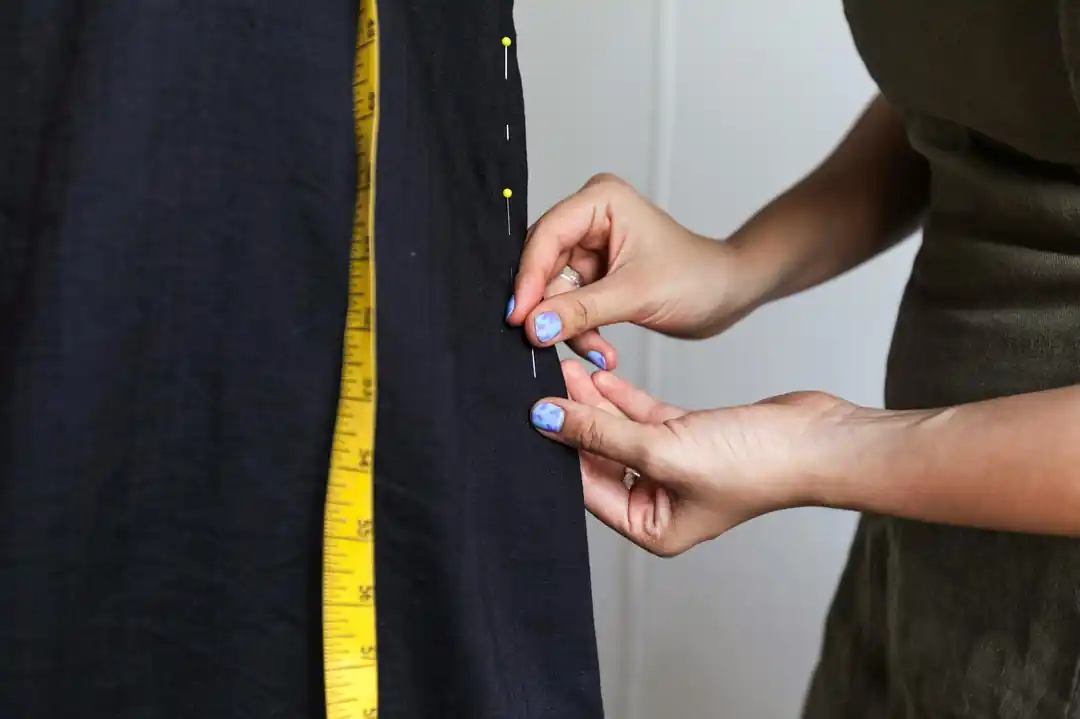
These ateliers are the heart and soul of a couture house. They are often divided into two specialties: flou for the art of draping and creating soft, flowing garments like dresses and blouses, and tailleur for the sharp, structured tailoring of suits and coats. Inside these workshops, you’ll find master artisans—some of whom have been honing their specific skills for decades. It’s a place of intense focus and collaboration, where the designer’s sketch is translated into a three-dimensional reality through countless hours of painstaking work.
The Art of the Collection
Being an official haute couture house also comes with presentation duties. Twice a year, in January and July, the house must present a collection of at least 50 original designs to the public in Paris. This collection must include both daywear and eveningwear. These are the famous Haute Couture Weeks, events that are completely separate from the more commercial Ready-to-Wear fashion weeks. The focus here is pure creativity and craftsmanship, often showcasing designs that are more like wearable sculptures than everyday clothes.
The most crucial part of this rule is the "made-to-order" requirement. Every single piece shown is created for a specific client. After a client places an order, the garment is custom-made to their exact measurements. This process involves multiple private fittings—sometimes three or more—to ensure a flawless fit that is impossible to achieve with off-the-rack clothing. We're talking about hundreds, sometimes thousands, of hours of hand-sewing, beading, and embroidery for a single garment.
This dedication to the bespoke process is what truly separates haute couture from everything else. It’s a deeply personal and collaborative experience between the house and the client. It’s a quiet rebellion against the impersonal nature of modern commerce, a reminder that true luxury isn't just about what you wear, but how it was made and the human story woven into its very fabric. It’s a beautiful, albeit expensive, tradition that hopefully will continue to inspire for generations to come.

Chasing the Yukon's Dancing Lights: Your Guide to an Unforgettable Aurora Adventure
What's Your Financial Story? A Guide to Calculating Your Personal Net Worth

Related Posts
 BUYING GUIDES & PRICE INFO
The Clean Beauty Decoder: Your Guide to Actually Understanding Ingredients
Feeling lost in the world of clean beauty? Let's cut through the noise together and learn how to read ingredient labels with confidence. It's easier than you think.
 PRODUCT CATEGORIES
Beyond the Badge: The Real Things to Look For When Buying a Luxury SUV
Thinking about a luxury SUV? It's more than just a status symbol. Let's explore the details that truly matter, from the whisper-quiet ride to the long-term value.

Popular Posts

Rethinking Non-Profit Promotion: Creative Strategies That Actually Drive Event Impact

Beyond Stark White: The Best Interior Paint Colors to Light Up Your New Space

How to Actually Master a New Language on Your Own (No Magic Gene Required)
