Thinking about a new phone? The choice between iOS and Android runs deeper than you think. Let's break down what really separates these two tech giants.
It’s the modern-day tech rivalry, the digital equivalent of Coke vs. Pepsi or Ford vs. Chevy. For over a decade, the question has echoed in coffee shops, family gatherings, and office break rooms: Are you an iPhone person or an Android person? It feels like a simple choice, but honestly, it’s one of the most significant tech decisions we make. This isn't just about picking a device; it's about choosing an entire ecosystem that will manage your communications, your photos, your privacy, and your daily tasks for years to come.
I’ve bounced between both worlds myself, and I can tell you the debate is far more nuanced than just "blue bubbles vs. green bubbles." Both iOS and Android have matured into incredibly powerful, stable, and feature-rich operating systems. The real differences now lie in their core philosophies—their fundamental approach to how a smartphone should look, feel, and operate. So, if you're standing at that familiar crossroads, let's move past the surface-level arguments and dig into what truly sets these two apart.
The Walled Garden vs. The Open Playground
The most fundamental difference between iOS and Android is the philosophy of control. Apple’s iOS is famously a "walled garden." Apple designs the hardware (the iPhone), the software (iOS), and the marketplace for apps (the App Store). This tight integration is Apple's greatest strength. It allows for a level of optimization and seamlessness that is difficult to match. Everything just works. Your AirPods connect instantly, your photos sync effortlessly to your iPad, and your Apple Watch is a perfect extension of your phone. This consistency creates a user experience that is predictable, reliable, and incredibly smooth.
Android, on the other hand, is an open-source platform. Google develops the core Android OS, but it allows dozens of manufacturers like Samsung, Google itself (with its Pixel line), OnePlus, and others to build their own hardware and even customize the software. This creates a vast, open playground of choice. You can find an Android phone at almost any price point, with a wild variety of features, screen sizes, and designs. Want a phone that folds in half? Or one with a stylus? Or a bare-bones device for under $200? Android has you covered.
This openness is a double-edged sword. The sheer variety is fantastic for consumers, but it can also lead to fragmentation. A feature available on a new Samsung phone might not be on a new Motorola. Software updates, especially for security, can also be slower to arrive on some Android devices compared to iPhones, which all get updates directly from Apple on day one.
Customization: Your Phone, Your Rules?
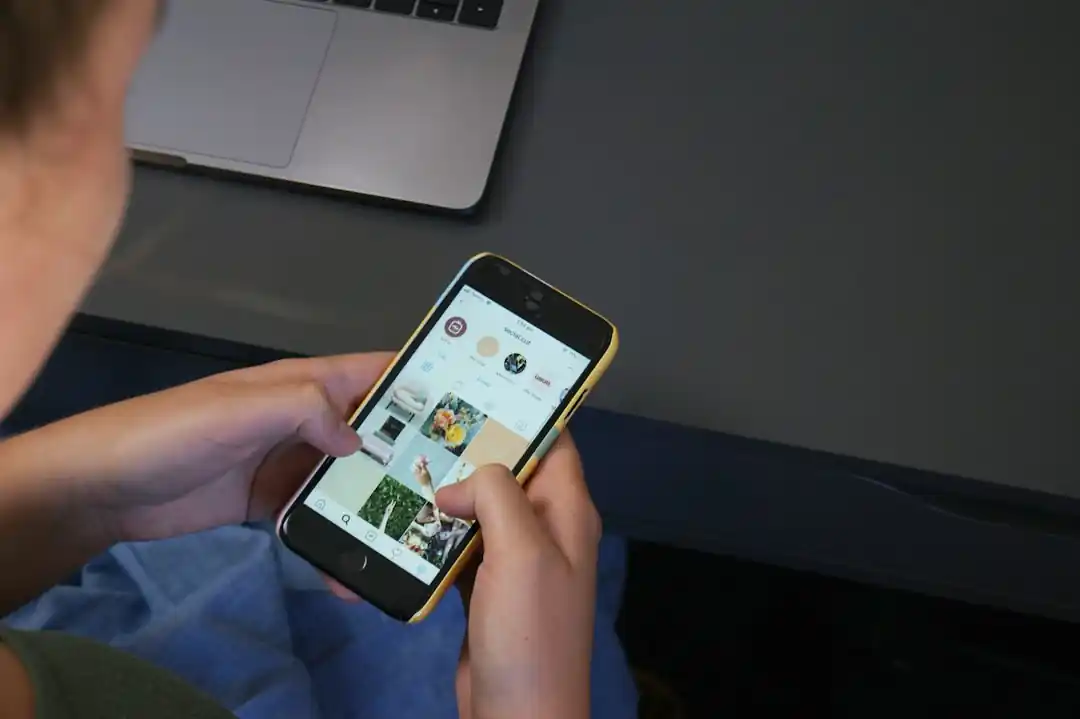
This is where the two platforms diverge dramatically. Android is the undisputed king of customization. If you love to tinker, personalize, and make your device truly your own, Android is your happy place. You can change almost everything, from the home screen launcher, to the icons, to the default apps for browsing, messaging, and more. You can add widgets of all shapes and sizes anywhere you please, giving you at-a-glance information that’s tailored to your needs. This freedom allows you to create a user experience that is uniquely yours.
iOS has traditionally been much more restrictive. What you see is largely what you get. While Apple has opened things up in recent years with the introduction of home screen widgets and the App Library, the level of personalization pales in comparison to Android. The core layout of the home screen and the overall user interface remain locked down. For many, this is a plus. It ensures a clean, simple, and easy-to-navigate experience for everyone. You don't have to worry about accidentally messing up your home screen or getting lost in complex settings menus.
The choice here is deeply personal. Do you see your phone as a tool that should work perfectly and simply out of the box, or as a personal project that you can mold and shape to your exact preferences? There is no right answer, only the one that fits your personality.
App Stores and Security
Both the Apple App Store and the Google Play Store are massive, offering millions of apps. However, their approaches to curation and security reflect their core philosophies. The Apple App Store is heavily curated. Every app goes through a stringent review process before it's allowed on the store. This makes it much harder for malicious apps or low-quality software to get through. This strict vetting process is a cornerstone of the iPhone's reputation for security and privacy.
The Google Play Store is more open. While Google has its own review process and security protocols (like Google Play Protect), the sheer volume of apps and the open nature of Android mean that users need to be a bit more discerning. The trade-off for this openness is a slightly higher risk of encountering malware, though it's a risk that is easily managed by sticking to reputable apps and being mindful of the permissions you grant.
Furthermore, Android allows for "sideloading"—installing apps from outside the official Play Store. This is a powerful feature for advanced users who might want to access apps not available in their region or use specialized open-source software. For iOS users, this is simply not an option without "jailbreaking" the device, a complicated process that can void your warranty and compromise your security.
Ultimately, the choice between iOS and Android is about what you value most. Do you prioritize seamless integration, simplicity, and a rock-solid security model? iOS is likely your best bet. Or do you crave choice, customization, and the freedom to make your device truly your own? If so, the world of Android awaits. Both are mature, exceptional platforms, and the best choice is the one that feels like a natural extension of you.

The 50/30/20 Rule: Your Guide to Smarter Budgeting
That Little Bag in Your Trunk Could Save Your Life: Building a Real Winter Car Safety Kit

Related Posts
 MOBILE
The Great Console Debate: How to Choose the Right Gaming System for Your Family
Feeling stuck between a Switch, a PlayStation, and an Xbox? Let's break down which gaming console is the perfect fit for your family's game nights.
 MOBILE
From Fragile to Formidable: The Surprising Evolution of Foldable Phone Durability
Remember when the idea of folding a smartphone screen in half felt like a disaster waiting to happen? Let's talk about how far they've come, because the story is pretty incredible.
Popular Posts

Rethinking Non-Profit Promotion: Creative Strategies That Actually Drive Event Impact

Beyond Stark White: The Best Interior Paint Colors to Light Up Your New Space

How to Actually Master a New Language on Your Own (No Magic Gene Required)
