Beyond the Music: A Walker's Guide to Liverpool's Historical Heart
Forget what you think you know. Liverpool's story is etched in stone and sea, and I'm taking you on a journey to discover its most profound historical sites.
When most people in the States think of Liverpool, their minds usually jump straight to The Beatles. And don't get me wrong, the city is rightly proud of the Fab Four. But I want to let you in on a little secret I discovered on my first trip there: Liverpool's soul is so much older and deeper than a four-piece band. It’s a city built on maritime ambition, incredible wealth, and a resilience that you can feel in the salty air.
Walking through Liverpool is like flipping through the pages of a dense history book, where every street corner and grand facade has a story to tell. This isn't just a place to visit; it's a place to experience. I remember standing at the Pier Head, looking at the iconic skyline, and feeling this overwhelming sense of connection to the generations of sailors, merchants, and dreamers who stood in the exact same spot. It’s a city that doesn’t hide its past—it celebrates it, confronts it, and builds upon it. So, if you're ready to look beyond the music, let's take a walk through the historical heart of this incredible city.
The Royal Albert Dock: Where History Meets the Horizon
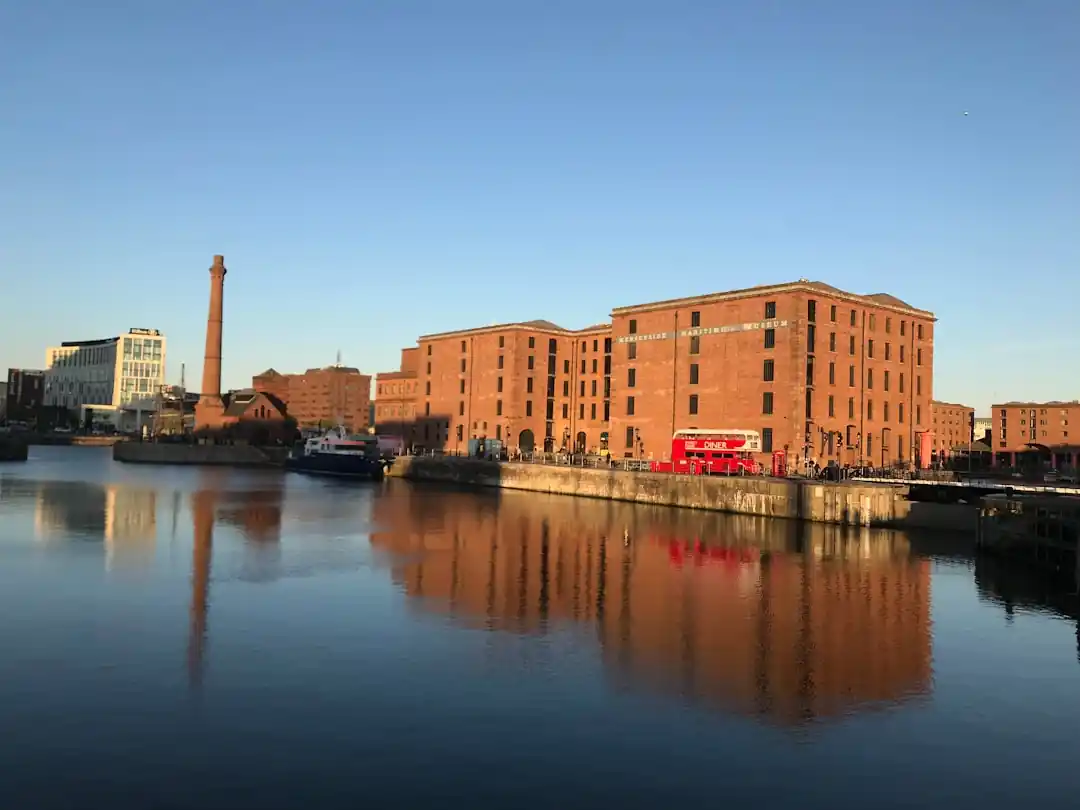
You can't talk about Liverpool's history without starting at the Royal Albert Dock. This place is, without a doubt, the city's historical anchor. When it opened in 1846, it was a complete game-changer. We're talking about the first structure in Britain built entirely from cast iron, brick, and stone—no structural wood at all. This made it the world's first non-combustible warehouse system, a revolutionary concept designed to protect precious cargo like cotton, tea, and silk from the constant threat of fire.
Strolling along the wide walkways today, it’s easy to let your imagination run wild. You can almost hear the clatter of horse-drawn carts on the cobblestones and the shouts of dockworkers hauling goods from the tall ships that once moored here. The sheer scale of the place, with its towering red-brick warehouses and massive cast-iron columns, is a powerful testament to the wealth and global influence Liverpool commanded during the Victorian era. It was the beating heart of a worldwide empire of trade.
What I love most about the Albert Dock now is how it has been so beautifully repurposed. After falling into dereliction, it was brought back to life in the 1980s and transformed into a vibrant cultural hub. Today, it houses the Tate Liverpool, the Merseyside Maritime Museum, and The Beatles Story, alongside a fantastic collection of independent shops and restaurants. It’s this seamless blend of past and present that makes it so special. You can spend a whole day here, soaking in centuries of history and then enjoying a fantastic meal as you watch the sun set over the water.
St. George's Hall: A Temple of Civic Pride
Just a short walk from the waterfront, you'll find a building so grand it almost feels like it belongs in ancient Rome or Athens. St. George's Hall is an absolute masterpiece of Neoclassical architecture and a stunning symbol of Liverpool's 19th-century prosperity. When you stand before its magnificent portico, with its towering Corinthian columns, you get a real sense of the city's confidence and ambition during its peak.
The hall was conceived as a multi-purpose venue for music festivals and the city's civil and crown courts. The interior is just as jaw-dropping as the exterior. The Great Hall is an opulent space, but the real treasure lies hidden beneath a protective floor: the Minton tile pavement. Comprised of over 30,000 exquisitely handcrafted tiles, it’s one of the finest examples of its kind in the world. The floor is only revealed to the public for a few weeks each year, and seeing it is an experience you won't forget.
But there's a more somber side to the hall's history, too. You can take a tour that leads you down into the original prison cells and through the restored courtrooms. It’s a powerful and slightly chilling glimpse into the world of Victorian justice. For me, St. George's Hall perfectly encapsulates the dual nature of the era—unparalleled beauty and innovation existing alongside immense social hardship. It’s a must-see for anyone who wants to understand the complexities of that time.
The Three Graces and the Iconic Waterfront
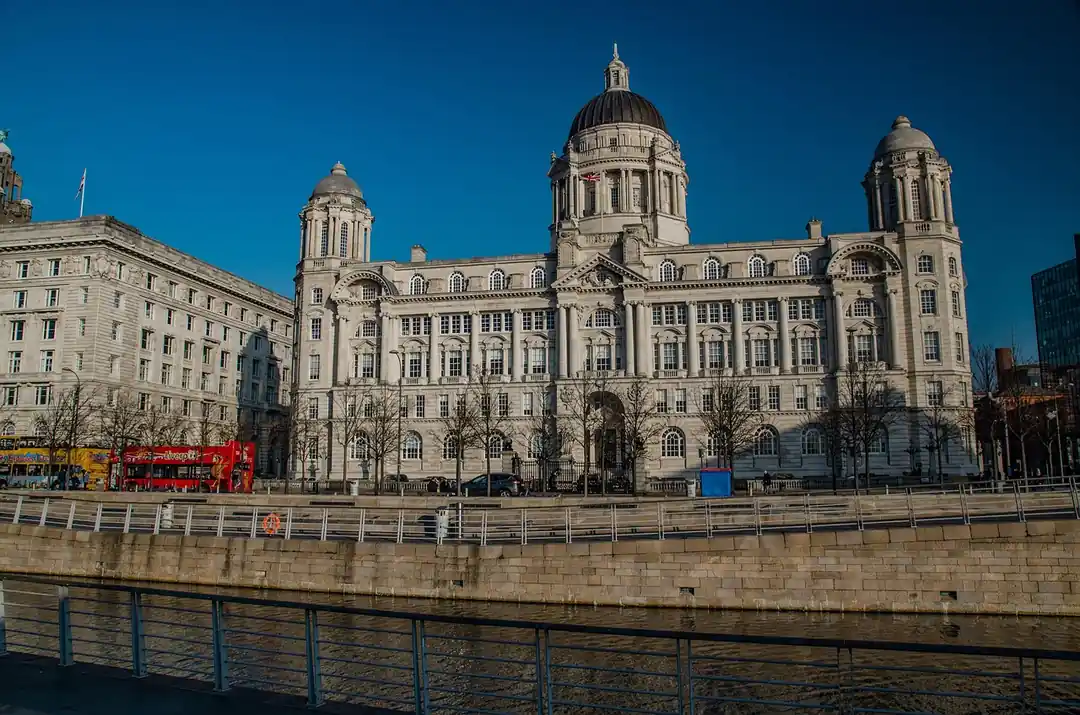
No trip to Liverpool is complete without paying homage to the Three Graces, the trio of iconic buildings that define the city's world-famous waterfront at the Pier Head. These are the Royal Liver Building, the Cunard Building, and the Port of Liverpool Building. Standing together, they form one of the most recognizable skylines in the world and a powerful symbol of the city's international maritime history.
The Royal Liver Building is perhaps the most famous, crowned by the two mythical Liver Birds, Bella and Bertie. Legend has it that if these two birds were to fly away, the city of Liverpool would cease to exist. One looks out to sea, watching over the sailors, while the other looks back over the city, protecting their families. It’s a beautiful piece of folklore that speaks to the city's deep connection with the sea.
The Cunard Building, the former headquarters of the Cunard Line, and the Port of Liverpool Building are equally impressive, with ornate details that speak of a time when Liverpool was the gateway to the world. Just standing here, with the River Mersey flowing by, you feel the immense history of the place. This was the departure point for countless emigrants heading to the New World and the first sight of home for returning travelers. It’s a place of hellos and goodbyes, of hope and history, all rolled into one.
I've spent hours just walking along this waterfront, watching the ferries cross the Mersey and thinking about all the history that has unfolded right here. It’s a profoundly moving experience and the true heart of Liverpool. It’s a reminder that long before the music, this was a city that looked outwards, connecting Britain to the rest of the world. And in that, there's a story that everyone can connect with.
A Fab Three Days: Your Ultimate 3-Day Liverpool Itinerary
From Tarmac to Downtown: The Best Ways to Get from MSP to Minneapolis

Related Posts
 TRANSPORT
Beyond the Highway: Finding Canada's Soul on a Western Rail Adventure
Forget road trips. I'm talking about rediscovering the romance of travel on Via Rail's most scenic routes through the heart of the Canadian West. It’s an experience that changes you.
 TRAVEL TIPS
The Unwritten Rules of the North: What to Know Before Camping in Canada
Heading to the Great White North for a camping trip? It's an amazing idea. But from campfire etiquette to wildlife wisdom, here’s what you need to know before you go.
Popular Posts

Rethinking Non-Profit Promotion: Creative Strategies That Actually Drive Event Impact

Beyond Stark White: The Best Interior Paint Colors to Light Up Your New Space

How to Actually Master a New Language on Your Own (No Magic Gene Required)
