The Art of the Unburdened Pocket: A Guide to Mastering Your Everyday Carry
Tired of fumbling for keys or dealing with a bulky wallet? It's time to rethink what you carry. Let's dive into how a minimalist, organized EDC can make your day smoother and your mind clearer.
Let’s be honest. Have you ever had that mini-panic moment, patting down all your pockets just to find your keys? Or the slow, sinking feeling when you realize your phone is at 3% and your charger is sitting on your desk at home? I’ve been there more times than I’d like to admit. For years, my pockets and bag were a chaotic jumble of good intentions and "just-in-case" items that rarely saw the light of day. It wasn't just messy; it was a constant, low-level drain on my mental energy.
That's when I discovered the world of Everyday Carry, or EDC. It’s not about prepping for a zombie apocalypse, but about being intentional with the items you carry every single day. It’s a conscious shift from being a walking junk drawer to a streamlined, prepared individual. Think of it as personal logistics. When you know exactly what you have and where it is, you eliminate friction from your day, freeing up precious brainpower for the things that actually matter.
It’s a simple concept, but the impact is profound. A well-organized EDC isn't just about convenience; it's about creating a sense of calm and control in a world that often feels like it’s spinning out of control. It’s your personal toolkit for navigating modern life with a little more grace and a lot less fumbling.
The 'Home Base' Rule: Your Launchpad for the Day
One of the biggest game-changers for me was establishing a "home base" for my EDC items. It sounds almost too simple, but creating a dedicated spot where you empty your pockets the moment you walk in the door is revolutionary. This could be a simple valet tray on your entryway table, a designated corner of your desk, or even a specific drawer. The goal is to create a ritual.
Before I did this, my mornings were a frantic scramble. Where did I leave my wallet? Are my keys in yesterday's jacket? Now, everything lives in one spot. My keys, wallet, watch, and any other pocket items go directly into the tray when I get home. In the morning, there’s no treasure hunt. I just grab everything from the launchpad, and I’m out the door. This single habit has saved me countless minutes and a significant amount of stress.
This system also serves another crucial purpose: it forces you to confront what you’re actually carrying. When you see all your items laid out together, you start to notice the clutter. That old receipt, the three pens when you only need one, the loyalty card for a store you visited once. Seeing it all in one place is the first step toward curating a more intentional and minimalist carry.
The Pouch Method: Taming the Chaos
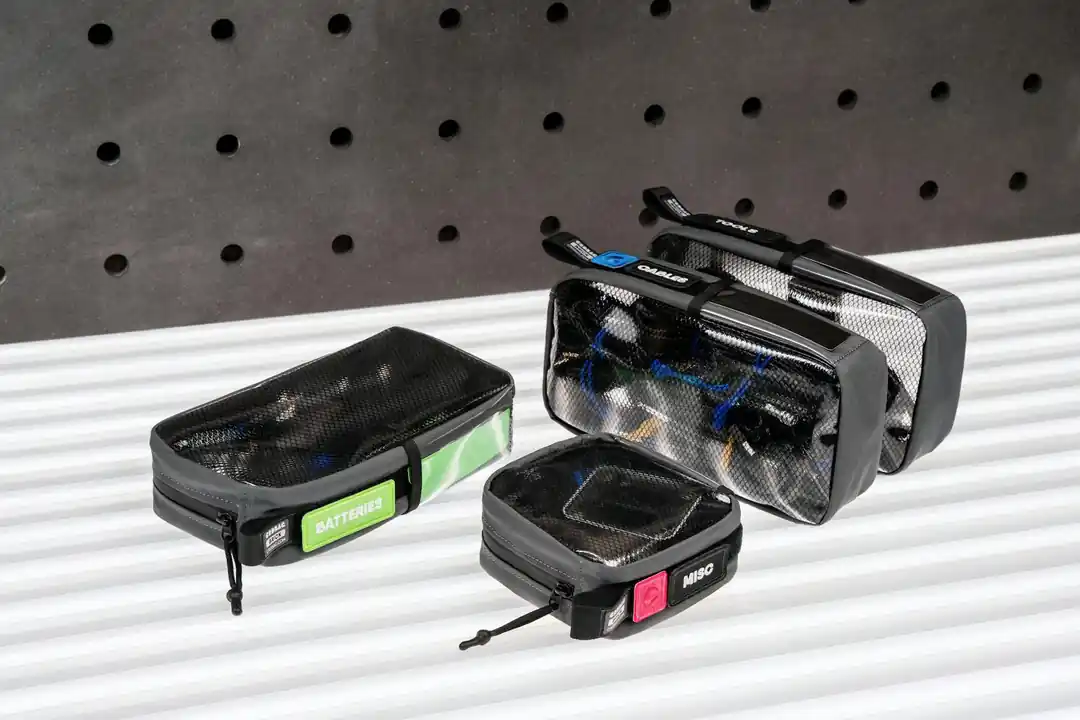
If you carry a bag, backpack, or purse, you know how quickly it can devolve into a bottomless pit. The solution? Pouches. Grouping like items into smaller, dedicated pouches is an absolute game-changer for organization. It’s compartmentalization for your life, and it works wonders for productivity. You’re no longer digging for a lip balm at the bottom of your bag; you just grab your personal care pouch.
I have two main pouches in my backpack. The first is my tech pouch. This holds my portable charger, a multi-cable for my phone and other devices, a spare pair of earbuds, and a small USB drive. Everything tech-related lives here. If I need to charge my phone, I’m not untangling a mess of cables from the depths of my bag; I just grab the pouch.
The second is a smaller "essentials" pouch. This contains things like a small first-aid kit (band-aids, pain relievers), a pen, a small notebook, and hand sanitizer. By grouping these items, I can easily switch them between bags without having to repack everything individually. It ensures I have my core essentials no matter what bag I’m carrying for the day, from my work backpack to a weekend tote.
The Pocket Audit: Prime Real Estate
Your pockets are the most accessible storage you have, so treat that real estate with respect. A common mistake is to just stuff things in wherever they fit. A more productive approach is to assign specific items to specific pockets. This creates muscle memory, so you’re not patting yourself down like you’re going through airport security every time you need your wallet.
My system is simple. Front-left pocket is for my phone, and only my phone. This protects the screen from getting scratched by keys or other objects. Front-right pocket is for my keys (on a quiet key organizer, not a jangling mess) and maybe a small multi-tool. My back-right pocket is for my slimmed-down wallet. Back-left pocket? Always empty. It’s my temporary pocket for things I pick up during the day, like a receipt or a business card.
This might seem rigid, but the consistency is what makes it work. I can grab my phone, keys, or wallet without a single thought. It’s an automatic, frictionless action. This principle of "a place for everything, and everything in its place" is the foundation of an efficient EDC. It’s about making hundreds of tiny interactions throughout your day just a little bit smoother.
The Digital Declutter: Lighten the Physical Load
Finally, one of the most powerful productivity hacks for your EDC is to go digital wherever possible. Your smartphone is the ultimate multi-tool, and leveraging it can eliminate a surprising amount of physical clutter. That bulky wallet full of loyalty cards? There’s an app for that. I use a digital wallet app to store all my loyalty cards, which instantly made my physical wallet half its size.
The same goes for notes. Instead of carrying a large notebook and multiple pens, I rely on my phone for quick notes and reminders. For more in-depth thoughts or journaling, a small, pocket-sized notebook and a single, reliable pen are more than enough. The goal isn't to eliminate analog tools completely, but to be brutally honest about what you truly need to carry physically.
This digital minimalism extends to payments, tickets, and boarding passes. Using mobile payment options and digital tickets means less paper to carry and lose. Every item you can digitize is one less thing to weigh you down. It’s about embracing a hybrid approach that gives you the best of both worlds: the convenience of digital and the reliability of a few, well-chosen physical items. It’s the final step in creating a truly unburdened, productive, and intentional everyday carry.

The Unspoken Rules of the Perfect Dog Walk: Your Essential EDC Guide
The Pocket Revolution: How an EDC Pouch Can Declutter Your Life and Mind
Related Posts
 HOBBIES
The Beginner's Guide to Reading the Night Sky: How to Spot Your First Constellations
A friendly, grounded guide to navigating the night sky, understanding stellar movements, and spotting iconic constellations without expensive gear.
 PETS
PETSSniffle-Free Snuggles: America's Most-Loved Hypoallergenic Dogs
Dreaming of a furry friend but dreading the sneezes? You're not alone. Let's dive into the wonderful world of popular hypoallergenic dog breeds in the US.
Popular Posts

Rethinking Non-Profit Promotion: Creative Strategies That Actually Drive Event Impact

Beyond Stark White: The Best Interior Paint Colors to Light Up Your New Space

How to Actually Master a New Language on Your Own (No Magic Gene Required)
