From Dashing Dukes to Forbidden Love: The Tropes That Make Us Adore Historical Romance
Ever wonder why you can't resist a story about a brooding lord or a marriage of convenience? Let's take a heartfelt journey into the beloved narrative patterns that define historical romance.
There’s a certain kind of magic that lives only within the pages of a historical romance novel. It’s a feeling that’s part grand escapism, part intimate connection—a journey back in time that somehow teaches us about the timeless nature of the human heart. Whether it’s the sweeping landscapes of the Scottish Highlands or the glittering ballrooms of Regency London, these stories offer a unique comfort. But have you ever paused to think about what makes them so consistently captivating?
Honestly, for a while, I thought maybe I was just reading the same story over and over. The brooding duke, the spirited heroine, the impossible circumstances. But I’ve come to realize that these recurring elements, or "tropes," aren't a sign of lazy writing. They're the very heartbeat of the genre. They are familiar, yes, but in the way a favorite song is familiar. You know the melody, but a skilled artist can make you feel it in a completely new way. These tropes are the foundational pillars upon which authors build unforgettable worlds and breathtaking love stories.
They are the secret language between the author and the reader, a shared understanding that allows us to dive headfirst into a story, ready for the emotional journey ahead. It’s the delicious anticipation of seeing how a new author will handle the classic "enemies-to-lovers" dynamic or how they’ll breathe fresh life into a "marriage of convenience." It’s a celebration of narrative structure, and frankly, it’s just so much fun.
The Marriage of Convenience: A Contract for Everything but Love
One of the most enduring tropes, and for good reason, is the marriage of convenience. In an era when marriage was often more about consolidating power, land, or titles than it was about love, this scenario provides the perfect setup for unexpected romance. Two strangers are bound together by a contract, a shared goal, or mutual desperation. They enter the arrangement with clear eyes and guarded hearts, promising each other everything except affection. And that, right there, is where the story truly begins.
The beauty of this trope is in the slow, often reluctant, unfolding of a genuine connection. It’s about watching two people, who may have initially seen each other as a means to an end, start to notice the little things. A shared sense of humor, a moment of unexpected kindness, a surprising vulnerability. We get a front-row seat to the awkward dinners, the forced proximity, and the gradual lowering of walls. It’s a journey from polite indifference to grudging respect, and finally, to a love that feels all the more earned because it was never part of the original plan.
What makes this trope so compelling in modern historicals is how it empowers the heroine. She isn't just a pawn in her family's game. Often, she's the one making the difficult choice to enter the marriage to save her family from ruin, to protect a loved one, or to secure a future for herself that would otherwise be impossible. It’s an act of agency, a strategic move in a world with limited options for women. The marriage becomes her landscape for growth, and the love she finds is not a rescue, but a partnership she builds on her own terms.
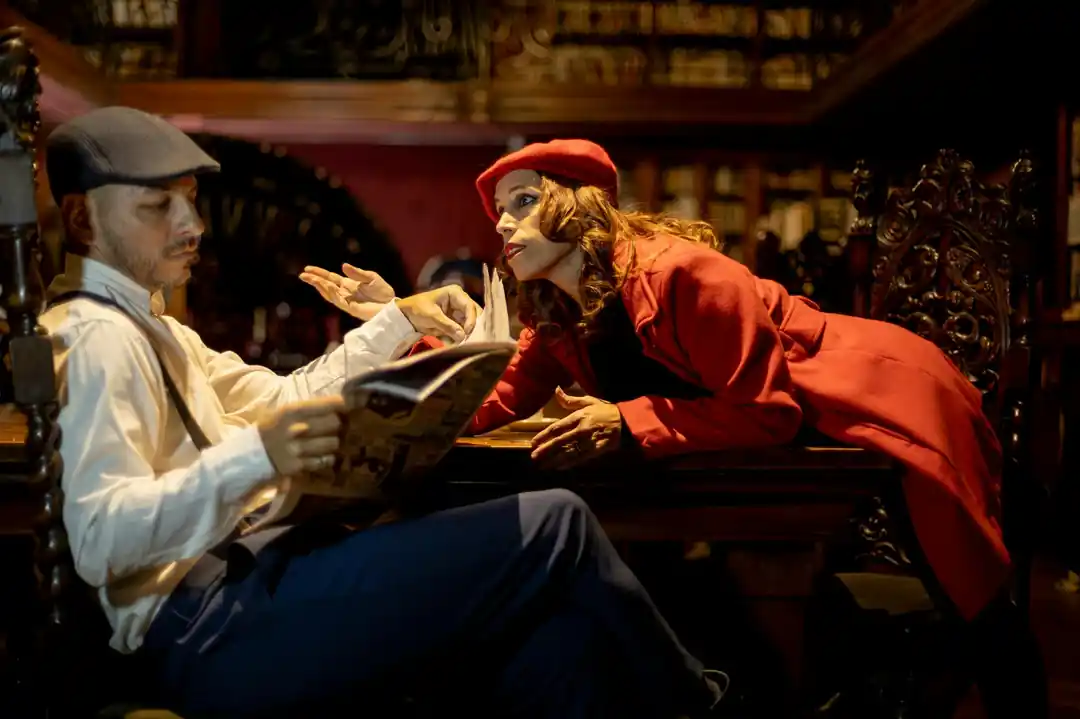
Enemies to Lovers: When Passion Ignites from the Ashes of Disdain
Is there anything more satisfying than watching two people who can’t stand each other slowly, painfully, and then all at once, fall in love? The "enemies-to-lovers" trope is pure narrative gold. The witty banter that crackles with unspoken tension, the arguments that are just a hair's breadth away from a passionate kiss, the moments when they are forced to work together and see a different side of their sworn adversary—it’s an emotional rollercoaster we willingly strap into every single time.
This dynamic thrives in historical settings, where rival families, political conflicts, or deep-seated social prejudices create legitimate reasons for animosity. The external conflict perfectly mirrors the internal turmoil of the characters as they grapple with their unwanted attraction. He might be the arrogant lord who slighted her family; she might be the sharp-tongued bluestocking who challenges his every word. Their journey from mutual loathing to undeniable love is a battle fought on two fronts: against the world and against their own stubborn hearts.
Often, this trope is paired with another favorite: the "reformed rake." The hero is a notorious scoundrel, a man who has built a wall of cynicism and charm around himself. He thinks love is a game, and he’s a master player. But then he meets the one woman who is utterly unimpressed by his reputation. She sees through his act and challenges him, infuriates him, and ultimately, makes him want to be a better man. His transformation, driven by a love he never believed he was worthy of, is a deeply romantic and hopeful fantasy of redemption.
The Brooding, Wounded Hero: Finding Light in the Shadows
And then there is the hero who stands apart from society, the one wrapped in shadow and mystery. The "brooding and wounded hero"—be he a duke, a laird, or a reclusive genius—is a cornerstone of the genre. He is often scarred by a tragic past, be it the horrors of war, a devastating betrayal, or a family curse. He has closed himself off from the world, convinced he is too damaged or dangerous to deserve happiness.
His story is one of healing, and the heroine is the catalyst. She is often the only one who is not intimidated by his gruff exterior or his formidable reputation. With patience, courage, and a healthy dose of empathy, she ventures into his fortress of solitude and begins to let the light in. She sees the honorable, passionate man beneath the layers of pain and cynicism. It’s not about "fixing" him, but about creating a safe space where he can finally begin to heal himself.
The power of this trope lies in its vulnerability. For a character so defined by strength and control, his moments of emotional surrender are incredibly moving. When he finally shares the story of his scars, when he lets his guard down and admits his feelings, it feels like a monumental victory. It’s a story that speaks to our own desires to be seen and loved for who we truly are, scars and all. It’s a quiet, profound journey that reminds us that sometimes the greatest love stories are not about grand gestures, but about the simple, unwavering presence of someone who refuses to let you face the darkness alone.

Navigating the Maze: Your Guide to Choosing a Personal Banking Account in the US
Beyond the Test Scores: A Parent's Guide to Truly Evaluating a School District

Related Posts
 BUYING GUIDES & PRICE INFO
The Clean Beauty Decoder: Your Guide to Actually Understanding Ingredients
Feeling lost in the world of clean beauty? Let's cut through the noise together and learn how to read ingredient labels with confidence. It's easier than you think.
 PRODUCT CATEGORIES
Beyond the Badge: The Real Things to Look For When Buying a Luxury SUV
Thinking about a luxury SUV? It's more than just a status symbol. Let's explore the details that truly matter, from the whisper-quiet ride to the long-term value.

Popular Posts

Rethinking Non-Profit Promotion: Creative Strategies That Actually Drive Event Impact

Beyond Stark White: The Best Interior Paint Colors to Light Up Your New Space

How to Actually Master a New Language on Your Own (No Magic Gene Required)
