What to Know Before Planning a Trip to Israel: A Guide for US Travelers
Thinking about a trip to Israel? It's a journey that will change you. Here are some honest, essential tips I learned firsthand to help you plan your own unforgettable adventure.
There are some places you visit, and there are some places that visit you back, settling into your soul in a way you never quite expected. For me, Israel is one of those places. It’s a land of profound history, vibrant culture, and landscapes that shift from ancient stone cities to serene coastlines in the blink of an eye. Planning a trip there from the US, however, can feel like a huge undertaking. There's so much information, so much history, and let's be honest, so much news to sift through.
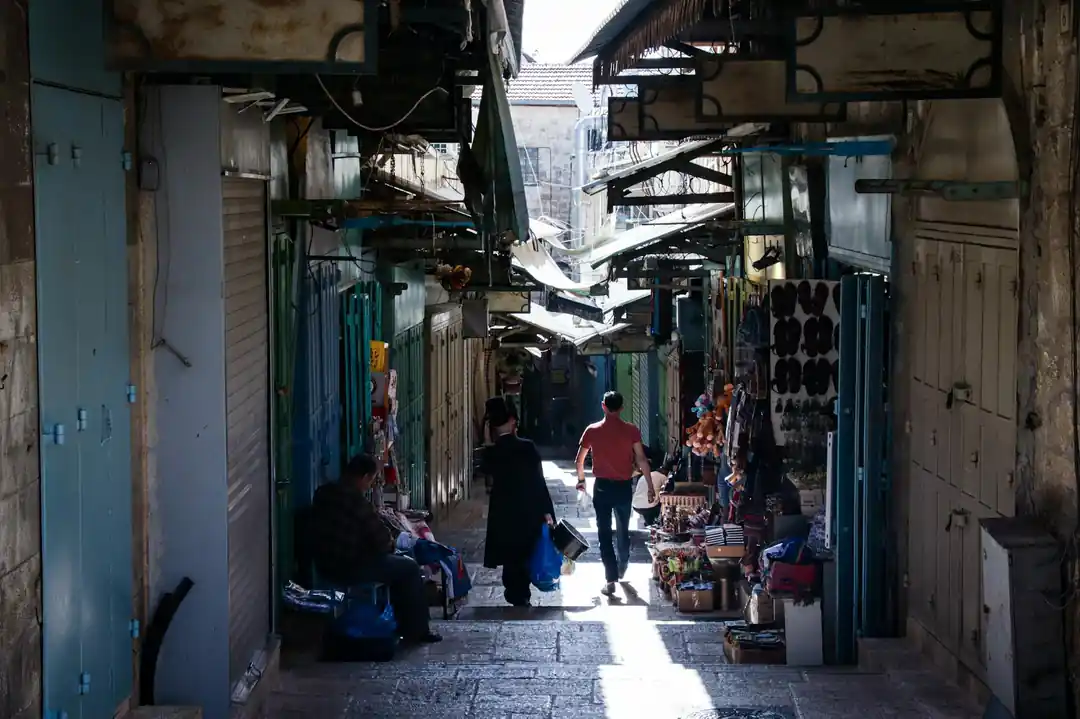
I remember feeling a mix of excitement and apprehension before my first trip. Would it be safe? Would I understand the cultural norms? What should I absolutely not miss? These questions are completely normal. The key, I found, is to prepare. Doing your homework doesn't diminish the spontaneity of travel; it empowers you. It frees you from the little anxieties so you can fully immerse yourself in the magic of floating in the Dead Sea or hearing the call to prayer echo through Jerusalem's Old City.
So, let's sit down and talk, friend to friend. Here is some real, practical advice, gathered from research and personal experience, to help you plan a smooth, safe, and deeply meaningful journey to Israel.
The Practical Stuff: Visas, Flights, and When to Go
First, let's get the logistics out of the way. For US citizens, the entry process is fairly straightforward, but there have been some recent changes. You don't need a traditional visa for stays up to 90 days, but as of 2025, you do need to get an ETA-IL (Electronic Travel Authorization) before you go. Think of it as similar to the ESTA for visiting Europe. It's a simple online application, but make sure you do it at least 72 hours before your flight to be safe. Also, check your passport! It must be valid for at least six months from your date of entry.
Choosing when to visit can dramatically shape your experience. The peak summer months (June-August) are popular but can be intensely hot, especially in the desert regions. I personally love the shoulder seasons: spring (April-May) and fall (September-October). The weather is absolutely gorgeous—pleasantly warm and perfect for exploring—and the crowds are a bit thinner. Keep in mind major Jewish holidays like Passover in the spring or Yom Kippur in the fall. While it's a fascinating cultural experience, much of the country shuts down, which can throw a wrench in your travel plans if you're not prepared for it.
Flying from the US is a long haul, so prepare for that. Direct flights are available from major hubs like New York, but many routes will have a layover in Europe. My advice? Hydrate, bring a good neck pillow, and maybe splurge a little on some extra legroom if you can. It makes a world of difference when you land and want to hit the ground running instead of collapsing in your hotel room.
Navigating the Culture: Shabbat, Kosher, and Communication
Israel's culture is a rich, complex tapestry, and being a respectful observer is part of the joy of visiting. The most significant cultural rhythm to be aware of is Shabbat, the Jewish day of rest. It begins at sundown on Friday and ends after nightfall on Saturday. During this time, many businesses, restaurants, and public transportation services close down completely, especially in Jerusalem. In more secular cities like Tel Aviv, the impact is less dramatic, but it's something you absolutely must plan for. A Friday afternoon grocery run is a smart move!
You'll also encounter kosher food laws. While you can easily find non-kosher food, especially in Tel Aviv, understanding the basics is helpful. It means certain foods (like pork and shellfish) are not eaten, and meat and dairy are not served or eaten together. Honestly, it’s a fantastic opportunity to dive into Israeli cuisine, which is a delicious melting pot of Middle Eastern and Mediterranean flavors. Don't leave without trying shakshuka for breakfast, grabbing some falafel from a street vendor, and indulging in a proper Israeli salad.
When it comes to communication, Israelis are known for being very direct and warm. It can sometimes feel a bit blunt to an American sensibility, but it's rarely meant to be rude. It's a culture that values honesty and openness. Don't be surprised if someone you've just met invites you for a meal—hospitality is a cornerstone of the society. While Hebrew and Arabic are the official languages, English is widely spoken in tourist areas, so you'll have no trouble getting by.

Staying Safe and Getting Around
Safety is, understandably, a top concern for many travelers to Israel. It's a country that lives in a complex geopolitical reality, but the day-to-day experience for a tourist is generally very safe. There is a visible security presence, which can be reassuring. The best advice is the same as for any travel: stay aware of your surroundings, be mindful in crowded public places, and use common sense. It's also wise to register your trip with the U.S. State Department's STEP (Smart Traveler Enrollment Program) to receive security alerts.
Getting around the country is surprisingly easy. The bus system is extensive and efficient, and the trains are modern and connect major cities. A "Rav-Kav" is the local transportation card you can load up and use for both buses and trains, which is super convenient. In cities, ride-sharing apps are also popular. One thing to remember, as mentioned before, is that most public transport stops for Shabbat.
For your packing list, think layers. Evenings can get cool, even after a hot day. Modesty is also important, especially if you plan to visit religious sites. For places like the Western Wall, churches in the Old City, or mosques, both men and women will need to have their shoulders and knees covered. I always carry a light scarf with me; it's perfect for covering up when needed and adds a bit of style.
A trip to Israel is more than a vacation; it's a pilgrimage into the heart of history, faith, and a resilient, modern nation. It challenges you, inspires you, and ultimately, changes you. Go with an open heart and an open mind, and you will be rewarded with an experience that resonates long after you've come home.
Beyond the Guidebook: A Traveler's Heart-to-Heart on Israeli Culture
Beat the Heat: Your Guide to Riding the Valley Metro Rail in Phoenix

Related Posts
 TRANSPORT
Beyond the Highway: Finding Canada's Soul on a Western Rail Adventure
Forget road trips. I'm talking about rediscovering the romance of travel on Via Rail's most scenic routes through the heart of the Canadian West. It’s an experience that changes you.
 TRAVEL TIPS
The Unwritten Rules of the North: What to Know Before Camping in Canada
Heading to the Great White North for a camping trip? It's an amazing idea. But from campfire etiquette to wildlife wisdom, here’s what you need to know before you go.

Popular Posts

Rethinking Non-Profit Promotion: Creative Strategies That Actually Drive Event Impact

Beyond Stark White: The Best Interior Paint Colors to Light Up Your New Space

How to Actually Master a New Language on Your Own (No Magic Gene Required)
