The Unwritten Rules of the North: What to Know Before Camping in Canada
Heading to the Great White North for a camping trip? It's an amazing idea. But from campfire etiquette to wildlife wisdom, here’s what you need to know before you go.
There’s something that stirs in the soul when you think about camping in Canada. Maybe it’s the sheer scale of it all—the idea of mountains that seem to scrape the sky, lakes so clear they look like glass, and a quiet so profound you can almost hear your own heartbeat. For my fellow Americans, it’s a destination that feels both excitingly foreign and comfortingly close, a perfect road trip adventure waiting to happen. I’ve spent my fair share of nights under the stars in the U.S., from the deserts of Utah to the forests of the Appalachians, and I kind of thought I had the whole camping thing down to a science.
But Canada, as I quickly learned, plays by its own set of rules. It’s not about being difficult; it’s about a deep, collective respect for the land and the creatures that inhabit it. My first trip to Banff was a real eye-opener. I saw firsthand how seriously regulations are taken, and honestly, it was inspiring. It made me realize that being a good camper isn't just about what you do, but also about what you know before you go. So, if you're dreaming of that northern escape, let's talk. Think of this as a friendly chat over coffee, sharing the essential tips that will make your Canadian camping experience smoother, safer, and even more magical.
Reservations Are Not a Suggestion, They’re a Lifeline
If you take only one piece of advice from this, let it be this: book your campsite far, far in advance. I’m not kidding. In the United States, we’re used to popular national parks like Yosemite or Zion filling up months ahead, but Canada’s system is on another level of competitive. For iconic parks like Banff, Jasper, and Waterton Lakes, the reservation launch day is practically a national event. People plan their entire year around it. The booking window for Parks Canada typically opens in January or February for the entire summer season, and the most sought-after spots can be gone in minutes.
I made the rookie mistake once of thinking I could just "find something" in mid-July near Lake Louise. It was a humbling experience that involved a lot of driving and ended in a less-than-ideal spot far from where I wanted to be. Don't be like me. Research the exact date and time reservations open for your dream park and be ready at your computer. The same goes for many of the popular provincial parks, like those in British Columbia and Ontario. It feels a little intense, but the reward is a guaranteed spot in some of the most beautiful landscapes on Earth. Spontaneity is a wonderful thing, but when it comes to camping in Canada's hotspots, planning is your best friend.
The Unspoken Rules of the Campfire: Firewood and Flames
A campfire is the heart of a campsite, isn't it? It’s where stories are told, marshmallows are roasted, and the chill of the evening is kept at bay. But in Canada, the rules around fire are deeply tied to conservation. The single most important regulation to burn into your memory is that you absolutely cannot bring your own firewood into a national park. This isn't a suggestion to help the local economy; it's a strict, legally enforced rule to prevent the spread of invasive species. Pests like the emerald ash borer have devastated forests, and they can easily travel in a bundle of firewood from another region.
So, where do you get your wood? Every major campground will have firewood for sale, either from the front gate, a camp host, or a dedicated woodlot. You’ll need to purchase a fire permit, which gives you access to the wood. It might seem like an extra step, but it’s a system that ensures the wood is sourced locally and safely. Furthermore, never, ever collect deadfall from the surrounding forest. That wood is a crucial part of the ecosystem, providing homes for insects and nutrients for the soil as it decomposes. Always keep your fire contained within the designated metal fire pit and be vigilant about extinguishing it completely with water until it's cool to the touch. And, of course, always check for fire bans. They can be put in place with little warning, and ignoring them comes with hefty fines and serious risks.
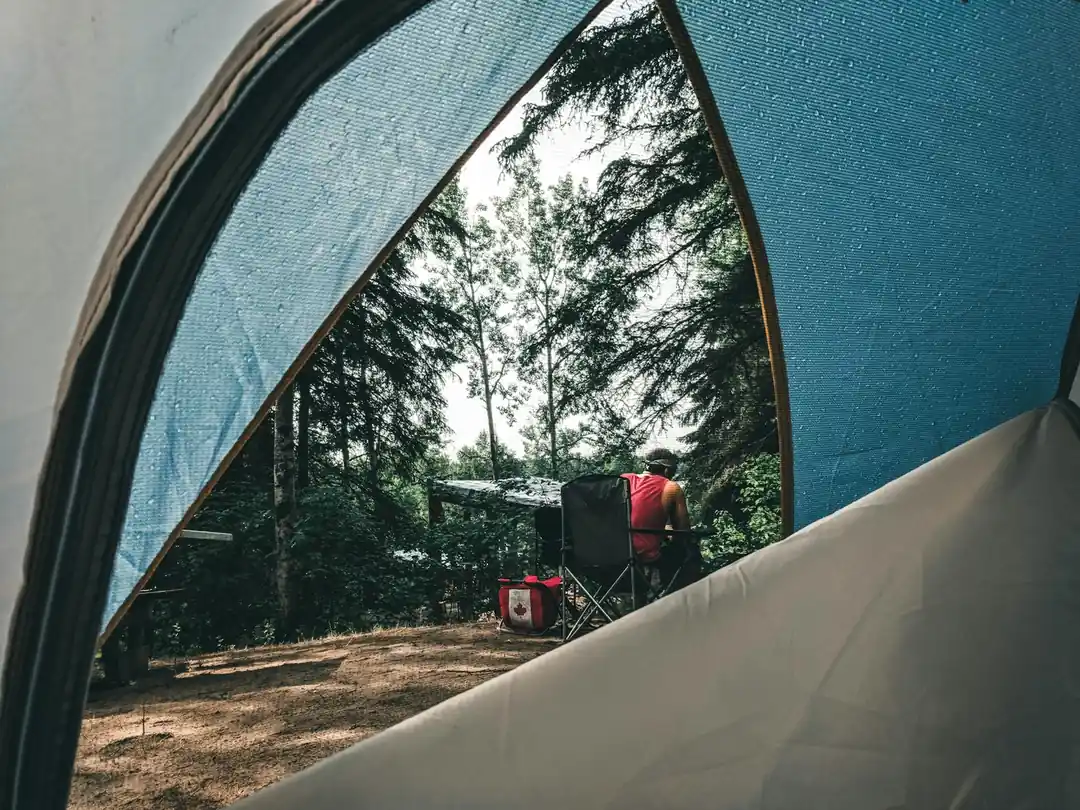
Wildlife Wisdom: The “Bare Campsite” Philosophy
Seeing wildlife is a huge part of the thrill of camping in Canada. An elk grazing peacefully, a bighorn sheep navigating a cliffside, or even the distant possibility of seeing a bear—it’s all part of the magic. But this proximity comes with a profound responsibility. Canadian parks operate on a strict "Bare Campsite" program, and it’s a philosophy you need to adopt the moment you arrive. This means that anything with a scent—food, coolers, dishes, toiletries, even your camp stove—must be stored in a hard-sided vehicle, an RV, or a designated bear-proof locker when you are not actively using it.
This isn't just about bears. Smaller critters like squirrels, chipmunks, and ravens can become habituated to human food, which is unhealthy for them and can lead to them becoming pests. I once saw a raven unzip a backpack and make off with a bag of trail mix in a matter of seconds. It was a powerful lesson. Never leave food unattended, not even for a minute. Don't cook or eat in your tent, and dispose of all garbage immediately in the wildlife-proof bins provided throughout the campgrounds. It’s a simple set of habits that protects the animals, ensuring they remain wild, and protects you from unwanted visitors in the middle of the night.
A Note on Liquid Courage: Alcohol in Campgrounds
After a long day of hiking, cracking open a cold beer or pouring a glass of wine by the fire feels like a well-earned reward. In most Canadian campgrounds, this is perfectly fine—on your own campsite. The key difference from many US campgrounds is that open alcohol is generally prohibited in public areas, including beaches, day-use areas, and walking paths. The rules are similar to having a drink in your own backyard versus walking down the street with it.
Furthermore, be aware of "long weekend" alcohol bans. During major holidays like Victoria Day in May, Canada Day in July, and Labour Day in September, many of the most popular and accessible campgrounds implement a total ban on alcohol to curb excessive partying and maintain a family-friendly atmosphere. These bans are well-publicized on the park websites and are strictly enforced by park wardens who patrol regularly. It’s just one more reason to check the specific park’s regulations before you pack your cooler. Enjoying a drink responsibly is part of the experience for many, but doing so within the rules ensures a peaceful and respectful environment for everyone.
Camping in Canada is an experience that will stay with you long after you’ve returned home. It’s a chance to connect with nature on a truly epic scale. By embracing the regulations not as restrictions, but as a shared commitment to preservation, you become part of the stewardship of these incredible places. So plan ahead, pack smart, and get ready to discover the wild, wonderful heart of the North. I hope your journey is filled with awe and wonder.
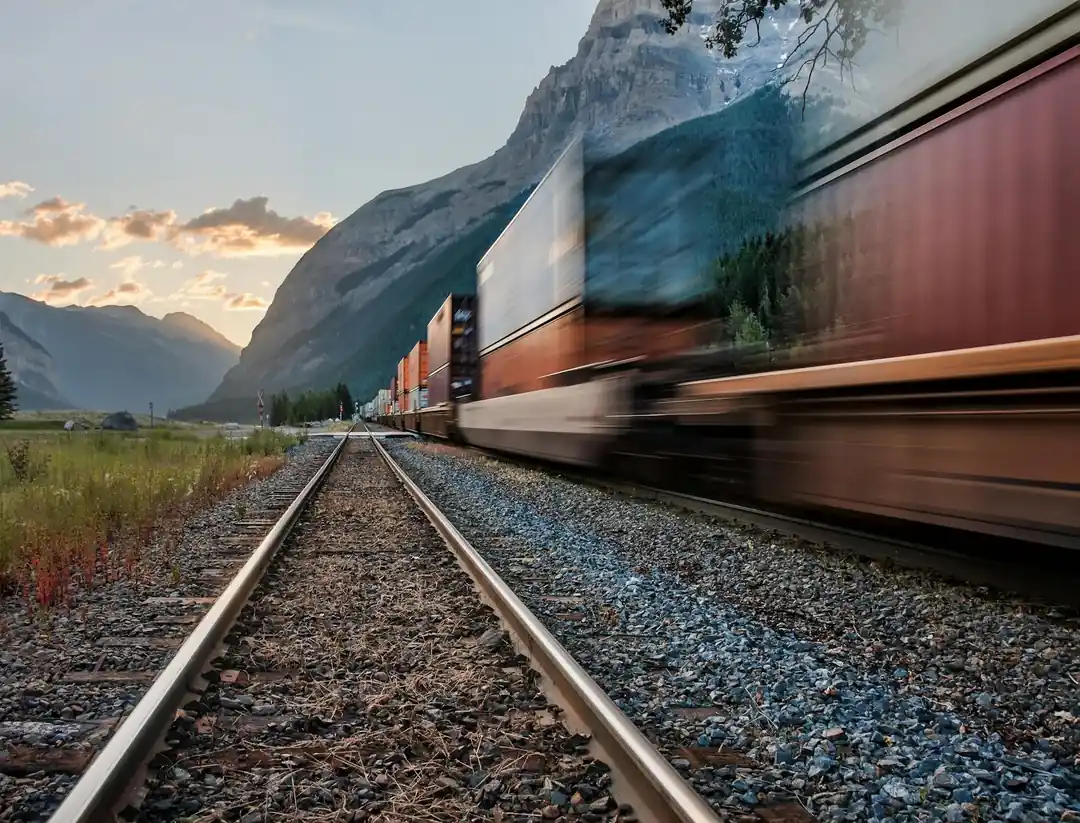
Beyond the Highway: Finding Canada's Soul on a Western Rail Adventure
Unlocking the Great White North: Your American Guide to Budget Canada Travel
Related Posts
TRANSPORTBeyond the Highway: Finding Canada's Soul on a Western Rail Adventure
Forget road trips. I'm talking about rediscovering the romance of travel on Via Rail's most scenic routes through the heart of the Canadian West. It’s an experience that changes you.
TRAVEL TIPSUnlocking the Great White North: Your American Guide to Budget Canada Travel
Dreaming of Canada's majestic landscapes but worried about your wallet? Here’s how to experience the best of our northern neighbor without breaking the bank.

Popular Posts

Rethinking Non-Profit Promotion: Creative Strategies That Actually Drive Event Impact

Beyond Stark White: The Best Interior Paint Colors to Light Up Your New Space

How to Actually Master a New Language on Your Own (No Magic Gene Required)
