Beyond the Basics: Your Ultimate Home Emergency Kit for Winter
When a winter storm is in the forecast, having the right supplies on hand is about more than just survival—it's about comfort and peace of mind. Let's build a winter emergency kit that keeps you truly safe and snug.
There’s a certain magic to the first snowfall of the season, isn't there? The world goes quiet, blanketed in white, and it feels like an invitation to slow down and get cozy. But as someone who has been through a few surprise Nor'easters, I know that the picturesque beauty of winter can quickly turn into a serious challenge if you're not prepared. A few years ago, a sudden ice storm knocked out our power for three days, and it was a serious wake-up call. My "emergency kit" at the time consisted of a half-used pack of candles and a can of old soup. It was miserable.
That experience completely changed my perspective. I realized that being prepared for a winter emergency isn't about panicking; it's an act of profound self-reliance and care for your family. It’s about ensuring your home remains a true sanctuary, a place of warmth and safety, even when the world outside is chaotic and frozen. I spent a lot of time researching the best advice from sources like FEMA and the American Red Cross, and I’ve since built a kit that gives me genuine peace of mind.
So, let's move beyond the flimsy excuse for a kit I used to have. Let's talk about what it really takes to be ready for anything winter throws your way, from a simple power outage to being snowed in for days. This is about creating a system that keeps you not just safe, but comfortable and calm.
The Unskippable Trinity: Water, Food, and Warmth
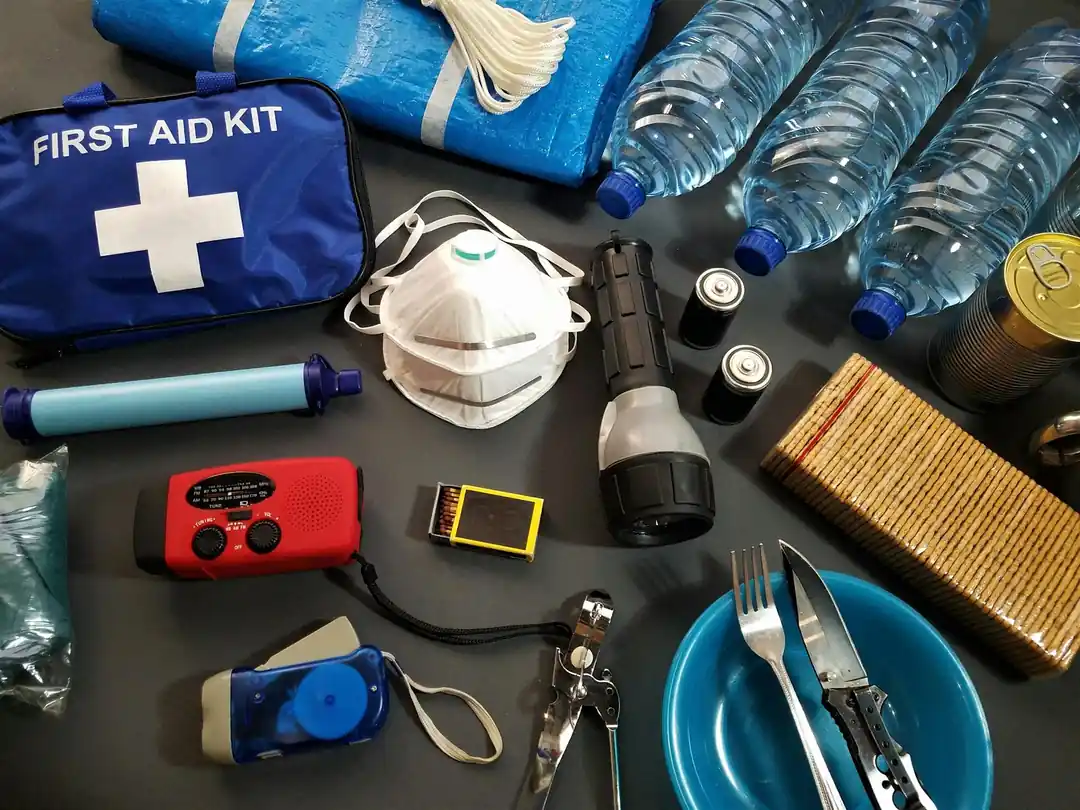
First things first, let's cover the absolute non-negotiables. The experts are unanimous on this: your top priority is securing a supply of water. The standard recommendation is one gallon of water per person, per day. You need this for drinking, for basic hygiene, and for sanitation. In my home, I keep several cases of bottled water in the basement, but I also have a large, sanitized container I can fill with tap water as soon as a storm is announced. It might seem like overkill, but when you lose water pressure, even flushing a toilet becomes a luxury you'll miss dearly.
Next is food. You need at least a three-day supply of non-perishable food that requires no cooking or refrigeration. This is where you can get a little strategic. I stock up on things like protein bars, nuts, dried fruit, and peanut butter. But I also include "comfort" items. A few bars of good chocolate, some instant coffee, and single-serving packets of mac and cheese (that can be made with hot water from a camp stove) can make a huge difference in morale. And please, do not forget a manual can opener. It's the one little tool that, if forgotten, can render half your food supply useless.
Finally, there's warmth. A power outage in winter means the loss of your primary heating source. Layering is your best friend here. Ensure you have plenty of blankets, sleeping bags, and thermal underwear for every person in the household. I've invested in a few high-quality wool blankets, which are fantastic because they insulate even when damp. If you have a wood-burning fireplace or stove, make sure your woodpile is stocked and dry before the first storm hits. If not, never, ever be tempted to use a gas stove or outdoor grill indoors for heat. The risk of carbon monoxide poisoning is incredibly high and can be fatal.
Light, Communication, and First-Aid
Once you have the core essentials covered, it's time to think about the tools that will help you navigate the situation safely. When the power goes out, the darkness can be disorienting and even a little frightening, especially for kids. Avoid candles if you can; the fire risk is just too high. Instead, stock up on battery-powered flashlights and lanterns. I'm a huge fan of LED headlamps because they keep your hands free for carrying things or cooking. Remember to keep a large stash of extra batteries, and make sure you rotate them every year so you're not caught with a dead supply.
Staying informed is also critical. A battery-powered or hand-crank NOAA weather radio is an invaluable tool. It will provide you with updates on the storm, emergency instructions, and information about when to expect power restoration, even if cell service and internet are down. On that note, make sure you have a portable power bank or two fully charged. You'll want to conserve your phone's battery, but having a backup to charge it can be a lifeline for brief communication or for accessing downloaded maps or documents.
A well-stocked first-aid kit is the final piece of this secondary puzzle. You can buy a pre-made one, but I prefer to customize my own. Include all the basics: bandages, antiseptic wipes, pain relievers, and gauze. But also add any personal medications your family needs. It's wise to have at least a week's supply on hand. I also include items like blister treatment (in case of extra walking or work) and a small supply of any necessary over-the-counter medications you regularly use.
The "Glad I Thought of That" Extras
With the major categories handled, we can now focus on the smaller items that can make a surprisingly big difference. If you have an infant, your kit needs to include formula, diapers, bottles, and any specific baby needs. For those with pets, make sure you have a separate supply of their food and any medications they require. They're counting on you, too.
Think about sanitation. If the power and water are out for an extended period, you'll be grateful for a supply of garbage bags, zip ties, and moist towelettes. A small camp toilet with bio-degradable bags can also be a game-changer for comfort and hygiene. Also, keep a small stash of cash, including small bills. In a widespread outage, credit card machines won't work and ATMs will be offline.
Finally, don't forget about your mental well-being. Being stuck indoors for days can be incredibly boring and stressful. Pack a deck of cards, some board games, books, and maybe a puzzle. These activities can help pass the time, reduce anxiety, and create a sense of normalcy. Taking care of your mind is just as important as taking care of your body in an emergency. Building this kit is an ongoing process, but starting today gives you the best gift of all: the confidence to know that you're ready for whatever winter brings.
Your First Film: The 7 Essential Steps for Every Beginner
Ditch the Dinner Date: Creative First Date Ideas That Are Actually Fun

Related Posts
 HOBBIES
The Beginner's Guide to Reading the Night Sky: How to Spot Your First Constellations
A friendly, grounded guide to navigating the night sky, understanding stellar movements, and spotting iconic constellations without expensive gear.
 PETS
PETSSniffle-Free Snuggles: America's Most-Loved Hypoallergenic Dogs
Dreaming of a furry friend but dreading the sneezes? You're not alone. Let's dive into the wonderful world of popular hypoallergenic dog breeds in the US.

Popular Posts

Rethinking Non-Profit Promotion: Creative Strategies That Actually Drive Event Impact

Beyond Stark White: The Best Interior Paint Colors to Light Up Your New Space

How to Actually Master a New Language on Your Own (No Magic Gene Required)
