The Unspoken Rules of the Road: Your Guide to Safe Winter Driving
That first real snowfall is always magical, but it also turns our daily commute into a high-stakes challenge. Let's talk about how to get through it safely.
There’s a certain quiet that falls with the first significant snow. The world seems to hold its breath, blanketed in white. It’s beautiful, no doubt. But as someone who has spent countless hours behind the wheel, I also know that this beauty masks a serious challenge for drivers. That familiar stretch of highway can become an entirely different beast when it’s covered in snow and ice. And honestly, a healthy dose of respect for Mother Nature is the first and most important tool you can have in your winter driving arsenal.
I remember one particularly harrowing drive years ago, caught in an unexpected lake-effect snowstorm outside of Buffalo. The visibility dropped to near zero in minutes, and the road, which had been merely wet just moments before, became a slick, unpredictable surface. It was a white-knuckle experience that taught me a valuable lesson: preparedness isn't just a suggestion; it's a necessity. It’s about more than just having a good car; it’s about having the right mindset and the right equipment before you even turn the key.
This isn't about fear-mongering. It's about empowerment. Knowing how to handle your vehicle in treacherous conditions, and more importantly, knowing how to prepare for them, transforms a potentially dangerous situation into a manageable one. So, let's get into the nitty-gritty of what it really takes to stay safe out there when the temperature drops and the snow starts to fly.
Your Car's Winter Armor: Pre-Season Prep
Before winter truly bares its teeth, your vehicle needs a thorough check-up. Think of it as outfitting your car with a suit of armor to face the battles ahead. The most critical component of this armor? Your tires. They are the only part of your car that actually touches the road, and their condition can be the difference between a safe journey and a slide into a ditch. Check your tire pressure frequently, as it can drop with the temperature, affecting your grip and fuel economy. And take a serious look at your tread. The old penny test works wonders here: if you can see all of Abe Lincoln's head when you stick a penny upside down in the tread, it's time for new tires.
If you live in a region that gets consistent snow and ice, I can't recommend dedicated winter tires enough. I made the switch a few years back, and the difference in traction and stopping power on icy roads was night and day. All-season tires are a compromise, and in the heart of winter, compromise isn't what you're looking for. Winter tires are made from a softer rubber compound that stays flexible in the cold, allowing them to grip the road far more effectively.
Beyond the tires, there are other, less obvious preparations that are just as crucial. Your windshield wipers and fluid are your window to the world. Make sure your wipers are in good shape, not cracked or brittle, and fill your reservoir with a winter-grade fluid that won't freeze. There's nothing more terrifying than being blinded by slush from a passing truck and having your washer fluid turn to ice on your windshield. Also, have your battery tested. Cold weather is a battery's worst enemy, and a weak battery that worked fine in the fall can easily leave you stranded on the first frigid morning.
The Art of Driving on Ice and Snow
Once your car is ready, the focus shifts to you, the driver. Winter driving is a completely different skill set. It requires a gentle touch, heightened awareness, and the patience of a saint. The single most important adjustment you can make is to slow down. Everything takes longer on snowy or icy roads: accelerating, turning, and especially, stopping. Your following distance should be at least three times what it would be in dry conditions. This gives you the time and space you need to react to the unexpected.
Imagine there's an egg under your brake and gas pedals. You want to apply pressure so smoothly that you wouldn't crack it. Sudden acceleration can cause your wheels to spin, and slamming on the brakes can lock them up, sending you into a skid. Even with anti-lock brakes (ABS), a steady, firm pressure is more effective than a panicked stomp. The same goes for steering; gentle, deliberate movements are key. Jerking the wheel can easily upset the car's balance and lead to a loss of control.
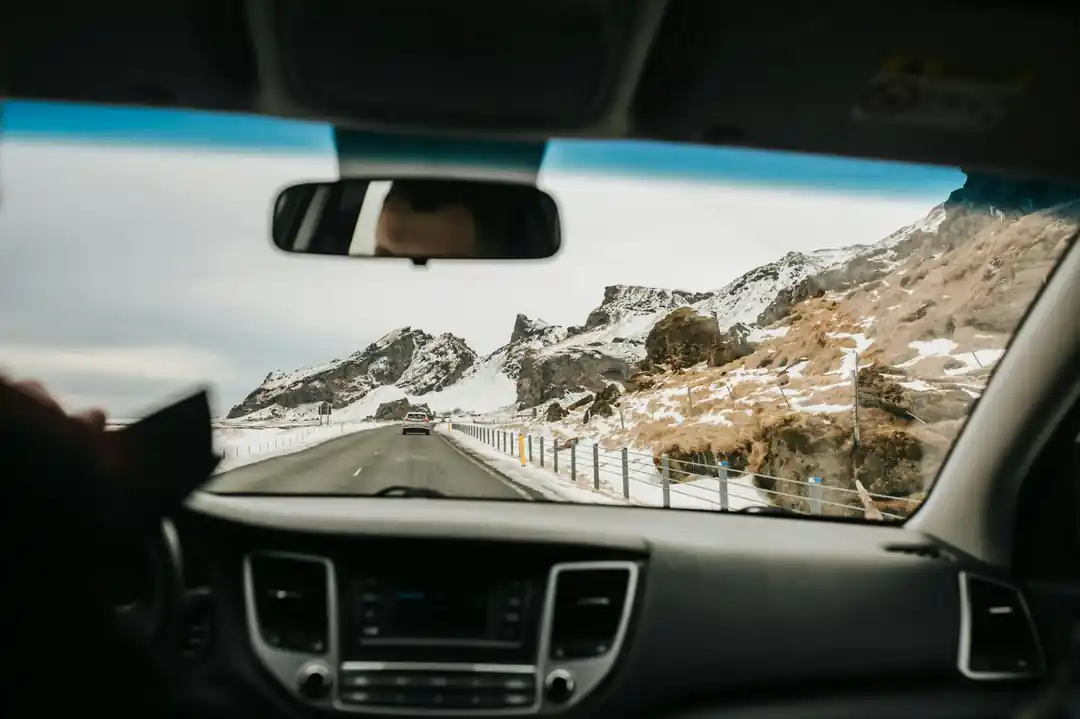
One of the most treacherous winter hazards is black ice. It’s a thin, transparent layer of ice that can make a road look merely wet. Be especially wary on bridges, overpasses, and shaded areas, as these are the first places to freeze and the last to thaw. If you do find yourself in a skid, the natural instinct is to panic and slam on the brakes. Don't. Instead, take your foot off the pedals and steer gently in the direction you want the car to go. Look where you want to be, not at the ditch you're trying to avoid. Your hands will naturally follow your eyes.
The Emergency Kit: Your Roadside Lifeline
No matter how well you prepare or how carefully you drive, sometimes things just go wrong. A sudden whiteout, a mechanical failure, or another driver's mistake can leave you stranded. In these moments, a well-stocked emergency kit can be a true lifesaver. It doesn't have to be elaborate, but it should contain the essentials to keep you safe, warm, and visible until help arrives.
Start with the basics for personal warmth and safety. A thick blanket or a sleeping bag is a must. High-energy, non-perishable snacks like granola bars and nuts, along with a bottle of water, can make a long wait much more bearable. A powerful flashlight with extra batteries, a first-aid kit, and a portable phone charger are also non-negotiable. I also keep a set of hand warmers in my glove box; they're inexpensive and can make a huge difference if you're stuck for a while.
Your kit should also include items to help you get unstuck or signal for help. A small shovel, a bag of sand or kitty litter for traction, and an ice scraper are essential. Jumper cables are another must-have. To make yourself visible to rescuers and other drivers, include reflective triangles or flares. I also carry a bright, reflective vest. If you have to get out of your car on a busy road in low visibility, it could save your life.
If you do get stranded, the cardinal rule is to stay with your vehicle. It's your best source of shelter. If you need to run the engine for heat, do so sparingly to conserve fuel, and always make sure your exhaust pipe is clear of snow to prevent deadly carbon monoxide from entering the cabin. Tie a brightly colored cloth to your antenna or window to signal for help. A little preparation goes a long way when you're waiting for the flashing lights of a tow truck to appear over the horizon.
Driving in winter doesn't have to be a terrifying ordeal. It's a skill, and like any skill, it can be learned and honed. By respecting the conditions, preparing your vehicle, and adjusting your driving style, you can navigate even the most challenging winter roads with confidence. So take that extra time, give yourself that extra space, and arrive safely. The winter wonderland is much more beautiful when you're not seeing it from the side of the road.

Your High School Game Plan for College Applications
Why Your Startup Needs a Corporate Credit Card—It's Not Just About Spending

Related Posts
 HOBBIES
The Beginner's Guide to Reading the Night Sky: How to Spot Your First Constellations
A friendly, grounded guide to navigating the night sky, understanding stellar movements, and spotting iconic constellations without expensive gear.
 PETS
PETSSniffle-Free Snuggles: America's Most-Loved Hypoallergenic Dogs
Dreaming of a furry friend but dreading the sneezes? You're not alone. Let's dive into the wonderful world of popular hypoallergenic dog breeds in the US.

Popular Posts

Rethinking Non-Profit Promotion: Creative Strategies That Actually Drive Event Impact

Beyond Stark White: The Best Interior Paint Colors to Light Up Your New Space

How to Actually Master a New Language on Your Own (No Magic Gene Required)
