Planning a trip to see some of the most iconic skyscrapers in the United States? Leave the car behind and embrace the convenience of public transportation. This guide will show you how to easily reach famous tall buildings in major cities using their public transit systems.
There's something truly awe-inspiring about standing at the base of a towering skyscraper, craning your neck to see its peak disappear into the clouds. These modern marvels of engineering are often at the top of any traveler's must-see list. But getting to them, especially in a bustling city, can seem daunting. The good news? The same urban density that gives rise to these giants also supports robust public transportation systems that can get you right to their doorstep, often faster and cheaper than a taxi or rideshare.
Forget the stress of navigating unfamiliar streets and the exorbitant cost of parking. Embracing the local subway, bus, or train system is not just practical; it's an integral part of the urban experience. It’s a chance to see the city from a different perspective, to travel alongside locals, and to feel the rhythm of the place you're visiting. In this guide, we'll break down how to get to some of the most famous skyscrapers in the United States using public transportation.
New York City: The Empire State Building
No list of iconic skyscrapers would be complete without the Empire State Building. This Art Deco masterpiece has been a symbol of New York City for nearly a century. Located in the heart of Midtown Manhattan, it's incredibly well-connected to the city's extensive subway and bus network.
By Subway: The closest subway station is 34th Street–Herald Square, which is served by the B, D, F, M, N, Q, R, and W lines. From the station, it's just a short walk east on 34th Street. You can also take the 1, 2, or 3 trains to 34th Street–Penn Station, which is also a few blocks away.
By Bus: Numerous bus routes run along the major avenues and cross-streets near the Empire State Building. The M34 and M34A select bus services run crosstown on 34th Street, offering a direct route. Additionally, several other bus lines, including the M1, M2, M3, M4, M5, and M55, have stops within a few blocks.
Chicago: Willis Tower (Sears Tower)
Stretching 1,450 feet into the Chicago sky, the Willis Tower (still affectionately known as the Sears Tower to many) offers breathtaking 360-degree views of the city and Lake Michigan. Its location in the West Loop makes it easily accessible via Chicago's 'L' train system and Metra commuter rail.
By 'L' Train: The Quincy station on the Brown, Orange, Pink, and Purple Lines is the closest stop, just a one-block walk from the tower. If you're on the Blue Line, you can get off at the Jackson or LaSalle stations and take a short walk.
By Metra: If you're coming in from the suburbs, all Metra lines terminate at either Union Station or Ogilvie Transportation Center. Both are just a few blocks from the Willis Tower, making it a convenient option for a day trip into the city.
Seattle: The Space Needle
While not a traditional skyscraper, the Space Needle is an undeniable icon of the Seattle skyline. Built for the 1962 World's Fair, its futuristic design and observation deck offer stunning views of the city, Puget Sound, and the surrounding mountains.
By Monorail: The most unique and direct way to reach the Space Needle is by the Seattle Center Monorail. This elevated train runs from Westlake Center in downtown Seattle directly to the base of the Space Needle. The ride itself is a fun experience, offering a glimpse of the city from above before you even get to the main event.
By Bus: Several King County Metro bus routes, including the 3, 4, and 5, have stops near the Seattle Center, where the Space Needle is located. This is a great option if you're coming from a neighborhood not directly served by the monorail.
Embracing public transportation when visiting these architectural wonders not only simplifies your journey but also enriches your travel experience. It's a chance to live like a local, save some money, and reduce your carbon footprint. So next time you're planning a trip to a major city, leave the car behind and hop on a train or bus. You might be surprised at how much more you see.

From Tarmac to Skyline: The Ultimate Guide to Airport-to-Skyscraper Travel
Sky-High Decisions: The Best Way to Book Your Skyscraper Observation Deck Tickets
Related Posts
 TRANSPORT
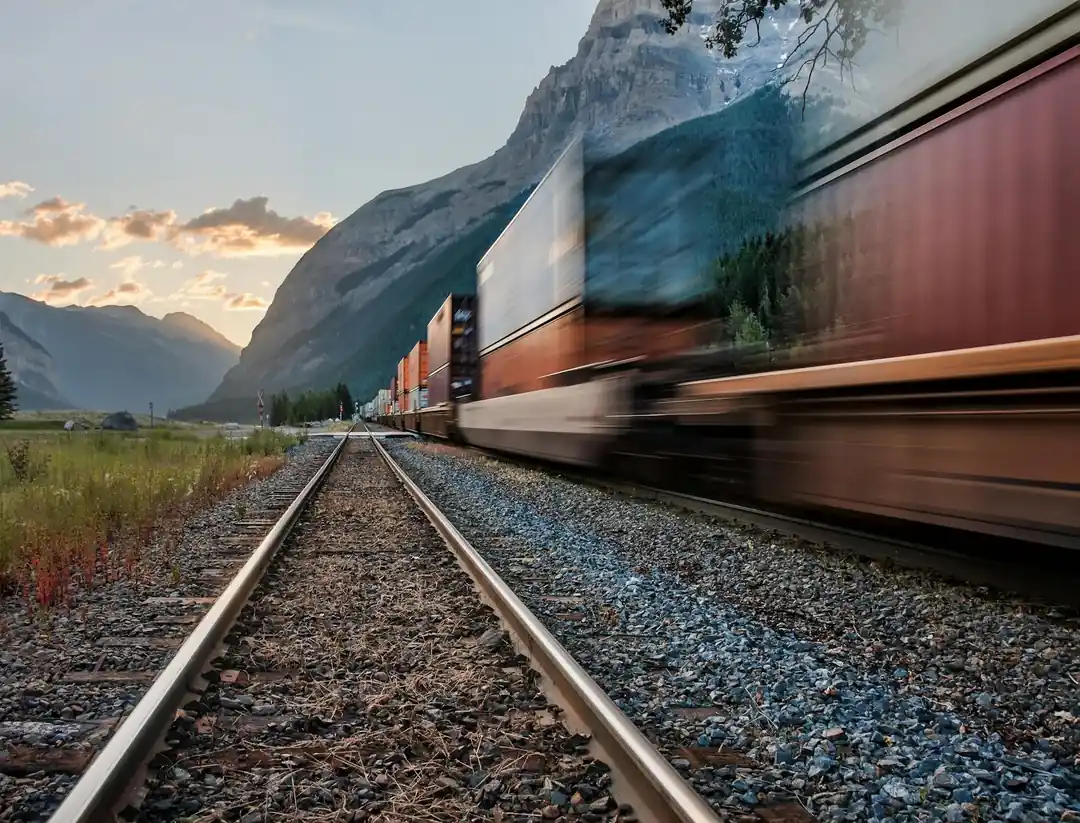
Beyond the Highway: Finding Canada's Soul on a Western Rail Adventure
Forget road trips. I'm talking about rediscovering the romance of travel on Via Rail's most scenic routes through the heart of the Canadian West. It’s an experience that changes you.
 TRAVEL TIPS
The Unwritten Rules of the North: What to Know Before Camping in Canada
Heading to the Great White North for a camping trip? It's an amazing idea. But from campfire etiquette to wildlife wisdom, here’s what you need to know before you go.

Popular Posts

Rethinking Non-Profit Promotion: Creative Strategies That Actually Drive Event Impact

How to Actually Master a New Language on Your Own (No Magic Gene Required)

The Simple Pre-Workout Fueling Strategy That Saved My Long Runs