The Humanitarian's Dilemma: A Guide to Responsible Travel in Conflict Zones
You see the news and you want to help. It's a noble instinct. But heading into a conflict zone is more complicated than just buying a ticket. Let's talk about how to do it right.
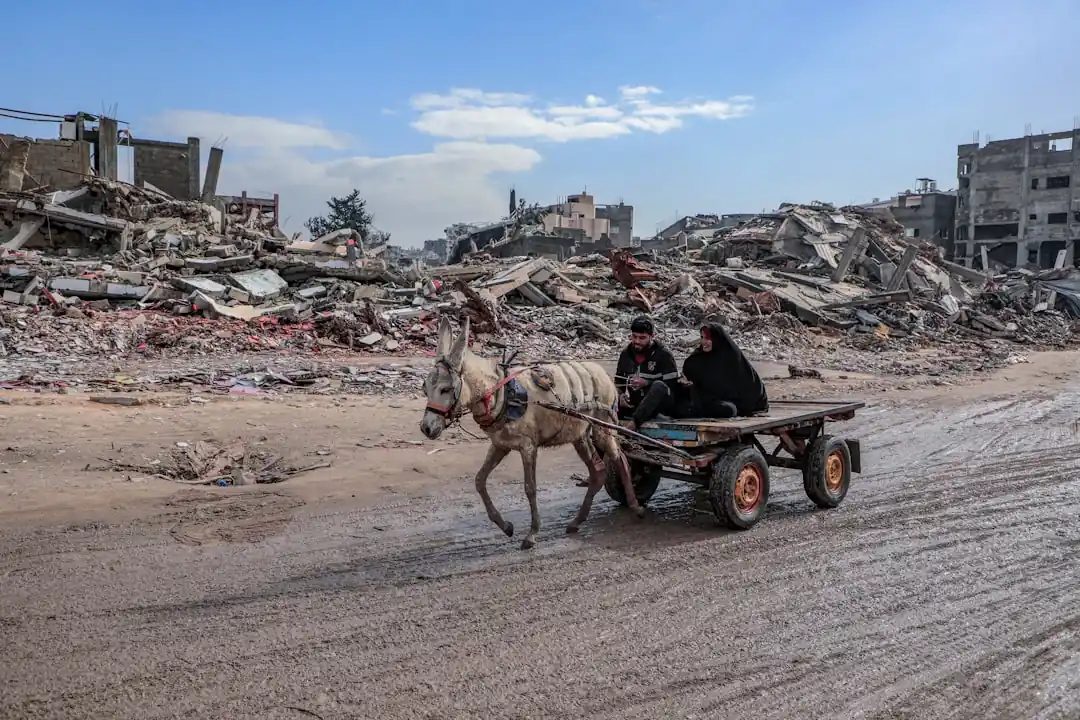
It’s a feeling that hits you right in the chest, isn't it? You’re scrolling through your phone or watching the nightly news, and the images are devastating. Buildings turned to rubble, families displaced, a humanitarian crisis unfolding thousands of miles away. The immediate, visceral reaction for so many of us is a powerful one: I have to do something. For some, that "something" feels like it has to be physical. It means going there, getting your hands dirty, and offering help in person.
I get it. I really do. That impulse comes from the best part of our shared humanity. It’s a rejection of helplessness and a desire to connect with and ease the suffering of others. For years, I thought that the purest form of help was to just show up. But through a lot of reading and listening to the stories of seasoned aid workers, I’ve come to understand a more complicated, and frankly, more important truth: traveling to a conflict zone to "help" is one of the most ethically complex decisions a person can make.
Good intentions are the fuel, but they are not the vehicle. Without the right training, support, and self-awareness, a well-meaning individual can accidentally become a burden on an already shattered system. This isn't meant to discourage your compassion. It's an invitation to channel it effectively, responsibly, and with the dignity of the people you want to help placed firmly at the center of your actions.
The Uncomfortable Truth About Untrained Help
The concept of a "disaster within a disaster" is something that emergency responders know all too well. When a crisis hits, the official, trained teams on the ground are working against the clock in a high-stakes, coordinated effort. Then, an influx of spontaneous, unaffiliated volunteers arrives. Their hearts are in the right place, but they often lack the skills, self-sufficiency, and understanding of the complex operational security needed to function in such an environment.
I read a report recently from a veteran of several international relief efforts who said that one of their biggest challenges wasn't a lack of willing hands, but a lack of resources to manage the volunteers. These individuals, often called "vessel volunteers" because they arrive with little more than their own two hands, need to be fed, housed, and kept safe. This diverts critical resources—food, water, and personnel time—away from the affected local population. In the harshest terms, you can become another mouth to feed.
Furthermore, and this is a tough pill to swallow, there's the risk of what's sometimes called the "white savior" complex. It’s the often unconscious belief that your presence as an outsider is inherently more valuable than the efforts of the local community. The reality is that local people are always the first responders. They are the ones pulling their neighbors from the rubble. They are the doctors and nurses working in overwhelmed clinics. The most effective humanitarian work doesn't replace these efforts; it supports and empowers them. Arriving without a specific, requested skill set can inadvertently sideline the very people who are the key to their community's recovery.
A Reality Check: Are You Truly Prepared?
Before even thinking about booking a flight, the most responsible first step is a radical act of self-assessment. It requires putting ego aside and asking some brutally honest questions. This isn't about questioning your motives, but about respecting the gravity of the situation.
First, what are your skills? And I mean hard, transferable skills that are in desperately short supply. Are you a trauma surgeon? A structural engineer who can assess damaged buildings? A logistician who can manage a supply chain in a chaotic environment? A water and sanitation expert? General skills like "I'm a hard worker" or "I'm good with people," while valuable in daily life, are not what's needed in the immediate aftermath of a conflict.
Second, what is your physical and mental fortitude? Conflict zones are not just physically dangerous; they are deeply traumatic environments. You will be exposed to human suffering on a scale that is difficult to comprehend. Do you have the training and psychological resilience to handle that without becoming a casualty yourself? Reputable organizations provide their staff with extensive training on stress management and psychological first aid, both for themselves and for others. They also provide support after the deployment ends. Going it alone leaves you completely vulnerable.
Finally, are you self-sufficient? Can you function for weeks without reliable power, clean water, or easy access to food? Can you speak the local language? Do you understand the cultural norms, the political situation, and the specific security risks? Arriving without this knowledge not only puts you in danger but can also create dangerous misunderstandings with the local community or armed actors.
The Right Way to Go: Partnering with Professionals
If, after that honest assessment, you still feel you have a specific, high-demand skill to offer, the path forward is not to go alone. The single most responsible way to travel to a conflict zone is as a fully vetted, trained, and insured member of a reputable, established humanitarian organization.
Groups like Doctors Without Borders (MSF), the International Committee of the Red Cross (ICRC), and many others have decades of experience. They have security protocols, logistics networks, and deep-rooted connections with local communities. They understand the principles of humanitarian action: humanity, impartiality, neutrality, and independence. These principles aren't just jargon; they are the ethical framework that allows aid workers to safely access populations on all sides of a conflict and deliver help based on need alone.
Vetting an organization is critical. Look for transparency in their finances and operations. Do they have a long history of working in that specific region? Do they hire and work directly with local staff? Do they have a clear code of conduct and robust safety and security measures? A legitimate organization will have a rigorous application and training process. They are not looking for tourists; they are recruiting professionals to perform a specific, difficult job.
The Most Powerful Tool: Effective Help from Home
Here is the most important message I can possibly share: for the vast majority of people who feel that pull to help, the most powerful and responsible action you can take is from right where you are. It may not feel as direct or as heroic, but its impact can be exponentially greater.
Financial support is, without a doubt, the most effective form of help. Donating the money you would have spent on a plane ticket and gear to a vetted organization does incredible things. It allows them to buy supplies locally, which supports the shattered economy. It pays the salaries of local doctors, drivers, and translators, empowering the community's own recovery. It gives them the flexibility to respond to the most urgent needs as they change day by day. Your $2,000 could be a plane ticket for one person, or it could be a month's salary for a local nurse who will treat hundreds of patients.
Beyond donations, you can use your voice. Educate yourself and others about the context of the conflict. Advocate for political solutions and for your government to support humanitarian efforts and uphold international law. Support journalism from the region, which is a critical form of aid in itself. Elevating the voices of those directly affected is a powerful act of solidarity.
The desire to help is a beautiful, essential part of who we are. The true test of that compassion is not how close we can get to the crisis, but how thoughtfully we can contribute to the solution. It's about channeling that fire in your heart into a light that empowers, sustains, and truly heals, ensuring that our help is always a solution, and never a problem.
Why We Must Safeguard the Stories Etched in Stone
Gaza's Ancient History: A Crossroads of Empires
Related Posts
 TRANSPORT
Beyond the Highway: Finding Canada's Soul on a Western Rail Adventure
Forget road trips. I'm talking about rediscovering the romance of travel on Via Rail's most scenic routes through the heart of the Canadian West. It’s an experience that changes you.
 TRAVEL TIPS
The Unwritten Rules of the North: What to Know Before Camping in Canada
Heading to the Great White North for a camping trip? It's an amazing idea. But from campfire etiquette to wildlife wisdom, here’s what you need to know before you go.

Popular Posts

Rethinking Non-Profit Promotion: Creative Strategies That Actually Drive Event Impact

Beyond Stark White: The Best Interior Paint Colors to Light Up Your New Space

How to Actually Master a New Language on Your Own (No Magic Gene Required)