Forget expensive toys. I'm sharing simple, powerful ways to turn everyday household items into incredible learning activities for your toddler.
Let’s be honest. Life with a toddler can feel like a beautiful, chaotic whirlwind. One minute you’re watching them sleep, marveling at how much they’ve grown, and the next, you’re desperately trying to figure out how to fill another long afternoon. The pressure, especially here in the US, to be the "perfect" parent—the one who provides enriching, educational, and screen-free entertainment 24/7—is immense. I can’t tell you how many times I’ve found myself scrolling through websites late at night, adding expensive "educational" toys to my cart, convinced that this next purchase would be the magic key to unlocking my child's genius.
But after a while, I started to notice something. The fancy, light-up, talking gadget would hold my toddler's attention for about five minutes, but the empty cardboard box it came in? That was a source of fascination for days. It became a car, a house, a secret fort. This realization was a game-changer. I started to see that the most powerful, engaging, and truly educational tools weren't the ones I was buying; they were the ones I already had, hiding in plain sight in my kitchen cabinets, my recycling bin, and my laundry room.
It turns out, you don’t need a perfectly curated playroom that looks like a Pinterest board to foster your toddler's development. You just need to shift your perspective. By embracing the potential of everyday objects, you can create meaningful, hands-on learning experiences that not only build crucial skills but also save you money and reduce clutter. It’s about seeing your home through your toddler’s eyes: a world brimming with texture, possibility, and endless opportunities for discovery.
The Power of Sensory Play (and Why It’s Worth the Mess)
If there's one thing toddlers are masters at, it's making a mess. But what looks like chaos to us is actually a vital part of their learning process. Sensory play—any activity that stimulates the senses—is the foundation of early childhood development. When your little one is squishing playdough, splashing in water, or running their hands through a bin of dry rice, they are building and strengthening neural pathways in their brain at an incredible rate. These experiences help them understand complex concepts like cause and effect, problem-solving, and even early math skills.
One of the easiest ways to get started is with a sensory bin. It sounds fancy, but it’s not. Just grab a shallow plastic tub, a baking dish, or even a cardboard box and fill it with a taste-safe base. Think dry oatmeal, cornmeal, or even cooked (and cooled) spaghetti. Then, add some tools from your kitchen: measuring cups, spoons, funnels, and a few small, safe toys. The simple act of scooping, pouring, and transferring is a powerhouse for developing fine motor skills and hand-eye coordination.
I know, the thought of rice all over your floor can be daunting. I’ve been there. My advice? Lay down an old sheet or a cheap plastic tablecloth underneath your play area. Or, take the activity outside on a nice day. For a completely mess-free option, try a "sticky wall." Just tape a large piece of clear contact paper to a wall or window, sticky side out, and provide your toddler with lightweight items like pom-poms, feathers, or scraps of paper to stick on and peel off. It’s a fantastic way to explore textures and develop that all-important pincer grasp without the cleanup.
Building Tiny Muscles: Fine Motor Fun with Household Items
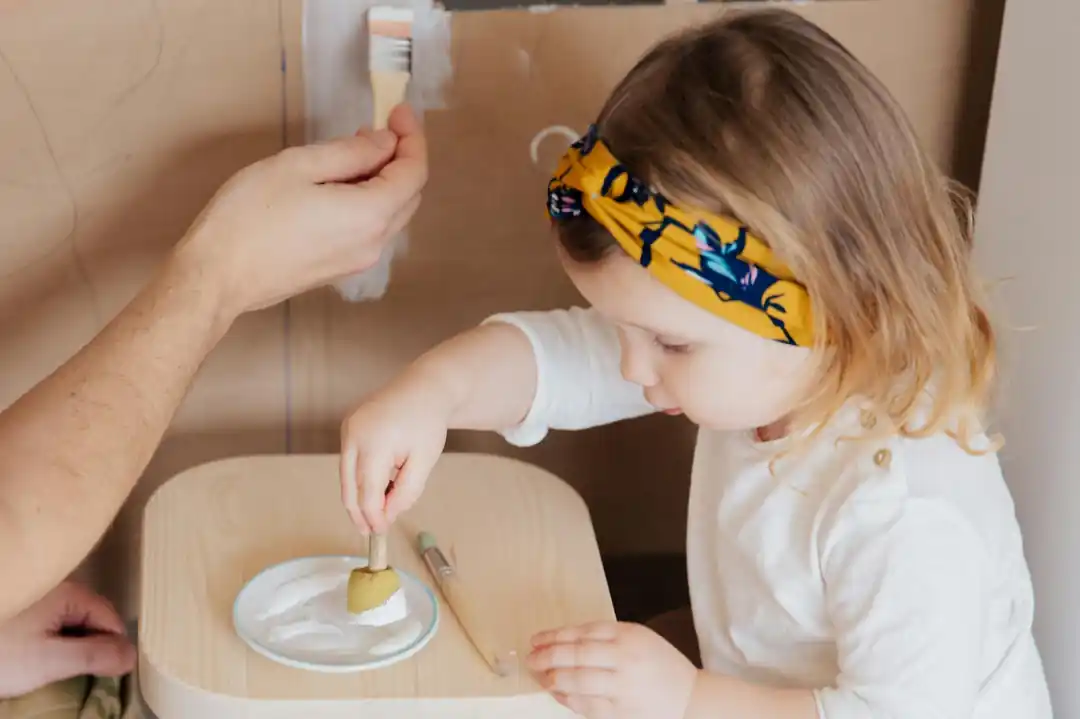
Those tiny movements of the hands and fingers, known as fine motor skills, are what will eventually allow your child to write their name, tie their shoes, and button their own coat. And you don’t need special toys to build them. Your home is already a gym for their little hands.
Have an old spice container and some toothpicks? You’ve got a great posting activity. A colander and some pipe cleaners? That’s a threading station. One of our go-to activities is "rescuing" small toys from a block of ice. I just freeze some of my toddler's plastic animals in a container of water, and then give him a small cup of warm water and a dropper or a squeeze bottle to melt the ice and free his friends. It’s a science lesson and a fine motor workout all in one.
Don't underestimate the power of simple kitchen tasks, either. Letting your two-year-old help wash vegetables, tear lettuce for a salad, or stir batter (with supervision, of course) are all incredible learning opportunities. They’re not just "helping"; they’re developing coordination, learning to follow directions, and gaining a sense of competence and belonging within the family. It’s these real-world tasks that often provide the richest and most memorable learning experiences.
Get the Wiggles Out: Gross Motor Activities for Small Spaces
Toddlers have a physical need to move, and being stuck indoors can be tough for everyone. But you don’t need a huge backyard to develop gross motor skills—the large movements that involve the whole body. With a little creativity, your living room can become an adventure course.
Use pillows to create a mountain to climb over, a line of masking tape on the floor to practice balancing, or a tunnel of chairs and blankets to crawl through. Have a "dance party" to get their heart rate up and practice different movements. Play "animal walks," where you pretend to be different animals—stomp like an elephant, hop like a frog, crawl like a bear.
These activities aren't just about burning off energy. They're crucial for developing balance, coordination, and spatial awareness. They help your child understand what their body can do and build confidence in their physical abilities. And honestly, they’re a lot of fun for parents, too. Giving yourself permission to be silly and crawl around on the floor with your child is a powerful way to connect and create lasting memories.
It’s so easy to get caught up in the pressure to do more, buy more, and be more. But when it comes to our toddlers, sometimes less is truly more. The next time you feel that pull to add another toy to your online cart, take a deep breath and look around you. The tools for a rich, engaging, and truly educational day are likely already within your reach. It’s in the rhythm of your daily life, the texture of the world around you, and the simple, profound joy of discovering it all together.
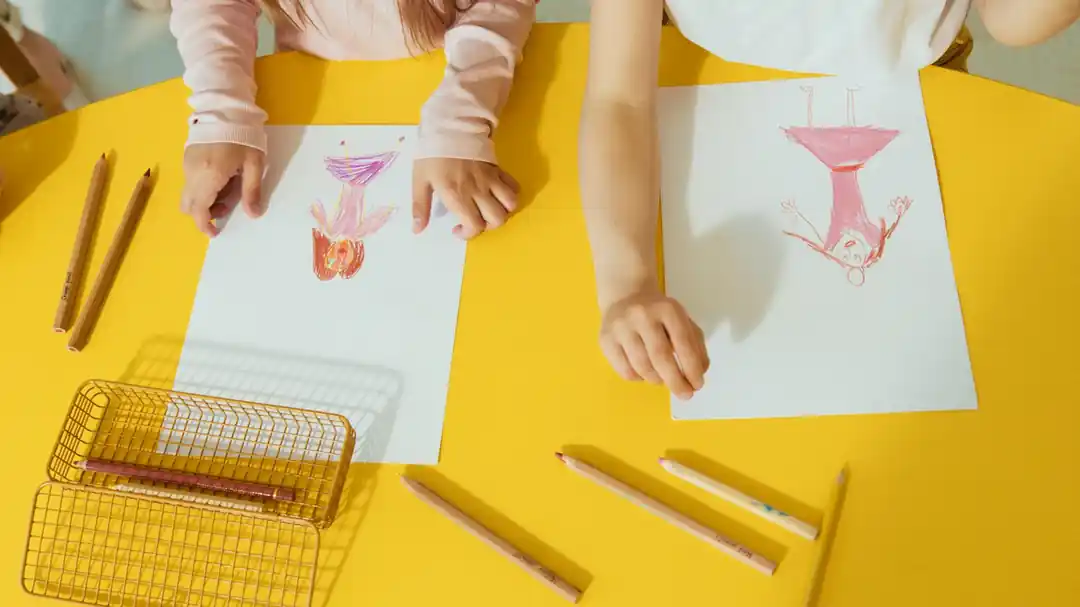
Beyond the Screen: 8 Hobbies That Supercharge Your Child's Development
The Daycare Dilemma: A Parent's Guide to Finding the Perfect Fit

Related Posts
 HOBBIES
The Beginner's Guide to Reading the Night Sky: How to Spot Your First Constellations
A friendly, grounded guide to navigating the night sky, understanding stellar movements, and spotting iconic constellations without expensive gear.
 PETS
PETSSniffle-Free Snuggles: America's Most-Loved Hypoallergenic Dogs
Dreaming of a furry friend but dreading the sneezes? You're not alone. Let's dive into the wonderful world of popular hypoallergenic dog breeds in the US.

Popular Posts

Rethinking Non-Profit Promotion: Creative Strategies That Actually Drive Event Impact

Beyond Stark White: The Best Interior Paint Colors to Light Up Your New Space

How to Actually Master a New Language on Your Own (No Magic Gene Required)
