In places like Gaza, cultural heritage is more than just history; it's a living testament to identity, resilience, and the enduring spirit of a people. Its preservation is a crucial thread in the fabric of our shared humanity.
When we see images of conflict on the news, our first thoughts rightly go to the human cost—the lives lost, the families displaced, the immediate suffering. It’s a gut-wrenching reality that demands our attention and compassion. But in the shadow of this immediate crisis, another, quieter tragedy is unfolding: the destruction of cultural heritage. In places like Gaza, a land steeped in over 5,000 years of history, this loss is not just about ancient buildings or artifacts; it's about the erasure of identity, memory, and the very soul of a people.
Honestly, it’s a topic that can feel distant or abstract when compared to the urgent need for humanitarian aid. I get that. For a long time, I viewed historical sites as static relics, interesting to look at but disconnected from the messy reality of the present. But the more I’ve come to understand, the more I see that heritage is a living, breathing part of who we are. It’s the anchor that connects us to our past, gives context to our present, and provides a foundation for our future. When that anchor is deliberately destroyed, it’s an act of violence that reverberates for generations.
More Than Bricks and Mortar: The Soul of a Place
So, what exactly are we talking about when we say "cultural heritage"? It’s not just grand monuments. It’s the ancient ports that connected civilizations, the centuries-old mosques and churches that have been centers of community life, the bustling marketplaces, and even the intangible traditions passed down through families. In Gaza, this heritage is astonishingly rich, a tapestry woven by Egyptians, Romans, Byzantines, Ottomans, and countless others who left their mark on this historic crossroads between continents.
These sites are the physical embodiment of a collective memory. The Great Omari Mosque, for example, is believed to stand on the site of an ancient temple and was later a Byzantine church before becoming one of the most significant mosques in the region. It tells a story of shifting empires and evolving faiths, all within its walls. Similarly, the Church of Saint Porphyrius, one of the oldest active churches in the world, has been a sanctuary for Gaza’s Christian community for over 1,600 years. These aren't just buildings; they are the keepers of a people's story, their resilience, and their enduring spirit.
The destruction of these places is a profound trauma. It’s a deliberate attempt to sever a people from their roots, to tell them that their history doesn’t matter. When you erase the physical evidence of a culture's existence, you attack their very identity. This loss creates a void that can be more difficult to rebuild than any structure. It’s a deep wound to the collective psyche, making the already arduous task of healing and recovery even harder.
A Universal Loss: Why It Matters to All of Us
It’s easy to see the destruction of heritage in a faraway place as a localized tragedy. But in reality, it’s a loss for all of humanity. Sites like the ancient port of Anthedon, a once-thriving hub of trade and culture, tell a universal story of human connection and ingenuity. The Roman necropolis discovered just a few years ago, with its beautifully decorated sarcophagi, offers a window into the shared history of the Mediterranean world. When these sites are damaged or destroyed, we all lose a piece of our collective human story.
The targeting of cultural sites in conflict is, tragically, nothing new. It is a weapon of war, used to demoralize and dehumanize. International bodies like UNESCO have been working for decades to protect these irreplaceable sites, recognizing that an attack on the heritage of one nation is an attack on the heritage of all. The recent addition of the Monastery of Saint Hilarion to the List of World Heritage in Danger is a stark reminder of what’s at stake.
Preserving cultural heritage is also an act of hope. It’s a declaration that history cannot be erased and that the stories of the past will continue to inspire future generations. In the aftermath of conflict, the reconstruction of heritage can be a powerful tool for reconciliation and healing. It can help communities reclaim their identity, rebuild their sense of place, and create a foundation for a more peaceful future. It’s a way of saying that while buildings may fall, the spirit of a people endures.
The Enduring Echoes of History
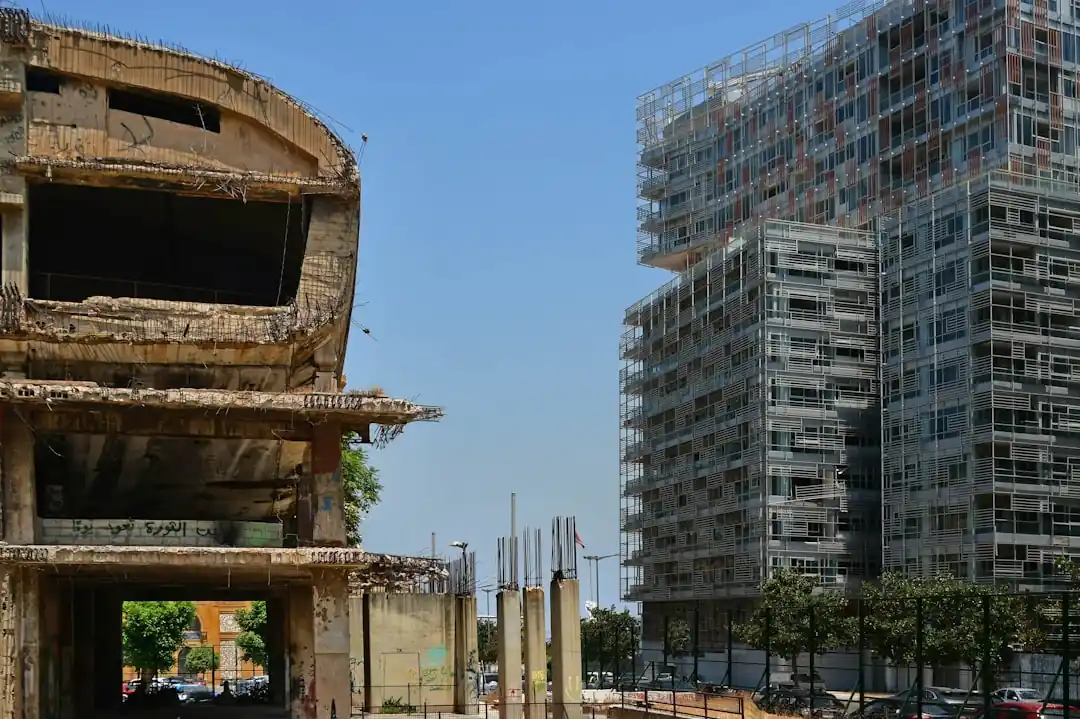
The situation in Gaza is a heart-wrenching reminder of the fragility of our shared heritage. The scale of the destruction is immense, with hundreds of sites of cultural and historical significance damaged or destroyed. The loss of ancient mosques, historic churches, Roman ruins, and Ottoman-era buildings is not just an architectural loss; it’s an erasure of the rich, diverse history of this ancient land.
Ultimately, the fight to preserve cultural heritage is about more than just saving old stones. It’s about defending the idea that every culture has a story worth telling and that these stories are a vital part of our shared human experience. It’s about ensuring that future generations can walk through the same streets, touch the same walls, and feel the same connection to the past that we do. In a world so often fractured by conflict, these enduring echoes of our shared history are more important than ever. They remind us of where we’ve been, and they light the way to where we might go, together.

Crossing Borders: Your Guide to Navigating International Travel Like a Pro
The Humanitarian's Dilemma: A Guide to Responsible Travel in Conflict Zones
Related Posts
 TRANSPORT
Beyond the Highway: Finding Canada's Soul on a Western Rail Adventure
Forget road trips. I'm talking about rediscovering the romance of travel on Via Rail's most scenic routes through the heart of the Canadian West. It’s an experience that changes you.
 TRAVEL TIPS
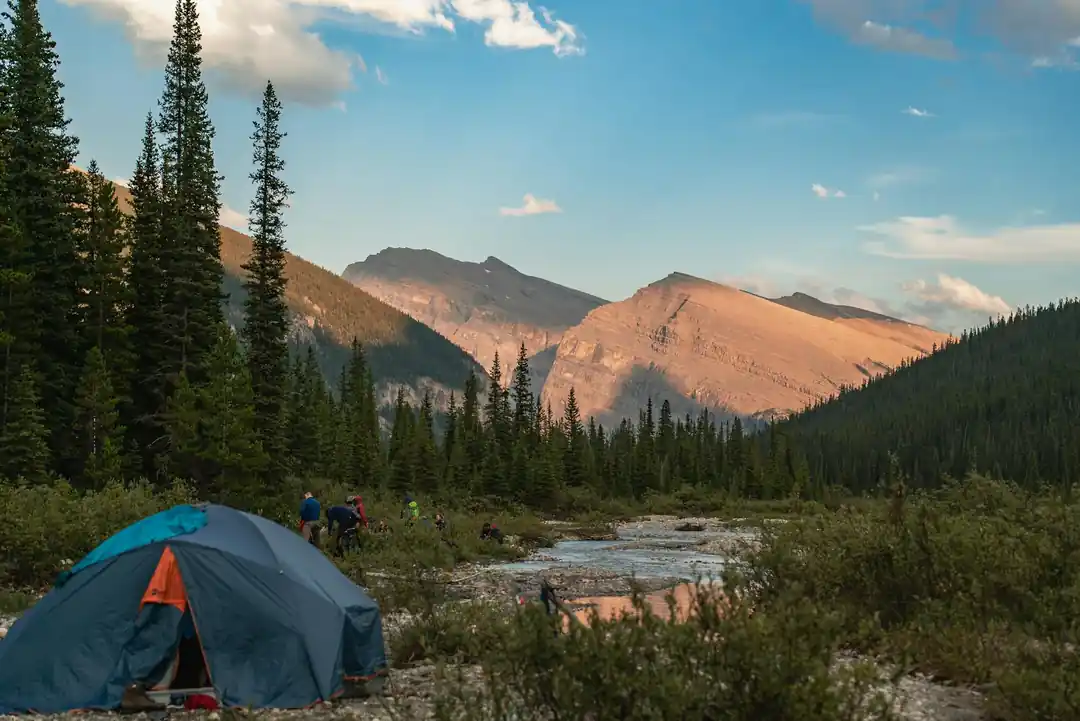
The Unwritten Rules of the North: What to Know Before Camping in Canada
Heading to the Great White North for a camping trip? It's an amazing idea. But from campfire etiquette to wildlife wisdom, here’s what you need to know before you go.

Popular Posts

Beyond Stark White: The Best Interior Paint Colors to Light Up Your New Space

How to Actually Master a New Language on Your Own (No Magic Gene Required)

The Simple Pre-Workout Fueling Strategy That Saved My Long Runs