The Great Shine Showdown: Electric Polishers vs. Traditional Cloths
Tired of tarnished treasures? We’re diving deep into the debate between electric silver polishers and classic cloths to see which method truly brings back the sparkle.
There’s a certain kind of magic to silver, isn’t there? That cool, bright luster that can make a simple candlestick feel like a family heirloom or a plain necklace look like a piece of art. But as anyone who owns more than one piece of silver knows, that magic comes with a price: tarnish. It arrives like an uninvited guest, slowly creeping over your favorite pieces and cloaking them in a dull, dark film. For years, the go-to solution has been a simple polishing cloth and a bit of elbow grease.
But we live in an age of technological convenience. We have robot vacuums, smart refrigerators, and now, electric silver polishers. This brings us to a very modern-day dilemma. Do we stick with the tried-and-true traditional method, the one that connects us physically to the act of restoration? Or do we embrace the new-school approach, which promises speed and efficiency?
Honestly, I’ve stood in that exact spot, holding a tarnished silver teapot from my grandmother, wondering if a machine could possibly treat it with the same care as my own two hands. The answer, I’ve found, isn’t about which one is definitively “better,” but which one is right for the specific job—and the person doing it. It’s a nuanced debate, and the best choice often depends on the silver itself and your own personal philosophy on household chores.
The Meditative Method: In Praise of the Polishing Cloth
Let’s start with the classic: the humble silver polishing cloth. For generations, this has been the standard. These are typically soft, dual-layered flannel cloths, with one layer treated with a very fine, non-scratch polishing compound and the other for a final, brilliant buff. The process is intimate. You hold the piece, feel its weight and contours, and gently rub away the years of oxidation, watching the shine return with every swipe. It’s a quiet, almost meditative task.
The most significant advantage of using a cloth is control. When you're polishing a delicate, antique piece—especially silver-plated items where the silver layer can be whisper-thin—this level of control is paramount. You can apply just the right amount of pressure, carefully navigating around intricate patterns, engravings, or fragile gemstones that could be damaged by more aggressive methods. Experts often recommend this gentle approach for valuable antiques to preserve their patina and avoid wearing down the surface.
Of course, this manual method has its downsides. If you’re faced with a full set of silverware or a large, heavily tarnished tray, a simple cloth can feel like an insurmountable challenge. It requires significant physical effort, and honestly, it can be a messy job, leaving your hands covered in black residue. For deep-seated tarnish or hard-to-reach crevices in detailed pieces, a cloth might not have enough power to restore a uniform, perfect shine, no matter how much effort you put in.
The Power of Progress: The Case for Electric Polishers
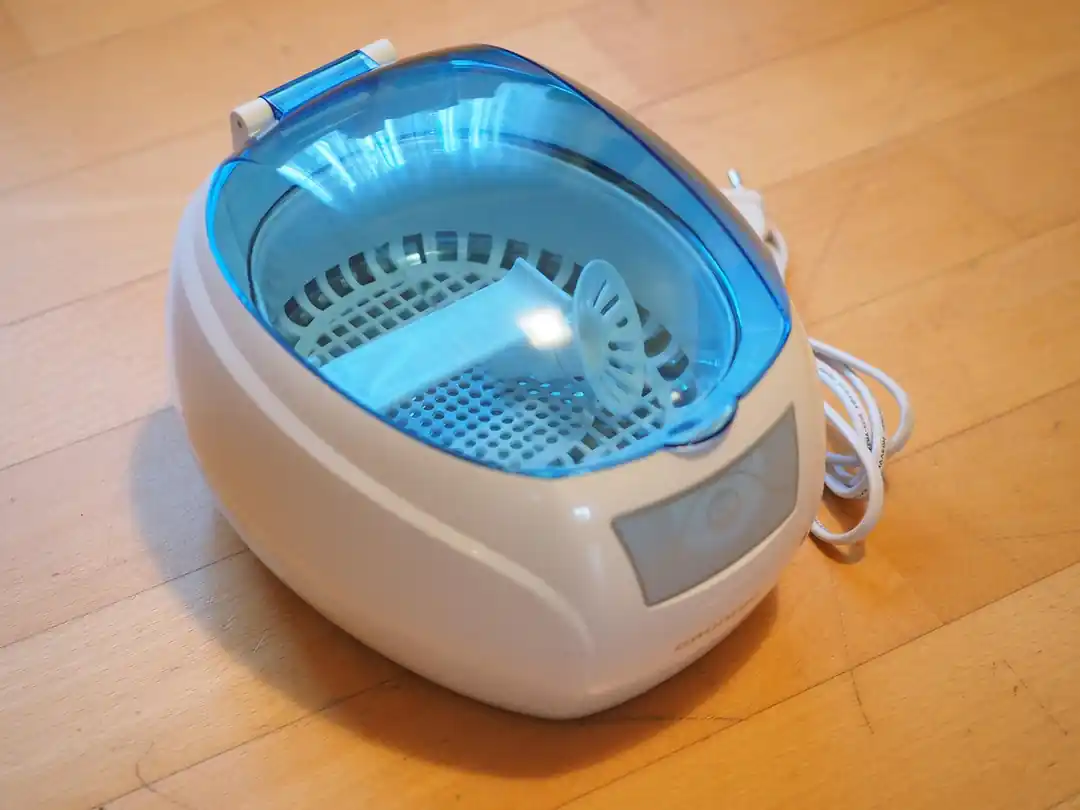
Enter the electric silver polisher. This category primarily includes ultrasonic cleaners, which have become increasingly popular for home use. These devices use high-frequency sound waves to create microscopic bubbles in a cleaning solution. This process, called cavitation, generates a gentle but powerful scrubbing action that can dislodge dirt, grime, and light tarnish from every tiny nook and cranny. For jewelry with complex chains or detailed settings, an ultrasonic cleaner can feel like a miracle, achieving a level of clean in minutes that would be impossible with a cloth.
The primary appeal is, without a doubt, speed and efficiency. What could take an hour of painstaking work by hand can be accomplished in a 5-to-10-minute cycle. It’s a set-it-and-forget-it approach that frees you up to do other things. For someone with a large collection of silver or who simply dreads the manual labor of polishing, this convenience is a massive selling point. They are exceptionally good at cleaning the grime that builds up in the tiny spaces of intricate designs.
However, this power comes with a serious set of warnings. Ultrasonic cleaners are not suitable for all types of silver or jewelry. The intense vibrations can be disastrous for soft or porous gemstones like opals, pearls, emeralds, and turquoise. It can also loosen the settings of smaller pavé stones, potentially causing them to fall out. Furthermore, while they are great at removing dirt, they don't always remove heavy chemical tarnish on their own; you often need to use a specific silver-cleaning solution in the machine. For truly valuable or delicate antiques, the risk of damage often outweighs the convenience.
Head-to-Head: Which Is Right for Your Heirlooms?
So, where does that leave us? The choice really comes down to a few key factors: the type of silver you’re cleaning, the level of tarnish, and your personal priorities.
If you are a custodian of priceless family heirlooms, particularly antique or silver-plated items, the gentle and controlled touch of a traditional polishing cloth is almost always the safer and more respectful choice. It preserves the integrity and history of the piece. For your everyday silver jewelry or lightly tarnished items, a cloth is also a perfectly adequate, inexpensive, and convenient option for regular maintenance.
On the other hand, if you have a large collection of sturdy, modern silverware or intricate jewelry (without soft gemstones), an ultrasonic cleaner can be a fantastic investment in time-saving. It can handle the bulk of the cleaning work, especially in hard-to-reach areas, leaving you with just a quick final buff. Think of it as a powerful assistant, rather than a complete replacement for manual care.
Ultimately, the best silver care kit might just include both. Use the electric cleaner for the deep-cleaning grunt work on durable items, and reserve the polishing cloth for the final, loving touch-up and for those precious pieces that deserve a more personal, gentle approach. There’s no shame in embracing technology, but there’s also irreplaceable value in the traditional, hands-on method. The real magic is in knowing which one to reach for.

That Panic in Your Pocket: How Bluetooth Trackers Actually Find Your Lost Keys
What to Know Before Using an Ultrasonic Cleaner for Silver Jewelry
Related Posts
 INTERIOR IDEAS
Beyond Stark White: The Best Interior Paint Colors to Light Up Your New Space
Discover how moving away from flat white walls to soft pale blues, earthy sage greens, and cozy warm neutrals can naturally brighten your home.
 HOME IMPROVEMENT
The Honest Winter Energy Guide: How I Cut Heating Costs Without Freezing
Practical, research-backed ways to keep your home warm and your utility bills reasonable this winter, from simple DIY sealing to smart habits.

Popular Posts

Rethinking Non-Profit Promotion: Creative Strategies That Actually Drive Event Impact
Beyond Stark White: The Best Interior Paint Colors to Light Up Your New Space

How to Actually Master a New Language on Your Own (No Magic Gene Required)