The Honest Truth About Drinking Tap Water in Costa Rica
Planning a trip to the land of 'Pura Vida'? Let's talk about something every traveler wonders: Is it actually safe to drink the tap water?
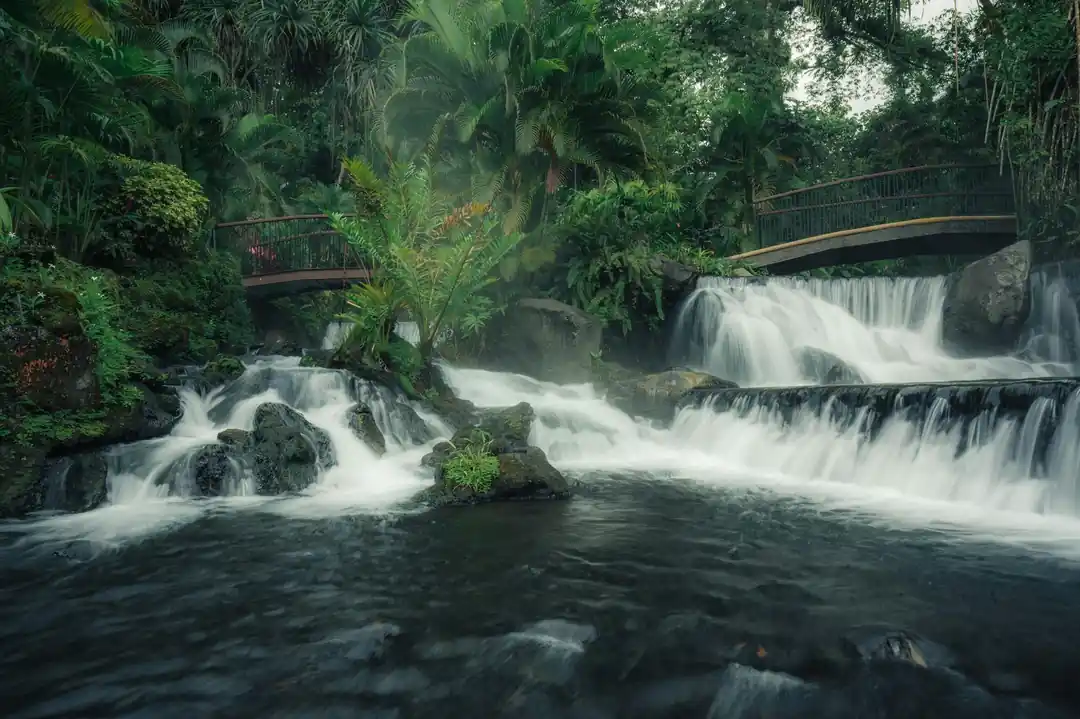
There’s a moment on every trip, usually right after you’ve dropped your bags and the travel fatigue is setting in, when you find yourself staring at a hotel tap, wondering. It’s a simple question, but one that can define a lot about your trip: "Can I drink this?" I’ve been there more times than I can count, and on a recent trip to Costa Rica, a country that prides itself on its natural wonders, the question felt even more pressing. You see pictures of pristine waterfalls and lush rainforests and assume everything is pure.
The short answer is, surprisingly, often yes. But the long answer is a bit more nuanced and, honestly, far more interesting. Costa Rica has one of the most reliable water systems in Latin America, with the national water and sewer institution, AyA (Acueductos y Alcantarillados), working hard to ensure public health. In many of the places you’re likely to visit—San José, Arenal, Manuel Antonio—the tap water is generally treated and considered safe to drink. It’s a testament to the country's investment in infrastructure.
However, "generally safe" isn't a guarantee everywhere. The further you venture off the beaten path, the more you need to pay attention. In more rural, remote, or coastal areas (especially parts of the Caribbean coast), the water quality can be less consistent. These areas might rely on local wells or less sophisticated systems that can be vulnerable to contamination, particularly after heavy rains. It’s not that the water is intentionally neglected; it’s just a reality of geography and development.
Navigating Your Thirst: A Practical Guide
So, what’s a traveler to do? First, don't be afraid to ask. Your hotel, guesthouse host, or a local guide will give you the most accurate, up-to-the-minute advice. They live there, they drink the water (or don't), and they'll know if there are any temporary issues. Sometimes, even in cities, a pipe can burst, and locals will switch to bottled water for a few days. It’s always better to sound like a cautious tourist than to spend a few days of your vacation sick.
For those with sensitive stomachs, even clean water can cause issues. The mineral content in a new place can be different from what your body is used to, leading to mild digestive upset. It’s not about safety, just biology. If you know you’re prone to this, sticking to filtered or bottled water might be the most comfortable choice, regardless of where you are. It’s a small precaution that can make a big difference in your overall travel experience.
And let's talk about the environmental elephant in the room: plastic bottles. Costa Rica is a world leader in eco-tourism, and the "Pura Vida" lifestyle is deeply connected to protecting its incredible environment. The thought of contributing to plastic waste here feels particularly wrong. A fantastic alternative is to bring a reusable water bottle with a built-in filter. This gives you the best of both worlds: you can fill up from almost any tap with confidence, save money, and, most importantly, travel in a way that respects the local commitment to nature.
The 'Pura Vida' Approach to Water
Ultimately, the water situation in Costa Rica is a perfect metaphor for the country itself. On the surface, it’s beautiful, clean, and inviting. Dig a little deeper, and you’ll find a complex system that requires a bit of awareness and respect to navigate properly. It’s a place that rewards mindful travelers.
My advice? Arrive prepared. Bring a filter bottle, ask questions, and listen to the locals. Don’t let a fear of the unknown stop you from enjoying everything this amazing country has to offer, but don’t throw caution to the wind either. Drinking water is a basic necessity, but making conscious choices about it is part of being a responsible traveler.
In the end, whether you're refilling your bottle from a tap in San José or buying a glass bottle of water from a small shop on the coast, you're participating in the local economy and the local ecosystem. And that, in its own way, is a part of the Pura Vida. It’s about making simple, good choices that allow you to fully and safely immerse yourself in the magic of the place.
Your Two-Week Costa Rica Budget: A Realistic Guide to 'Pura Vida'
Your First Apartment: A No-Stress Guide to Finding a Place You'll Love

Related Posts
 TRANSPORT
Beyond the Highway: Finding Canada's Soul on a Western Rail Adventure
Forget road trips. I'm talking about rediscovering the romance of travel on Via Rail's most scenic routes through the heart of the Canadian West. It’s an experience that changes you.
 TRAVEL TIPS
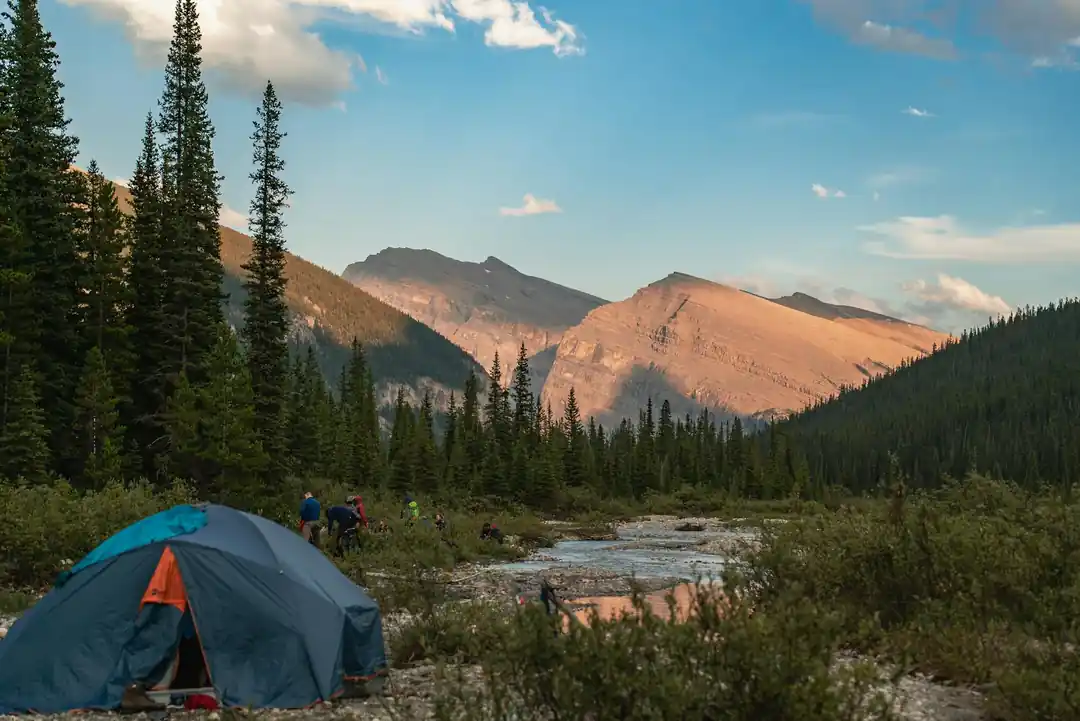
The Unwritten Rules of the North: What to Know Before Camping in Canada
Heading to the Great White North for a camping trip? It's an amazing idea. But from campfire etiquette to wildlife wisdom, here’s what you need to know before you go.
Popular Posts

Rethinking Non-Profit Promotion: Creative Strategies That Actually Drive Event Impact

Beyond Stark White: The Best Interior Paint Colors to Light Up Your New Space

How to Actually Master a New Language on Your Own (No Magic Gene Required)
