Ever wondered if you're truly protecting your hands during boxing training? Learning to wrap your hands correctly is more than just a ritual; it's a fundamental skill that safeguards your most valuable tools.
Stepping into the boxing gym for the first time, I remember feeling a mix of exhilaration and a tiny bit of intimidation. All those seasoned fighters, their hands expertly taped and wrapped, looking like formidable weapons. I, on the other hand, was fumbling with a long strip of cloth, trying to mimic what I’d seen in a quick online video. It felt awkward, bulky, and honestly, a little pointless at first. But oh, how wrong I was! That seemingly simple act of wrapping your hands is, without exaggeration, one of the most crucial skills you'll ever learn in boxing, kickboxing, or any striking art. It's the unsung hero, the silent guardian of your fists, and mastering it will change your training game entirely.
I used to think the gloves did all the work, cushioning every blow. And while gloves are undeniably important, they're primarily there to protect your opponent and add some padding. The real, intricate protection for your own delicate hand bones and wrist joints? That comes from a well-applied hand wrap. It’s a foundational piece of the puzzle, and once you understand the 'why' and the 'how,' you'll never skip it again.
Why Bother? The Unsung Hero of Your Fists
Let's be brutally honest: your hands are complex, delicate instruments. They're a marvel of engineering, packed with tiny bones, ligaments, and tendons, all working in concert. When you throw a punch, especially a powerful one, you're sending a significant amount of force through these intricate structures. Without proper support, that force can wreak havoc. I've seen too many beginners (and even some experienced folks who got lazy) sidelined with wrist sprains, jammed fingers, or worse, the dreaded "boxer's fracture" – a painful break in the metacarpal bones.
Hand wraps essentially turn your hand into a more solid, unified block. They compress the small bones of your hand together, preventing them from shifting and absorbing shock more effectively. Think of it like this: if you hit a wall with an open hand, it hurts. If you hit it with a tightly clenched fist, it still hurts, but the impact is distributed more evenly, and your hand is less likely to buckle. Wraps enhance that natural clench, providing an external skeleton that stabilizes your wrist, keeping it aligned and preventing hyperextension or twisting on impact. This stability isn't just about preventing acute injuries; it's about long-term joint health, allowing you to train consistently and powerfully for years to come.
Beyond the physical protection, there's a psychological benefit too. When your hands feel secure and supported, you punch with more confidence. That little bit of extra assurance allows you to focus on technique, power, and speed, rather than worrying about whether your wrist is going to give out. It's a subtle but profound shift in mindset that can genuinely elevate your training. Plus, a little secret: wraps also help absorb sweat, keeping your gloves fresher for longer. You're welcome.
The Essentials: What You'll Need (and Why)
Before we dive into the wrapping technique itself, let's talk about the tools of the trade. You don't need much, but having the right kind of wrap makes a world of difference. Most commonly, you'll encounter two main types for training: cotton/cloth wraps and semi-elastic (often called "Mexican-style") wraps.
Cotton wraps are your traditional, non-stretchy option. They're durable, breathable, and provide excellent support if wrapped correctly. Mexican-style wraps, on the other hand, have a slight elasticity, usually a cotton/polyester blend, which allows them to conform more snugly to the contours of your hand. Many boxers, myself included, prefer the semi-elastic variety because that little bit of give helps create a tighter, more comfortable, and more protective wrap without cutting off circulation. For beginners, I'd lean towards the semi-elastic ones; they're a bit more forgiving.
Length matters too. You'll typically find wraps in 120-inch and 180-inch lengths. For most adults, especially if you want ample knuckle padding and wrist support, the 180-inch wraps are the way to go. Shorter wraps might be quicker, but they often don't provide enough material for comprehensive protection, particularly if you have larger hands. Each wrap will have a thumb loop at one end and a Velcro closure at the other. Make sure the thumb loop is securely stitched and the Velcro is strong – these are the anchors that hold your masterpiece in place.
The Art of the Wrap: A Step-by-Step Guide
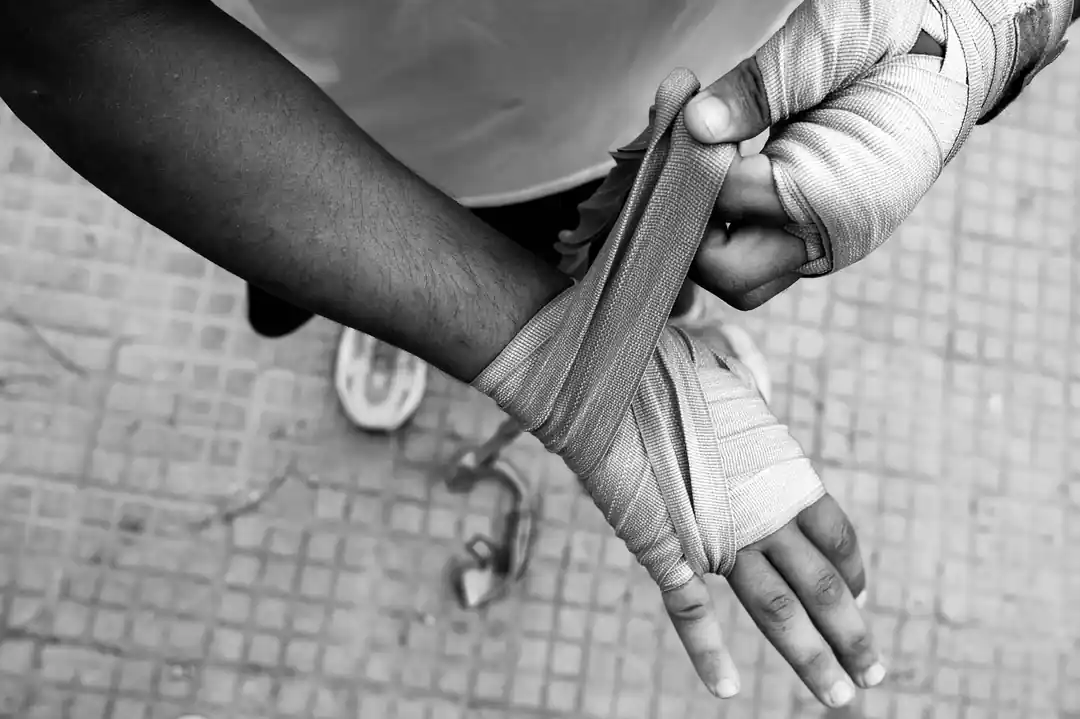
Alright, let's get down to business. This is where the magic happens. Remember, there are many ways to wrap hands, and you'll likely develop your own nuances over time. This is a solid, protective method that focuses on wrist stability and knuckle padding.
- Anchor the Thumb: Start by sliding your thumb through the loop, ensuring the wrap material lays flat across the back of your hand. The wrap should unroll over your hand, not under it. This is crucial for proper tension.
- Secure the Wrist (Foundation First): Bring the wrap across the back of your hand and around your wrist. Wrap your wrist 2-3 times, keeping the tension firm but not constricting. You want it snug, like a supportive hug, not a tourniquet. This creates the essential base for wrist stability.
- Knuckle Protection (The Power Zone): From your wrist, bring the wrap diagonally across the back of your hand, over your palm, and across your knuckles. Wrap around your knuckles 2-3 times, creating a protective pad. Make sure your fingers are slightly spread during this step to avoid a wrap that's too tight when you make a fist.
- The "X" Pattern (Back of Hand Support): After wrapping your knuckles, bring the wrap diagonally across the back of your hand towards your wrist, forming an "X" pattern. Loop around your wrist once, then bring it back across the back of your hand to create another "X." Repeat this 2-3 times. This crisscross pattern adds significant support to the back of your hand and helps keep everything in place.
- Thumb Support (Often Overlooked): From the wrist, bring the wrap around the base of your thumb, then loop it once around the thumb itself. Bring it back down to the wrist. This helps secure the thumb and prevents it from bending awkwardly on impact.
- Finger Weaving (The Interlacing): This step is key for keeping the wrap from shifting. From your wrist, bring the wrap across the back of your hand and thread it between your pinky and ring finger. Pull it across your palm and back to your wrist. Repeat this for the space between your ring and middle finger, and then again for the space between your middle and index finger. This creates individual anchors for each finger, preventing the wrap from bunching up.
- Final Wrist Lock-Down: Once you've woven through all the fingers, bring the wrap back to your wrist. Use any remaining length to wrap around your wrist again, securing everything tightly. Fasten the Velcro closure. Your hand should feel compact, supported, and ready for action.
Common Pitfalls & Pro Tips
Even with a step-by-step guide, it's easy to fall into some common traps. I certainly did when I started! The most frequent issues revolve around tension.
- Too Loose: If your wraps feel like they're flapping around or bunching up inside your glove, they're too loose. This means they're not providing the necessary support and can even cause chafing. The solution? Tighten them up! Give a small, firm tug after each rotation.
- Too Tight: On the flip side, wraps that are too tight can cut off circulation, leading to numb fingers, tingling, or even discoloration. This is dangerous and counterproductive. If you feel any of these symptoms, unwrap immediately and re-wrap with less tension. You should be able to make a comfortable fist and wiggle your fingers slightly without feeling restricted.
- Ignoring the Wrists or Knuckles: Some beginners focus too much on one area. Remember, both the wrist and knuckles need significant attention. The wrist provides stability, and the knuckles need that crucial padding to absorb impact.
- Not Wrapping Between Fingers: Skipping the finger weaving step is a common mistake. While it might seem tedious, it's vital for preventing the wrap from shifting and ensuring a secure fit throughout your training session.
- Twisting: Try to keep the wrap as flat as possible as you go. Twisted wraps can create uncomfortable pressure points and reduce overall effectiveness.
My best advice? Practice, practice, practice. It's a skill, just like throwing a jab or a hook. Don't get discouraged if your first few attempts look like a tangled mess. Experiment with the tension, try slightly different paths, and find what feels most secure and comfortable for your hands. Watch videos, ask a coach, or even a more experienced gym-mate for feedback. Soon enough, you'll be wrapping your hands with the speed and precision of a seasoned pro, and your hands will thank you for it.
Ultimately, hand wrapping is an investment in your boxing journey. It’s a small act of self-care that pays huge dividends in injury prevention, confidence, and the longevity of your training. So next time you head to the gym, take those extra few minutes, embrace the ritual, and wrap those hands like the precious tools they are. You'll hit harder, train safer, and enjoy every moment of your time in the ring, knowing your fists are well-protected.

Riding the Market's Tides: How the Economic Cycle Shapes Your Investment Strategy
From Slopes to Air: A Beginner's Guide to Your First Freestyle Ski Tricks

Related Posts
 NUTRITION
The Simple Pre-Workout Fueling Strategy That Saved My Long Runs
Discover how timing your carbohydrates and embracing simple foods can eliminate mid-workout fatigue and unlock your true endurance potential.
 FITNESS
No Gym, No Problem: The Ultimate Guide to Bodyweight Fitness at Home
Forget expensive memberships. Discover how to build serious strength and transform your body using the most powerful tool you already own: yourself.

Popular Posts

Rethinking Non-Profit Promotion: Creative Strategies That Actually Drive Event Impact

Beyond Stark White: The Best Interior Paint Colors to Light Up Your New Space

How to Actually Master a New Language on Your Own (No Magic Gene Required)