How to Meal Prep on a Budget: Your Guide to Eating Well for a Week
Tired of expensive takeout and last-minute dinner stress? Discover how to master the art of meal prepping for a week on a budget. It's easier than you think and will change your relationship with food and your finances.
It’s a familiar scene for so many of us: it's 5:30 PM, you’re tired, you’re hungry, and the thought of figuring out what to cook for dinner feels like a monumental task. The siren song of a food delivery app starts playing in your head, and before you know it, you’ve spent $30 on a meal that offers temporary convenience but long-term budget regret. I’ve been there more times than I can count. For years, my evenings were a chaotic scramble that often ended in expensive, not-so-healthy choices.
The idea of "meal prepping" always felt like something reserved for fitness gurus with six-pack abs and perfectly curated Instagram feeds. It seemed rigid, complicated, and, frankly, a little boring. But when I decided to get serious about my budget, I realized that my food spending was the one area that was completely out of control. So, I gave it a shot. And honestly? It was one of the best decisions I’ve ever made, not just for my wallet, but for my sanity.
Meal prepping isn't about eating bland chicken and broccoli from a plastic container every day (unless that's your thing!). It's about creating a system that works for you. It's a Sunday afternoon ritual that buys you back hours of free time during the week. It's the quiet confidence of knowing that a delicious, home-cooked meal is waiting for you after a long day. It’s an act of kindness to your future self.
The Game Plan: Before You Even Shop
The absolute most important part of budget meal prepping happens before you even set foot in a grocery store. A solid plan is the foundation of a successful and affordable week of meals. Going to the store without a list is like trying to navigate a new city without a map—you’ll get lost in aisles of tempting snacks and impulse buys, and you’ll definitely overspend.
First, take a full inventory of your kitchen. I mean it. Dig deep into your pantry, your fridge, and your freezer. What do you already have? That half-bag of quinoa, the can of black beans you bought for a recipe you never made, the frozen vegetables hiding in the back—these are your starting players. Building your meal plan around ingredients you already own is the number one way to cut down your grocery bill. This simple step forces creativity and ensures that perfectly good food doesn't go to waste.
Once you know what you have, it's time to hunt for deals. Look up the weekly flyers for your local grocery stores online. What’s on sale? What produce is in season? If bell peppers are $1 each, that’s a great week for fajita bowls. If sweet potatoes are on sale, you can plan for roasted sweet potato wedges and a hearty soup. Planning your meals around seasonal sales ensures you’re getting the best price and the freshest ingredients. This is how you let the store’s discounts dictate your menu, not the other way around.
With your inventory and sales list in hand, sketch out a rough menu for the week. The key is to choose recipes that share ingredients. For example, if you buy a large container of spinach, you can use it in a breakfast smoothie, a lunchtime salad, and sautéed as a dinner side. A batch of cooked ground turkey can be used for spaghetti on Monday and tacos on Wednesday. This overlap is what streamlines your shopping list and keeps costs low.
The Smart Haul: Conquering the Grocery Store
Armed with your detailed list, you are now ready to face the grocery store. Your mission is to get in, get what you need, and get out without being seduced by clever marketing and end-cap displays. Sticking to your list is your superpower.
When it comes to protein, think beyond expensive cuts of meat. Plant-based proteins like lentils and chickpeas are incredibly cheap, healthy, and versatile. A bag of dried lentils can be the base for soups, salads, and veggie burgers for just a few dollars. Eggs are another budget powerhouse. For meat-eaters, consider chicken thighs instead of breasts—they are often half the price and, in my opinion, have more flavor. Ground turkey is also a lean and affordable option that can be stretched in dishes like chili or pasta sauce.
Don't be afraid of the bulk bins. This section is your best friend for staples like oats, rice, nuts, and spices. You can buy the exact amount you need, which reduces food waste and is often significantly cheaper than buying pre-packaged versions. Just be sure to write down the bin number for the cashier. For produce, buying whole vegetables instead of the pre-cut, pre-washed versions will always save you money. Yes, it takes a few extra minutes to chop a carrot, but the savings add up week after week.
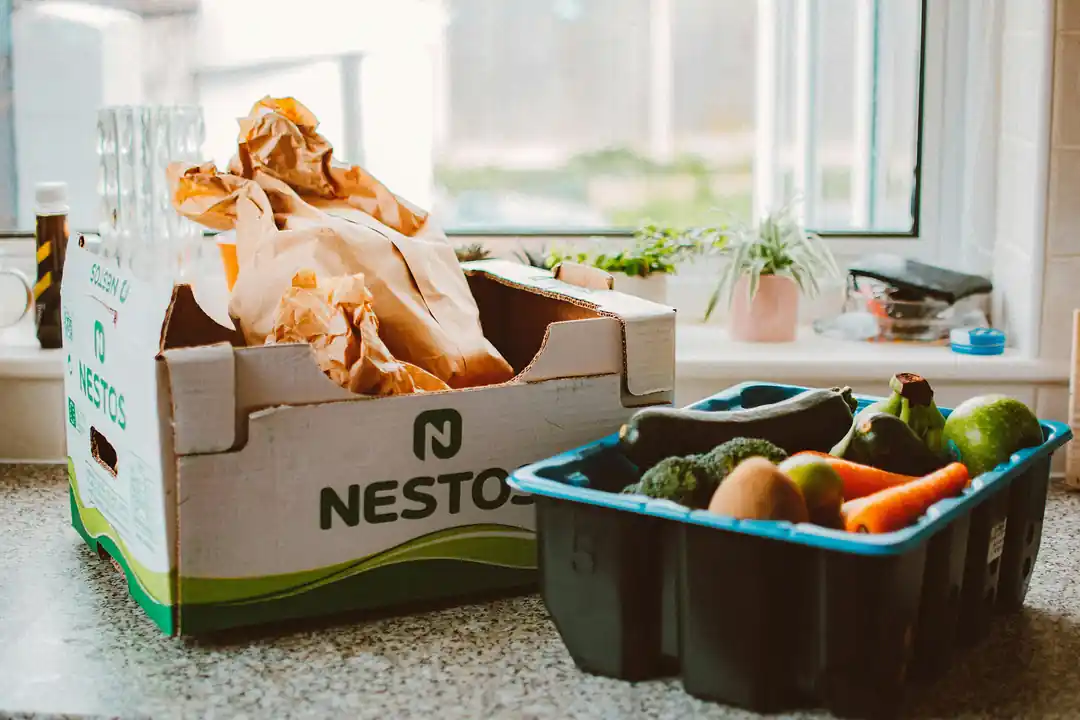
Finally, one of the oldest but truest pieces of advice: never shop when you’re hungry. When your stomach is rumbling, everything looks delicious. That bag of gourmet chips, the fancy artisanal cheese, the freshly baked cookies—they all seem like a great idea at the moment. Have a small snack before you go to the store to keep your mind sharp and your focus on the list. Your wallet will thank you.
The Big Cook: Your Sunday Kitchen Ritual
This is where the magic happens. For me, Sunday afternoon is my dedicated "big cook" time. I put on a good podcast or some music, pour myself a cup of tea, and get into the zone. Instead of thinking of it as a chore, I try to frame it as a productive, almost meditative, activity. This two-to-three-hour investment of time pays me back tenfold during the hectic workweek.
The key to an efficient cooking session is batching. You don't need to cook five completely different meals. Instead, focus on preparing versatile components that you can mix and match throughout the week. Cook a large pot of a base grain, like brown rice or quinoa. Roast a big sheet pan of vegetables—broccoli, sweet potatoes, onions, and peppers are fantastic options. You can grill or bake your protein for the week, like a batch of chicken thighs or a simple meatloaf.
Once you have your core components, the possibilities are endless. That batch of quinoa can be a side dish on Monday, the base of a grain bowl for lunch on Tuesday, and mixed into a soup on Thursday. The roasted vegetables can be paired with chicken, thrown into a salad, or blended into a pasta sauce. This "component prep" method prevents the flavor fatigue that can come from eating the exact same meal every day. You can keep things interesting by simply changing up your sauces and spices each day.
Assembly & Storage: Keeping It Fresh
You’ve done the planning, the shopping, and the cooking. The final step is to store your beautiful food properly to ensure it stays fresh and delicious all week long. The right containers are a worthy investment. While I love glass containers because they are durable, easy to clean, and can go in the microwave, good quality BPA-free plastic containers also work perfectly well. The most important thing is that they have airtight lids to lock in freshness.
When packing your meals, think about texture. To avoid a sad, soggy salad by midweek, store your dressing separately in a small container. Keep crunchy toppings like nuts or croutons separate as well. If you're packing a grain bowl, put the wetter ingredients like sauces or juicy tomatoes at the bottom and the greens on top.
Let all your cooked food cool down completely on the counter before you put the lids on and transfer them to the fridge. Sealing food while it's still hot creates condensation, which can make your food spoil faster. It may seem like a small step, but it makes a huge difference in how well your meals hold up over the course of the week.
Starting a meal prep routine is a journey, not a destination. Your first week might not be perfect, and that’s okay. You might make too much of one thing or not enough of another. But with each passing week, you’ll get smarter, more efficient, and more confident. You’ll learn what you love to eat and what recipes work best for your lifestyle. And you’ll discover the profound sense of calm that comes from knowing that, no matter how crazy the week gets, a good meal is always waiting for you.

The High-Rise Handbook: Potty Training Your Puppy in an Apartment
Finally Tame Your Digital Photos: An Organizer’s Guide for 2026

Related Posts
 HOBBIES
The Beginner's Guide to Reading the Night Sky: How to Spot Your First Constellations
A friendly, grounded guide to navigating the night sky, understanding stellar movements, and spotting iconic constellations without expensive gear.
 PETS
PETSSniffle-Free Snuggles: America's Most-Loved Hypoallergenic Dogs
Dreaming of a furry friend but dreading the sneezes? You're not alone. Let's dive into the wonderful world of popular hypoallergenic dog breeds in the US.

Popular Posts
Beyond Stark White: The Best Interior Paint Colors to Light Up Your New Space

How to Actually Master a New Language on Your Own (No Magic Gene Required)
The Simple Pre-Workout Fueling Strategy That Saved My Long Runs