Thinking about a trip to Costa Rica? I'm breaking down everything you need to know about why a 4x4 is your ticket to freedom, and how to navigate the rental process without any surprises.
If you’ve ever scrolled through photos of Costa Rica, you’ve seen it: the misty cloud forests, the remote waterfalls cascading into turquoise pools, the rugged coastline stretching for miles. It’s a country that practically begs you to explore its wild heart. But here’s a little secret I learned firsthand: many of those breathtaking, off-the-beaten-path spots are connected by roads that are, shall we say, less than perfect. This is where the great debate begins, and where I’ve landed on a firm opinion: renting a 4x4 in Costa Rica isn't just a good idea; it's essential for a true adventure.
Honestly, I get the hesitation. The term "4x4" can sound intense, maybe even excessive. You might be thinking, "I'm a careful driver, I'll stick to the main roads." I thought that, too. But the reality is that the "main roads" will only show you a fraction of what this incredible country has to offer. The real magic happens when you turn onto that unassuming dirt path, the one that leads to a secluded beach or a family-run soda with the best gallo pinto you'll ever taste. A standard sedan just won't give you the clearance, the power, or the peace of mind to take that turn.
It’s about more than just avoiding potholes. It’s about freedom. It’s the freedom to say "yes" to a detour, to follow a sign that points toward a national park you hadn't planned on visiting, or to navigate the steep, winding roads up to a volcano viewpoint without a single worry about your vehicle's capability. During the dry season, these roads are manageable but dusty and bumpy. But come the rainy season (from May to November), those same roads can transform into muddy, slippery challenges, sometimes even involving small river crossings. In those moments, a 4x4 isn't a luxury; it's your reliable partner in exploration.
Why You Absolutely Need a 4x4
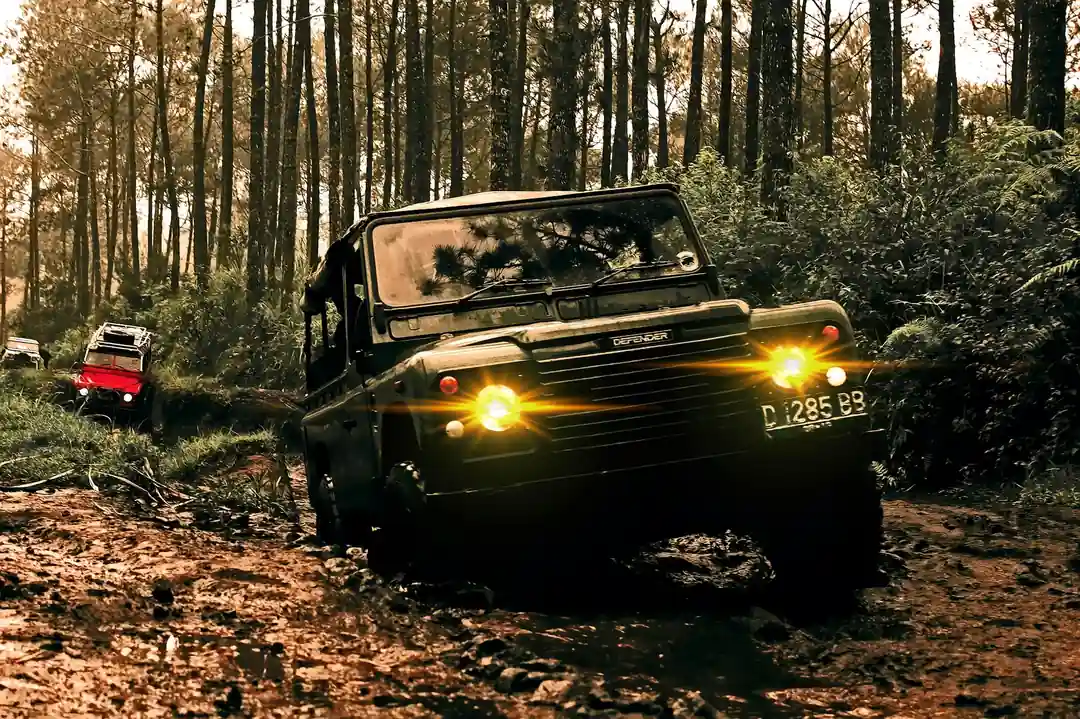
Let's get into the nitty-gritty. The primary reason a 4x4 is so highly recommended is ground clearance. Many of the roads leading to popular eco-lodges, nature reserves, and surf spots are unpaved and uneven. A regular car risks "bottoming out," which can cause serious and expensive damage to the undercarriage. I’ve seen it happen, and it’s a surefire way to put a damper on your trip. A vehicle like a Suzuki Jimny, Toyota RAV4, or Mitsubishi Montero Sport gives you the height you need to navigate these roads with confidence.
The "4x4" capability itself—the four-wheel drive—is your best friend in slippery situations. After a tropical downpour, a steep dirt road can become incredibly slick. Having power distributed to all four wheels provides the traction you need to climb hills and navigate muddy patches without getting stuck. It’s a feature you might not use every day, but when you need it, you really need it.
Think of it as an investment in your experience. The extra cost of a 4x4 rental buys you access. Access to the remote corners of the Osa Peninsula, the less-crowded beaches of the Nicoya Peninsula, and the stunning landscapes around Monteverde and Arenal that are just out of reach for a standard vehicle. It allows you to build an itinerary based on your desires, not on the limitations of your car.
Navigating the Rental Maze: Booking & Insurance
Okay, so you're on board for a 4x4. Now comes the part that trips up a lot of travelers: the rental process, specifically the insurance. Costa Rican car rental insurance is a bit of a world unto itself, and it's crucial to understand it to avoid sticker shock at the rental counter. The price you see online is almost never the final price you'll pay.
First, there is a mandatory Third-Party Liability (TPL) insurance that is required by law. You cannot decline this. It covers damages to other people and their property. This is the fee that often surprises people, as it's not always included in the initial quote. Expect this to add anywhere from $15 to $30 USD per day to your rental cost. No credit card or personal auto insurance will cover this for you; it's a non-negotiable part of renting a car in Costa Rica.
Next is the Collision Damage Waiver (CDW). This covers damage to your rental vehicle. Here, you have some options. Many premium credit cards (like the Chase Sapphire Reserve or certain American Express cards) offer CDW coverage as a perk. If you plan to use your credit card's insurance, you MUST bring a printed letter from your credit card company stating that your card provides this coverage for rental cars in Costa Rica. Without this proof, the rental agency will almost certainly require you to purchase their CDW. If you decline the agency's CDW, be prepared for a large security deposit (often $2,000 to $5,000) to be held on your card.
My advice? Book with a reputable local company. Adobe Rent a Car is one of the most well-regarded in the country, known for its transparent pricing and excellent service. They tend to have fewer hidden fees and make the whole process smoother. And whatever you do, book your vehicle far in advance, especially if you're traveling during the high season (December-April). 4x4s are the first to go, and last-minute prices can be astronomical.
My Top Tips for the Road
Driving in Costa Rica is an adventure in itself. The roads are different, the driving style is different, and the environment is full of surprises. After a few trips, I've gathered some hard-won wisdom that I hope will help you navigate the roads like a pro.
First and foremost, drive defensively and take it slow. "Pura Vida" applies to the roads, too. There's no need to rush. Potholes can be deep, and unmarked speed bumps (called reductores) are common, even on highways. Locals often know the roads by heart and may drive faster than you're comfortable with; just let them pass and continue at your own pace. Also, Waze is the navigation app of choice here, but use it with a grain of salt. It will sometimes try to send you on "shortcuts" that are barely passable roads. If a route looks questionable, it’s better to stick to the more established path.
Second, avoid driving at night whenever possible. The roads are not well-lit, and hazards like pedestrians, cyclists without lights, and wildlife are much harder to see after dark. Plan your travel days so that you arrive at your destination before sunset. This is not just for safety; you'll also get to enjoy the stunning scenery along the way.
Finally, embrace the journey. A flat tire or an unexpected detour isn't a disaster; it's part of the adventure. Be prepared: make sure your rental has a spare tire and the tools to change it, and maybe even watch a quick tutorial before you go. Having a basic understanding of your vehicle will give you confidence. The journey through Costa Rica's beautiful landscapes is just as important as the destination, and having the right vehicle makes all the difference in being able to truly enjoy it.

Beyond the Bridge: Finding San Francisco's Real Hidden Gems
Forget the Rental: How to Actually Get Around Costa Rica Without a Car
Related Posts
 TRANSPORT
Beyond the Highway: Finding Canada's Soul on a Western Rail Adventure
Forget road trips. I'm talking about rediscovering the romance of travel on Via Rail's most scenic routes through the heart of the Canadian West. It’s an experience that changes you.
 TRAVEL TIPS
The Unwritten Rules of the North: What to Know Before Camping in Canada
Heading to the Great White North for a camping trip? It's an amazing idea. But from campfire etiquette to wildlife wisdom, here’s what you need to know before you go.

Popular Posts

Rethinking Non-Profit Promotion: Creative Strategies That Actually Drive Event Impact

Beyond Stark White: The Best Interior Paint Colors to Light Up Your New Space

How to Actually Master a New Language on Your Own (No Magic Gene Required)