Thinking about exploring the historic cities and beautiful landscapes of Belarus by train? It's a fantastic way to see the country. Here’s a straightforward guide to booking your tickets online without the stress.
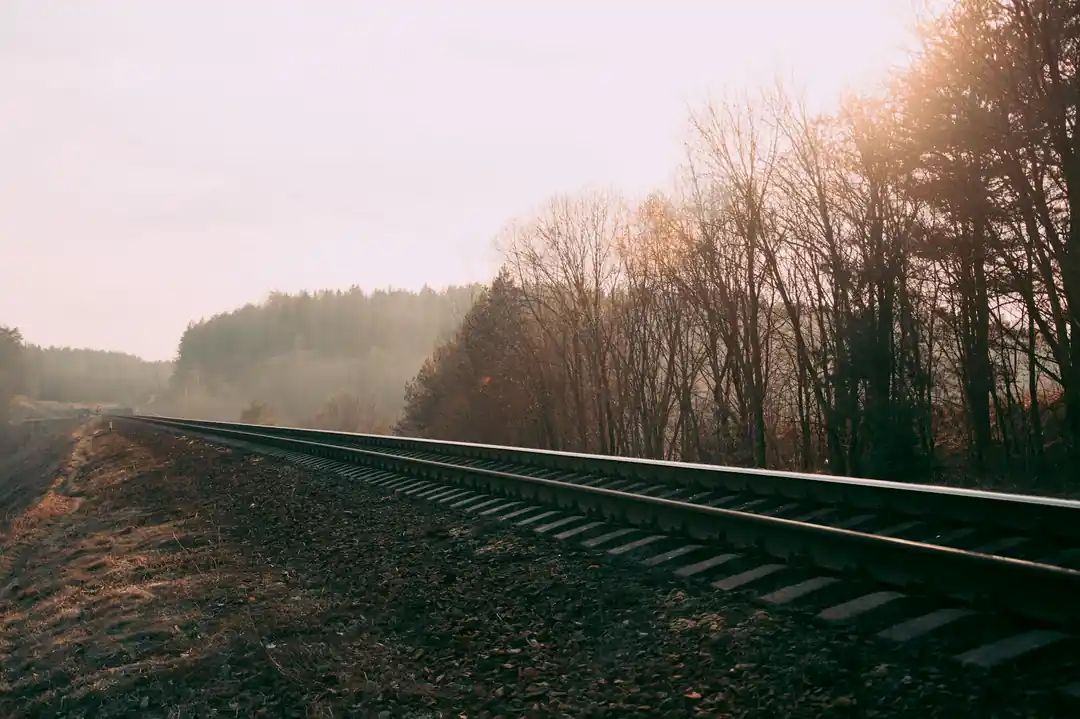
There’s a unique kind of romance to train travel, isn’t there? It’s a slower, more deliberate way of moving through the world, where the journey itself becomes a cherished part of the experience. When I first thought about exploring Belarus, a country rich with history and subtle beauty, the idea of seeing it by rail felt like the most authentic way to connect with its spirit. It felt like stepping back in time, just a little.
But then came the inevitable modern-day question: how do you actually book the tickets? The thought of navigating a foreign system, potentially in a different language, can feel a bit daunting from halfway across the world. I’ll admit, I had visions of confusing websites and payment errors. But I’m here to tell you that it’s not only possible but surprisingly manageable.
You don’t need to be a seasoned travel hacker to figure it out. With a little guidance and the right official resources, you can have your tickets booked and your adventure planned in no time. It’s about knowing where to go, what to look for, and having a few key tips in your back pocket. So, let’s walk through it together.
The Only Website You Really Need
First things first, let's cut through the noise. While there are third-party vendors out there, the most reliable and direct way to book train tickets for travel within Belarus is through the official website of the Belarusian Railways (Беларуская чыгунка, or BCh). Going straight to the source ensures you're getting the most accurate schedules, availability, and pricing, without any surprise markups. I always feel more secure when my booking is directly with the service provider.
The website is pass.rw.by. The great news for us English speakers is that the site has an English-language version. You’ll usually find the language toggle (often a flag or an "EN" button) at the top of the page. This is your first and most important click, as it transforms the entire experience from a Cyrillic puzzle into a familiar booking process. It’s a small detail that makes a world of difference.
Once you’re on the English site, the layout is quite intuitive. You'll see a standard booking form asking for your departure and arrival stations, and your travel date. One thing to keep in mind is that major cities might have more than one station. For instance, when traveling from Minsk, you'll want to select "Minsk-Passajirskii" (Minsk Passenger) for most long-distance and intercity trains. Taking a moment to double-check the station name can save you from a last-minute panic on travel day.
A Step-by-Step Guide to Booking Your Ticket
Once you've input your route and date, the system will show you a list of available trains. This is where you start to shape your journey. You'll see different train numbers, their departure and arrival times, and the duration of the trip. Pay attention to the train type, as this can affect speed and comfort. Intercity lines are generally faster and more modern, while regional trains make more stops and offer a more local experience.
After you select a train, you’ll move on to choosing your carriage and seat type. This is where Belarusian train travel shows its classic, tiered system. You'll often see options like "SV" (a first-class sleeper with two berths per compartment), "Coupe" (a standard second-class sleeper with four berths), and "Platzkart" (an open-plan carriage with beds). For daytime travel, you'll also find seated options. I find that for overnight journeys, a Coupe offers a great balance of comfort and affordability.
Next, you'll enter your passenger details. This part is critical. You must enter your name exactly as it appears on your passport. The system will require your first name, last name, and passport number. This information is used to verify your identity when you board, so there’s no room for typos or nicknames. The train conductor will check your ticket against your passport, and they need to match perfectly.
Finally, you'll proceed to payment. The website accepts major credit cards, but it's wise to be prepared. Sometimes, US-based credit cards can be flagged by fraud detection systems when making international purchases. Before you start, it might be a good idea to notify your bank of your travel plans. If one card doesn't work, don't panic—just try another. Once the payment is successful, you'll receive a confirmation email with your e-ticket, which usually includes a QR code.
On the Day of Your Travel
One of the best parts about the Belarusian e-ticket system is its simplicity. In most cases, you do not need to print your ticket or exchange it for a paper one at the station. The system supports electronic registration, which means your name and passport details are already on the conductor's list. All you need to do is show up at your carriage with your passport.
When your train arrives, find your carriage number (it's written on the side of each car). The conductor, known as a provodnitsa or provodnik, will be waiting at the entrance. Simply present your passport. They will check your name against their electronic list or scanner, and then welcome you aboard. It’s an efficient and surprisingly seamless process that feels very modern.
I still recommend saving a PDF of your ticket to your phone and maybe even taking a screenshot of it. Technology can be fickle, and having a digital backup provides peace of mind. But in my experience, the passport check is the most important step. It feels very personal and secure, a human touch in a digital process. It’s a system built on trust, and it works beautifully.
So, take a deep breath and trust the process. Booking your train journey through Belarus is your first step into a truly memorable travel experience. The landscapes, the cities, and the quiet moments staring out the window are all waiting for you.
Minsk Airport to City Center: Your Stress-Free 2026 Travel Guide
Your Guide to Currency in Belarus: Navigating the Ruble and Money Exchange
Related Posts
 TRANSPORT
Beyond the Highway: Finding Canada's Soul on a Western Rail Adventure
Forget road trips. I'm talking about rediscovering the romance of travel on Via Rail's most scenic routes through the heart of the Canadian West. It’s an experience that changes you.
 TRAVEL TIPS
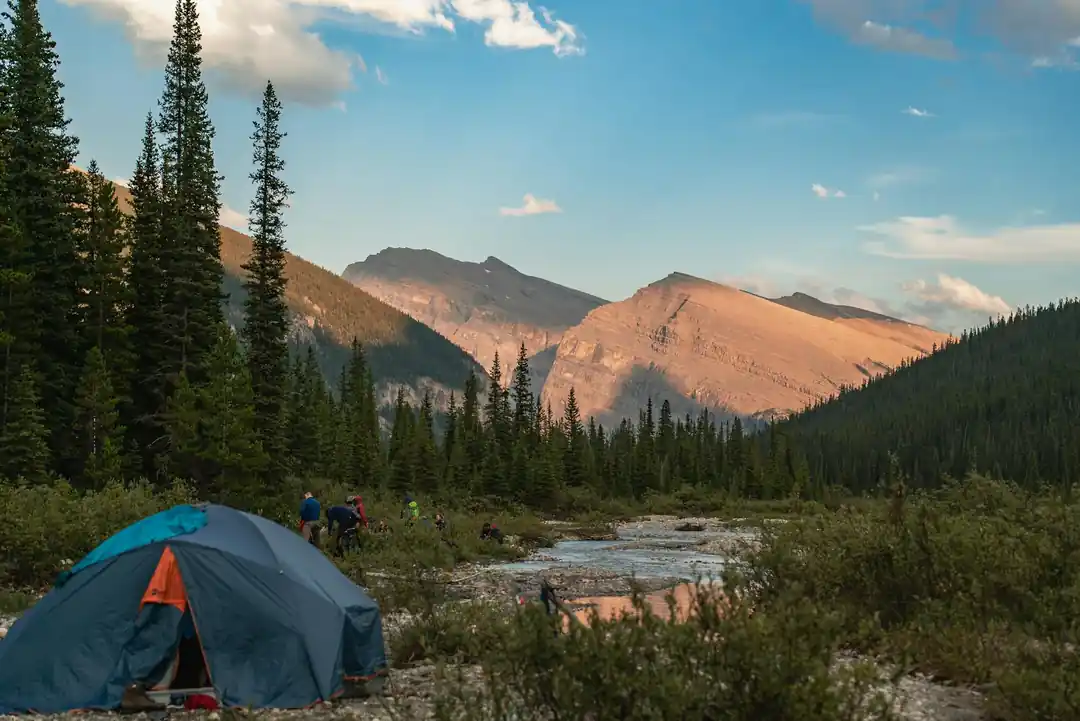
The Unwritten Rules of the North: What to Know Before Camping in Canada
Heading to the Great White North for a camping trip? It's an amazing idea. But from campfire etiquette to wildlife wisdom, here’s what you need to know before you go.

Popular Posts

Rethinking Non-Profit Promotion: Creative Strategies That Actually Drive Event Impact

How to Actually Master a New Language on Your Own (No Magic Gene Required)

The Simple Pre-Workout Fueling Strategy That Saved My Long Runs