Feeling buried by an endless stream of emails? It's time to fight back. Discover how to use automation to categorize your inbox, reduce stress, and finally get back to doing what matters.
Let’s be honest for a second. When was the last time you opened your email and felt a sense of calm? If you’re anything like me, the answer is probably somewhere between “a long time ago” and “never.” For years, my inbox was a source of constant, low-grade anxiety. It was a chaotic mix of urgent client requests, newsletters I vaguely remember signing up for, promotional deals, and a million little notifications, all screaming for my attention. It felt like a digital representation of a cluttered room, and it was draining my mental energy before the workday even truly began.
The turning point for me wasn't some iron-willed decision to be "better at email." It was the realization that I was doing it all wrong. I was manually sorting, deleting, and flagging messages, fighting a battle I could never win. The real solution wasn't more effort; it was less. It was about building a smart, automated system that could do the heavy lifting for me.
This isn't just about being tidy. It's about reclaiming your focus. Recent studies show that the average professional spends a staggering 28% of their workday on email. That’s more than two hours a day! By automating how you categorize emails, you’re not just cleaning up your inbox; you’re buying back your most valuable asset: time.
The "Why": Understanding the Cognitive Cost of a Messy Inbox
Before we dive into the "how," it's crucial to understand why a disorganized inbox is so detrimental. It’s not just about the wasted minutes spent searching for that one important message. The real damage is cognitive. Every time you glance at a cluttered inbox, your brain has to make a series of micro-decisions: What’s this? Is it important? Do I need to act on it now? Should I delete it? This process, repeated dozens or even hundreds of times a day, leads to a state of "decision fatigue." It wears you down, making it harder to concentrate on the complex, creative work that actually moves the needle.
Think of it as a constant, low-level distraction. The human brain isn't built for multitasking; it's built for single-tasking. When your inbox is a mess, you're essentially forcing your brain to context-switch every few minutes. You’re trying to write a report, but a corner of your mind is still thinking about that new email that just popped up. This fragmentation of focus is a productivity killer.
Automating your email categorization is the first step toward creating a focused digital environment. By pre-sorting messages before they even hit your main line of sight, you drastically reduce the number of decisions you have to make. You create clear boundaries, allowing you to engage with your email on your own terms, not on the terms of every sender who wants a piece of your attention.
Your First Line of Defense: Mastering Built-in Rules and Filters
You don't need to spend a dime to start your automation journey. The most powerful tools are likely already built into the email client you use every day. Whether you're on Gmail, Outlook, or Apple Mail, "rules" (or "filters" in Gmail's case) are your best friend. These are simple "if-then" commands that automatically sort your incoming mail.
For example, in Gmail, you can create a filter that says: "If an email arrives from 'newsletter@example.com,' skip the inbox and apply the label 'Newsletters'." Just like that, you've stopped a recurring, non-urgent email from ever distracting you. You can still read it later by clicking on the "Newsletters" label, but it won't interrupt your workflow. In Outlook, the process is similar. You can right-click a message, go to "Rules," and create a rule to always move messages from that sender to a specific folder.
Start by identifying the low-hanging fruit. What are the recurring emails that clutter your inbox but don't require immediate action?
- Newsletters & Subscriptions: Create a dedicated folder or label for them.
- Notifications: Think social media updates, project management alerts, or system notifications. Filter them into their own space.
- Receipts & Invoices: Automatically file them away into a "Finances" or "Receipts" folder for easy access at tax time.
Setting up just a few of these simple rules can immediately cut down your inbox traffic by 50% or more. It’s the single most effective step you can take, and it only takes about 15 minutes to get started.

Leveling Up: AI-Powered Assistants for Your Inbox
Once you've mastered the basic rules, you might be ready for the next level. This is where third-party, AI-powered tools come in. These services go beyond simple sender/keyword filters and use machine learning to understand the context of your emails and your personal habits. They are designed to be your smart email assistant.
Services like SaneBox, for instance, analyze your past behavior to determine what's important to you. It automatically moves non-urgent emails from your inbox into a separate "SaneLater" folder, which you can check at your convenience. The first time I used it, I was shocked at how accurately it identified what I considered "noise." It felt like someone had hired a personal assistant to pre-sort my mail.
Other tools, like Superhuman, are built for speed, using a keyboard-driven interface and AI features to help you process email at lightning speed. They can help you snooze emails (have them disappear and reappear later), set follow-up reminders if someone doesn't reply, and even provide social media insights about the people you're corresponding with. While these often come with a subscription fee, the productivity gains can be well worth the investment for professionals who live in their inbox.
The key is to find a tool that complements your workflow. Don't just jump on the latest trend. Start with your built-in filters, identify where you still have friction, and then look for a tool that specifically solves that problem.
Building Your System: From Categories to Action
Technology is only half the battle. The other half is building a system and the habits to support it. Having automated folders is great, but it's meaningless if you don't have a clear process for dealing with what's left. This is where a simple folder structure comes in. Many productivity experts recommend a variation of this setup:
- Inbox: This is your landing zone, but it should be temporary. The goal is to empty it every time you process email.
- Action: Emails that require a task or a detailed response go here. This is your to-do list.
- Waiting: For emails where you've delegated a task or are waiting for someone else's response. Review this folder every few days.
- Reference: For messages that contain information you might need later, but require no action (e.g., flight confirmations, project notes).
- Archive: Everything else. Once an email is dealt with, archive it. Don't delete it. Your email's search function is powerful, so you can always find it later if you need to.
Combine this structure with the habit of "batch processing." Instead of checking email constantly, set aside two or three specific times a day to process it. During these blocks, your only goal is to empty your inbox by applying the "Four Ds": Delete it, Do it (if it takes less than two minutes), Defer it (move it to your "Action" folder), or Delegate it.
This journey from a chaotic inbox to an automated, streamlined system is transformative. It’s a quiet act of self-care in a digitally noisy world. It frees up mental bandwidth you didn't even know you were losing, allowing you to pour that energy back into the work and life you truly care about. Give it a try. Your future, more focused self will thank you.

The Ultimate Family Streaming Showdown: Who Wins in 2026?
Just Landed in Seville? How to Get From the Airport to the City Center

Related Posts
 MOBILE
The Great Console Debate: How to Choose the Right Gaming System for Your Family
Feeling stuck between a Switch, a PlayStation, and an Xbox? Let's break down which gaming console is the perfect fit for your family's game nights.
 MOBILE
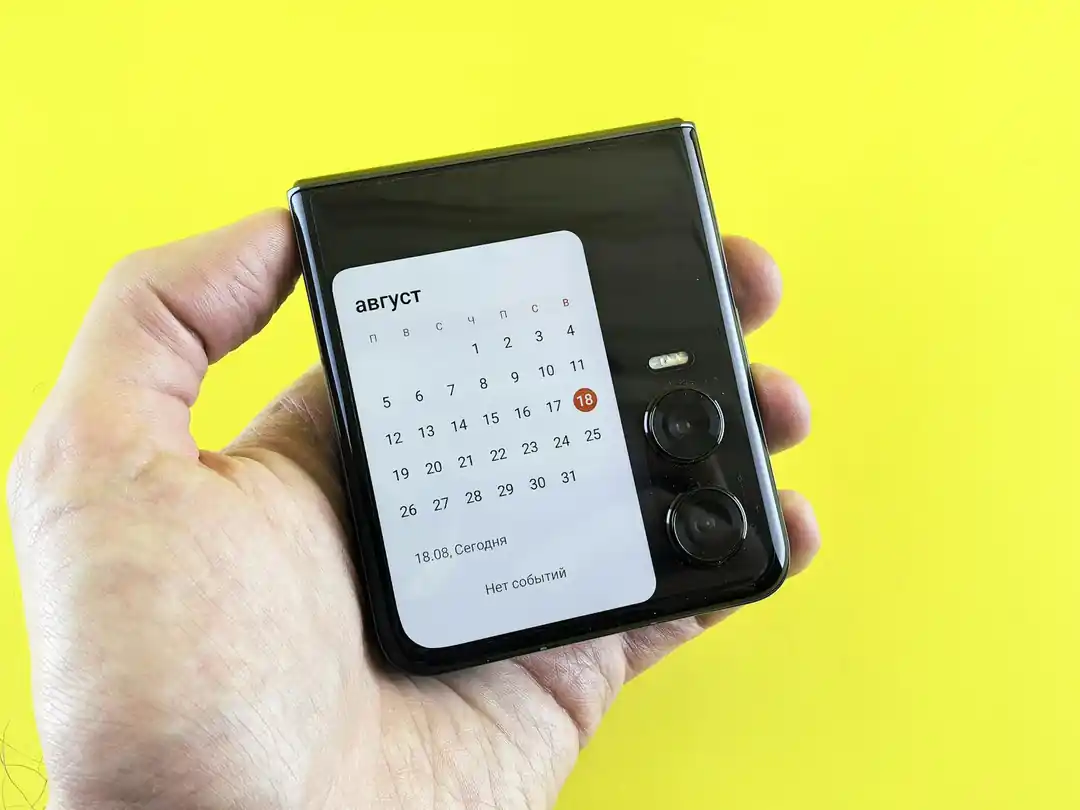
From Fragile to Formidable: The Surprising Evolution of Foldable Phone Durability
Remember when the idea of folding a smartphone screen in half felt like a disaster waiting to happen? Let's talk about how far they've come, because the story is pretty incredible.

Popular Posts

Rethinking Non-Profit Promotion: Creative Strategies That Actually Drive Event Impact

Beyond Stark White: The Best Interior Paint Colors to Light Up Your New Space

How to Actually Master a New Language on Your Own (No Magic Gene Required)
