The Unseen Enemy: How Home Organization Is Your Best Pest Control Secret
That pile of boxes in the corner? It might be doing more than just collecting dust. Discover the surprising and critical link between home organization and keeping pests out for good.
You know that feeling of deep satisfaction after a full day of cleaning and organizing? The floors are clear, the surfaces are gleaming, and every little thing has found its place. It’s a feeling of control, of peace. But what if I told you that this feeling goes deeper than just aesthetics? Honestly, I used to think that keeping a home "pest-free" was all about spraying for bugs and setting traps. It felt like a separate, reactive battle. It took me a while (and one very unfortunate mouse incident involving a forgotten box of old college sweaters) to realize that the most powerful form of pest control isn't a chemical—it's a habit.
The way we organize our homes has a direct, profound impact on whether pests see our space as a five-star resort or a place to avoid at all costs. It’s a conversation we don’t have often enough. We talk about the stress of clutter, sure. The average American home contains something like 300,000 items, a fact that I find both staggering and deeply relatable. But we rarely connect those piles of "stuff" to the unsettling scurry of a cockroach in the kitchen or the tell-tale signs of rodents in the garage.
The reality is, a cluttered home is an open invitation. It offers pests the three things they crave most: food, shelter, and water. And often, it provides these things in quiet, undisturbed corners where they can breed and thrive long before we ever even notice they’ve moved in. Shifting our mindset from reactive pest control to proactive home organization isn't just about being tidy; it's about reclaiming our homes as our own personal sanctuaries.
The Clutter-Critter Connection: Why Pests Love a Mess
Have you ever stopped to look at a pile of clutter from a pest’s point of view? That stack of old magazines and newspapers in the corner of the living room isn't just a fire hazard; it's a perfect, multi-level condo for silverfish and cockroaches, which are drawn to the cellulose in paper. Those cardboard boxes you’ve been meaning to break down in the garage? To a rodent, they are a goldmine of nesting material and a dark, safe place to hide from predators (namely, you).
Pests are masters of survival, and they are programmed to find the path of least resistance. Clutter provides exactly that. It creates dark, humid, and undisturbed environments that are ideal for breeding. A study from the National Pest Management Association often highlights that pests require harborage (a place to hide), and clutter is the most common source of it in a home. These areas are rarely cleaned, allowing dust, debris, and moisture to accumulate, creating an even more attractive environment.
Furthermore, clutter often hides the evidence. A few crumbs on a clean kitchen counter are easy to spot and wipe away. But crumbs that fall behind a stack of mail, a toaster oven that hasn't been moved in months, and other countertop clutter become a reliable food source for ants and roaches. It’s not that your home is "dirty" in the traditional sense; it’s that the disorganization is providing a hidden buffet and a network of safe highways for pests to travel unseen.
Strategic Organization: Your First Line of Defense
So, where do you even begin? The thought of decluttering an entire home can feel overwhelming, so the key is to be strategic. Focus on the three main pest hotspots: the kitchen, the garage/basement, and storage areas like closets. These are the places where food, moisture, and hiding spots are most likely to converge.
In the kitchen, the goal is to eliminate easy access to food. This means moving beyond just wiping counters. Store all pantry items like flour, sugar, cereal, and pasta in airtight containers made of glass or hard plastic. Rodents can and will chew through cardboard and plastic bags with ease. Regularly clean out your pantry, wiping down shelves to remove crumbs and spills. And don't forget the areas under and behind your appliances. That forgotten space behind the refrigerator can be a graveyard of food debris.
For garages, basements, and closets, the enemy is the cardboard box. Cardboard is not only a food source for some pests, but it also absorbs moisture, creating a damp haven. The solution is to invest in clear, plastic storage bins with secure lids. This not only protects your belongings from pests and water damage but also allows you to see what's inside, reducing the chance that a bin will sit unopened for years. Also, try to use metal or plastic shelving to keep bins off the floor. This eliminates a major hiding spot and improves airflow.
Maintaining a Pest-Resistant Home for the Long Haul
Decluttering is a fantastic first step, but the real magic happens in the maintenance. It’s about building small, consistent habits that prevent clutter from accumulating again. Think of it as a lifestyle shift rather than a one-time project. Adopt a "one in, one out" rule for new purchases to keep closets from overflowing. Spend just 15 minutes each evening doing a quick "reset" of the main living areas—putting things back where they belong, wiping down the kitchen counters, and sweeping up any crumbs.
This ongoing vigilance does more than just keep things tidy. It means you are constantly and consistently disrupting potential pest habitats. You’re letting light and air into once-dark corners. You’re removing food sources before they can be discovered. And, perhaps most importantly, you’re making it much easier to spot the early signs of a problem. A single mouse dropping is easy to see on a clear garage floor; it’s practically invisible in a cluttered one.
Ultimately, creating a home that is inhospitable to pests is about creating a space that is more peaceful and manageable for you. It’s about being the gatekeeper of your own environment. The sense of calm that comes from a well-organized home is a reward in itself, but the quiet confidence that you’re not sharing it with a hidden army of critters? That’s a peace of mind you can’t put a price on.
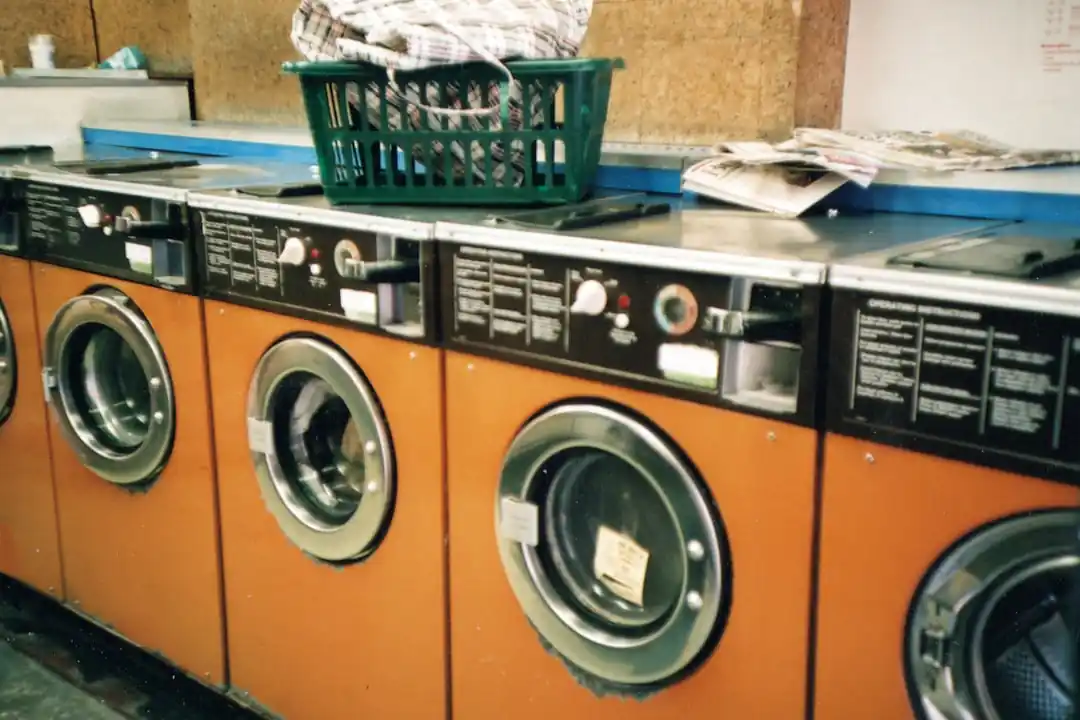
Your Washing Machine vs. Bed Bugs: The Ultimate Guide to Winning
The Unseen Guest: Minimalist Interiors for a Pest-Free Home

Related Posts
 INTERIOR IDEAS
Beyond Stark White: The Best Interior Paint Colors to Light Up Your New Space
Discover how moving away from flat white walls to soft pale blues, earthy sage greens, and cozy warm neutrals can naturally brighten your home.
 HOME IMPROVEMENT
The Honest Winter Energy Guide: How I Cut Heating Costs Without Freezing
Practical, research-backed ways to keep your home warm and your utility bills reasonable this winter, from simple DIY sealing to smart habits.

Popular Posts

Rethinking Non-Profit Promotion: Creative Strategies That Actually Drive Event Impact
Beyond Stark White: The Best Interior Paint Colors to Light Up Your New Space

How to Actually Master a New Language on Your Own (No Magic Gene Required)
