That fast-food craving is real, but so is the post-binge regret. What if you could have it all? Discover how to make delicious, healthy versions of your fast-food favorites right in your own kitchen.
It’s 7 PM on a Tuesday. The day has been long, the kind that leaves you feeling like you’ve run a marathon you didn’t sign up for. The fridge feels miles away, and the thought of chopping, sautéing, and cleaning is just… too much. And then, like a beacon in the night, you see the golden arches, the familiar logo, the promise of a hot meal in your hands in under five minutes. I’ve been there more times than I can count. The pull of fast food is magnetic, a perfect storm of convenience and engineered flavor that’s hard to resist.
But I’ve also been on the other side of that meal, about an hour later. The initial satisfaction fades, replaced by a familiar, heavy sluggishness. It’s a feeling of regret that goes beyond just the calories. It’s knowing that the meal, while convenient, was a transaction, not an experience. It filled a hole, but it didn’t truly nourish. It’s in those moments I started to wonder, could I have both? Could I satisfy that intense craving for a juicy burger or crispy fries without the accompanying guilt and energy crash?
The answer, I discovered, was a resounding yes, and it was waiting for me in my own kitchen. It turns out, recreating your fast-food favorites at home isn’t about deprivation or bland imitations. It’s an upgrade. It’s about taking the core concepts of what makes those foods so crave-able and elevating them with fresh, wholesome ingredients. It’s about taking back control and turning a moment of convenience into an act of self-care.
The Burger Revolution: Building a Better Bite
Let’s start with the undisputed king of fast food: the burger. A fast-food burger is a marvel of food science, designed for maximum flavor impact in every bite. But that impact often comes from high-fat meat, refined white buns, and sauces loaded with sugar and sodium. A 2019 study highlighted that fast-food meals are consistently high in calories and low in key nutrients, a combination that can leave you feeling unsatisfied and wanting more.
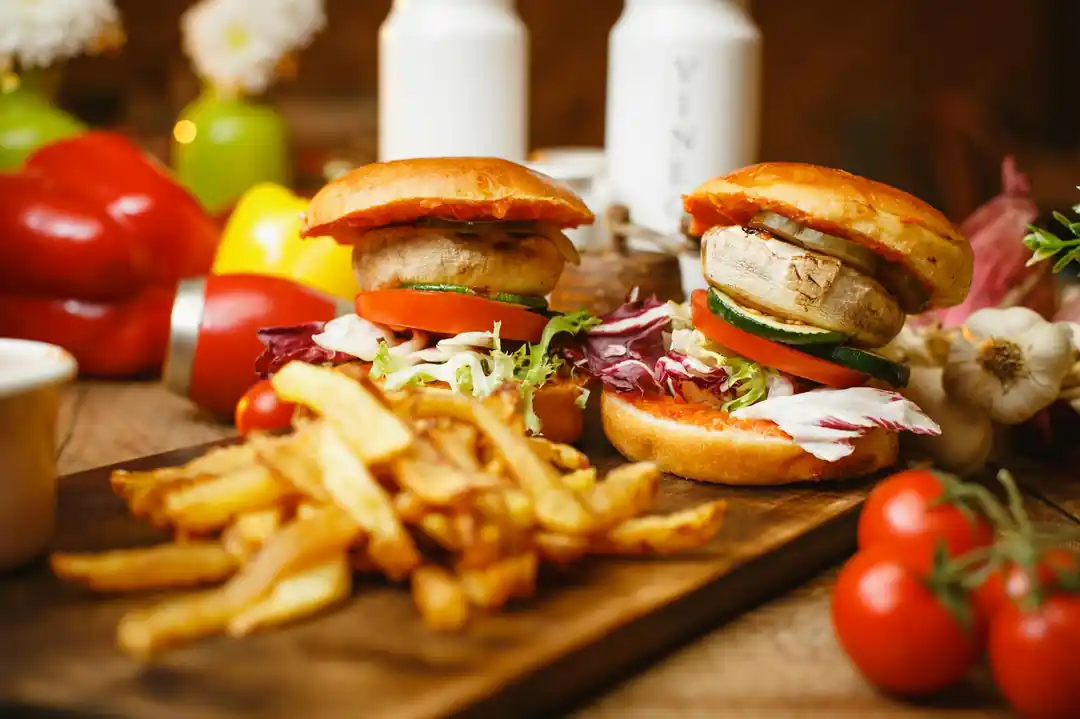
This is where the homemade burger changes the game entirely. Think of yourself as a burger artisan. Your first move? Upgrade the patty. Instead of mystery meat, you can choose high-quality, lean ground beef (90/10 is a great choice), ground turkey, or even chicken. Or, go plant-based! A homemade black bean and corn patty, seasoned with cumin and chili powder, is unbelievably satisfying. I’ve even made incredible patties from mushrooms and walnuts, pulsed in a food processor until they have a meaty texture. The key is seasoning—don’t be shy with garlic powder, onion powder, a pinch of smoked paprika, and good old salt and pepper.
Next, the bun. That flimsy white bun? Banish it. A sturdy whole-wheat bun adds fiber and a nutty flavor that complements the patty beautifully. Toasted brioche buns are a more decadent option for a weekend treat. Or, for a low-carb approach that’s surprisingly delicious, use crisp lettuce cups or two large portobello mushroom caps as your bun. Pile it high with fresh toppings: juicy tomato slices, crisp red onion, creamy avocado, and a handful of spinach. A simple swap for the sugary sauce is a mix of Greek yogurt, a little Dijon mustard, and fresh dill. It’s a complete transformation, from a greasy afterthought to a gourmet centerpiece.
The Great Fry Debate: Baked, Not Fried
A burger without fries feels like a sentence without a period. They are the ultimate sidekick, but their traditional preparation method—a deep-fry bath in processed oils—is their nutritional downfall. The high heat of deep-frying can create harmful compounds, and the amount of oil they absorb is staggering. But achieving that addictive crispy-on-the-outside, fluffy-on-the-inside texture is entirely possible without a single drop of deep-frying oil.
Welcome to the world of oven-baking and air-frying. The humble potato transforms when tossed with a minimal amount of heart-healthy olive oil and roasted at high heat (around 425°F or 220°C). The trick is to cut the potatoes into uniform sticks, pat them completely dry, and spread them in a single layer on a baking sheet so they have room to crisp up rather than steam. Season them with whatever you like—rosemary and garlic, a spicy Cajun blend, or just sea salt.
And who says fries have to be made from potatoes? Sweet potatoes make for a phenomenal alternative, offering a boost of Vitamin A and a lovely sweetness. But don’t stop there. Carrots, parsnips, zucchini, and even avocado slices can be turned into delicious, crispy "fries." I recently made a batch of asparagus fries coated in a little almond flour and Parmesan cheese, and they were a revelation. The possibilities are endless, and the result is a side dish that delivers all the satisfaction with none of the greasy regret.
Pizza Night, Perfected
Pizza night is a sacred ritual in many households, but dialing for delivery often means a greasy box filled with a heavy, refined-flour crust, a blanket of processed cheese, and sodium-heavy toppings. It’s delicious, no doubt, but it can often feel like a gut bomb. Making pizza at home, however, is not only incredibly fun but also allows you to create a pie that’s as nourishing as it is tasty.
The crust is your canvas. You can start with a store-bought whole-wheat dough for convenience, or make your own—it’s easier than you think! For a gluten-free and veggie-packed alternative, a cauliflower crust is a game-changer. You can also use whole-wheat tortillas or pitas for quick, personal-sized pizzas. Swap the sugary jarred sauce for a simple purée of canned tomatoes, a clove of garlic, and a pinch of oregano.
This is your chance to paint with vegetables. Load it up! Sliced bell peppers, mushrooms, onions, olives, artichoke hearts, and fresh spinach not only add incredible flavor and texture but also a wealth of vitamins and fiber. Be mindful of the cheese; a moderate amount of fresh mozzarella goes a long way. For a final flourish, top your creation with a sprinkle of red pepper flakes and some fresh basil leaves after it comes out of the oven. It’s a pizza that tastes vibrant and fresh, leaving you feeling energized, not exhausted.
Ultimately, this journey back into the kitchen isn't about perfectly replicating fast food. It's about understanding what we love about it—the comfort, the flavor, the satisfaction—and realizing we have the power to create a far superior version ourselves. It’s about the simple, profound joy of transforming raw ingredients into a meal that tastes incredible and makes you feel even better. I hope you find as much happiness in your own kitchen creations as I have in mine.

The Fed’s Whisper: How Federal Interest Rate Changes Affect Your Savings
That Sinking Feeling: A Travel Warning Was Just Issued for Your Dream Trip. Now What?

Related Posts
 COOKING TIPS
Is Your Kitchen Safe? The Best Way to Check for Food Recalls at Home
That feeling of uncertainty when you hear about a food recall is all too common. Let's walk through the simple, effective ways to stay informed and keep your family safe.
 RECIPES
Beyond Peanut Butter: 7 Healthy & Delicious Sandwich Spreads You'll Love
Tired of the same old PB&J? Let's explore some incredible, nutrient-packed alternatives to peanut butter that will completely revitalize your lunch routine.

Popular Posts

Rethinking Non-Profit Promotion: Creative Strategies That Actually Drive Event Impact

Beyond Stark White: The Best Interior Paint Colors to Light Up Your New Space

How to Actually Master a New Language on Your Own (No Magic Gene Required)