More Than Just a Label: The Real-World Benefits of an Energy-Efficient Home
We've all seen the ENERGY STAR stickers, but what do they really mean for your wallet and your lifestyle? It turns out, the benefits go way beyond just saving a few bucks.
Let’s be honest, appliance shopping can be a drag. You walk into a giant store, faced with rows of stainless steel giants, and the biggest immediate difference seems to be the price tag. It’s so tempting to just go for the cheapest option that looks decent and call it a day. I’ve been there. For years, I figured the "energy-efficient" models were mostly marketing hype designed to get a few extra hundred dollars out of my pocket.
But then I started paying closer attention to my utility bills. That slow, creeping dread each month as I opened the envelope (or, let's be real, the email) made me wonder. Could a different refrigerator or dishwasher really make a dent? I started doing some digging, and what I found genuinely surprised me. The benefits of switching to energy-efficient appliances, especially those with the little blue ENERGY STAR logo, aren't just a myth. They're tangible, impactful, and stretch far beyond that monthly power bill.
It’s a quiet revolution happening in our homes. We’re not just buying tools to wash our clothes or keep our food cold anymore. We’re investing in a smarter, more sustainable lifestyle. And honestly, once you see the full picture, it’s a change that feels less like a sacrifice and more like a no-brainer.
The Most Obvious Win: Slashing Your Energy Bills
Okay, let's start with the headliner: saving money. This is the reason most people even start considering energy efficiency, and for good reason. Your home appliances are some of the biggest energy hogs in your house. That old refrigerator humming away in the garage? The dishwasher you run every night? They add up. According to the U.S. Department of Energy, appliances account for a significant chunk of your household's energy consumption.
This is where ENERGY STAR-certified appliances come in. They are independently certified to save energy without sacrificing features or performance. For example, a certified refrigerator is about 9 percent more energy-efficient than a standard model. A certified clothes washer uses about 25% less energy and a whopping 33% less water. When you think about how many loads of laundry you do in a year, that water and energy savings starts to look pretty substantial.
I read a fascinating breakdown that put it in perspective. Over the lifetime of the appliance, the savings on your utility bills can often more than pay for the initial price difference. So while you might pay a little more upfront, you're essentially pre-paying for future energy savings. It’s a long-term investment. Plus, many local utility companies and even state governments offer rebates and tax credits for purchasing these models, which can shrink that initial price difference even more. It's absolutely worth a quick search to see what's available in your area before you buy.
Beyond the Wallet: A Lighter Footprint on the Planet
While saving money is a fantastic motivator, the environmental benefits are what really sealed the deal for me. It feels good to know that a choice I make for my own home can have a positive ripple effect. When we use less energy, we reduce the demand on power plants, which in turn cuts down on greenhouse gas emissions and other pollutants. It’s a direct line from your kitchen to a healthier planet.
Think about it this way: if every appliance purchased in the U.S. this year were ENERGY STAR certified, the energy savings would prevent more than 130 billion pounds of greenhouse gas emissions. That’s equivalent to the emissions from 13 million cars. That's a staggering number, and it’s built one household at a time. Our individual choices, when multiplied by millions, create a powerful force for change.
It’s not just about electricity, either. Water conservation is a huge piece of the puzzle, especially in drier parts of the country. An energy-efficient dishwasher can save thousands of gallons of water over its lifespan compared to an older model. Modern front-loading washing machines use a fraction of the water that old top-loaders did. By choosing these appliances, we’re helping to preserve our natural resources for future generations, which is a legacy I think we can all be proud of.
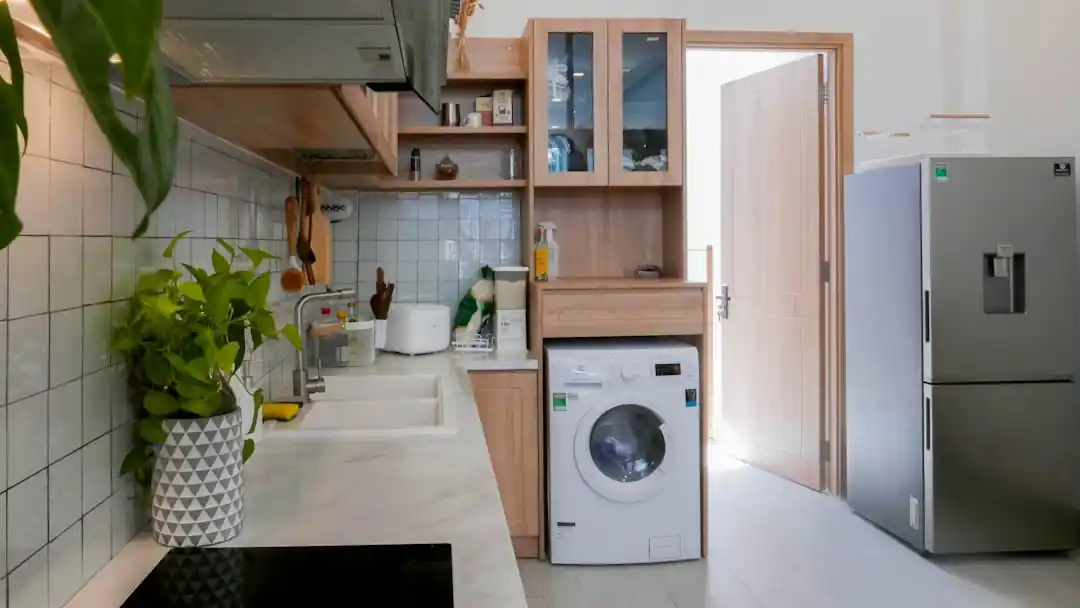
The Unseen Perks: A Quieter, Smarter, and Better Home
Here’s something I didn’t expect: the quality-of-life improvements. I used to think "efficient" was code for "weaker." I couldn't have been more wrong. Because these appliances are built with newer technology and better insulation, they often work better and are significantly quieter than their energy-guzzling predecessors. My new dishwasher is so quiet I sometimes have to check if it’s actually running.
This advanced technology also brings smarter features. Many new refrigerators have better temperature and humidity controls, which means your produce stays fresh longer, cutting down on food waste (and saving you even more money!). Washing machines have advanced sensors that adjust the water level and cycle time based on the size of the load, so you’re not wasting resources on small washes. They clean better, they’re more convenient, and they’re designed for the way we live today.
Ultimately, upgrading your appliances is an investment in the comfort and value of your home. It makes your daily routines a little smoother, a little quieter, and a lot more responsible. It’s a choice that pays you back every single day, in ways you can count at the bank and in ways you can feel in the quiet hum of a well-run, thoughtful home. And that’s a benefit you can’t put a price tag on.

Unlocking Space: Clever Design Tricks to Make Your Small Living Room Feel Grand
That Gurgling Sound: What Your House is Trying to Tell You

Related Posts
 INTERIOR IDEAS
Beyond Stark White: The Best Interior Paint Colors to Light Up Your New Space
Discover how moving away from flat white walls to soft pale blues, earthy sage greens, and cozy warm neutrals can naturally brighten your home.
 HOME IMPROVEMENT
The Honest Winter Energy Guide: How I Cut Heating Costs Without Freezing
Practical, research-backed ways to keep your home warm and your utility bills reasonable this winter, from simple DIY sealing to smart habits.

Popular Posts

Rethinking Non-Profit Promotion: Creative Strategies That Actually Drive Event Impact
Beyond Stark White: The Best Interior Paint Colors to Light Up Your New Space

How to Actually Master a New Language on Your Own (No Magic Gene Required)
