Your Guide to a Greener Future: Diving Into Online Environmental Science Courses
Thinking about making a real-world impact from your keyboard? Exploring online environmental science courses might be the most important first step you take.
Have you ever found yourself scrolling through news about climate change, plastic pollution, or deforestation and feeling a mix of concern and helplessness? It’s a common feeling. There's this growing, collective ache to do something, to understand the complex systems that govern our planet and to find our place in protecting them. For a long time, I thought that kind of deep, scientific understanding was locked away in university labs and accessible only to those pursuing a formal degree. But that landscape has completely changed.
Honestly, the rise of high-quality online education has been a game-changer. It has democratized knowledge in a way that was unimaginable just a couple of decades ago. Today, anyone in the US with a laptop and a spark of curiosity can start a journey into environmental science. These aren't just watered-down lectures; we're talking about comprehensive courses from world-class universities and institutions, designed to be flexible, engaging, and, most importantly, incredibly enlightening.
It’s about more than just satisfying a curiosity. It's about empowerment. Gaining this knowledge gives you a new lens to see the world, turning abstract anxieties into concrete concepts you can grasp, discuss, and act upon. It’s the first step from being a passive observer to an informed participant in one of the most critical conversations of our time.
Why Environmental Science? And Why Online?
So, what makes environmental science such a compelling field to dive into right now? At its core, it's the science of interconnectedness. It’s not just about trees and endangered species; it’s a deeply interdisciplinary field that weaves together biology, chemistry, geology, and even sociology and economics to understand how the natural world works and how human societies impact it. Taking a course is like getting a backstage pass to the planet's most intricate operations.
The "online" part is where the magic really happens for most of us. Let's be real: life is busy. Committing to a traditional, in-person class schedule is a huge barrier for many. Online courses offer the flexibility to learn on your own terms—on your lunch break, after the kids are in bed, or on a quiet weekend morning. This format allows you to absorb complex topics at your own pace, re-watching lectures and diving deeper into areas that fascinate you most.
Furthermore, recent data shows that the demand for expertise in this area is growing. The U.S. Bureau of Labor Statistics projects that employment for environmental scientists and specialists will grow faster than the average for all occupations in the coming decade. While you might not be looking for a career change, this trend highlights a broader societal shift: we need more people, in every industry and community, who are literate in the language of environmental science.
What to Look For in a Beginner's Course
Navigating the vast sea of online courses can be a bit overwhelming. How do you separate the truly valuable from the superficial? For beginners in the US, I’ve found it’s best to focus on a few key criteria. First and foremost, look at the provider. Is it a reputable university, a well-regarded institution like a museum, or a trusted educational platform? Instructors with strong academic and field credentials are a must.
Next, examine the syllabus. A good introductory course should cover the fundamental pillars of the discipline. Look for topics like ecology (the relationships between living organisms), biodiversity, earth systems (atmosphere, hydrosphere, etc.), population dynamics, and key environmental challenges like pollution, climate change, and resource management. Many of the best courses, like those found on platforms such as Coursera or edX, are often structured as a "specialization" or a series of modules, allowing you to build a comprehensive foundation step-by-step.
Finally, consider the learning style. Do you learn best by watching lectures, or do you need hands-on activities? Many online courses now include virtual labs, data analysis projects, and active discussion forums. These interactive components are crucial for turning passive knowledge into active understanding. For example, a course from a top-tier university like Dartmouth College, often available on edX, not only provides lectures but also teaches you how to approach environmental problems like a scientist.

From Knowledge to Action: How a Course Changes You
The most profound impact of studying environmental science isn't just the accumulation of facts; it's the fundamental shift in your perspective. The principles of sustainability, the flow of energy through an ecosystem, the life cycle of the products you buy—these concepts move from the abstract to the tangible. You start connecting the dots between your daily choices and their broader environmental consequences.
This newfound literacy empowers you in countless ways. You become a more discerning consumer, a more effective advocate for local green initiatives, and a more confident participant in conversations about environmental policy. You learn to critically evaluate news stories and political claims about the environment, armed with a foundational understanding of the science behind them.
Ultimately, this journey is about more than just learning; it's about hope. It’s easy to feel overwhelmed by the scale of the challenges our planet faces. But education is the antidote to despair. By understanding the problems, you also begin to see the solutions and the incredible work being done by scientists, innovators, and everyday people around the world. You become part of that story of hope and action, ready to contribute in your own unique way. Your journey to making a difference can truly begin with a single click.
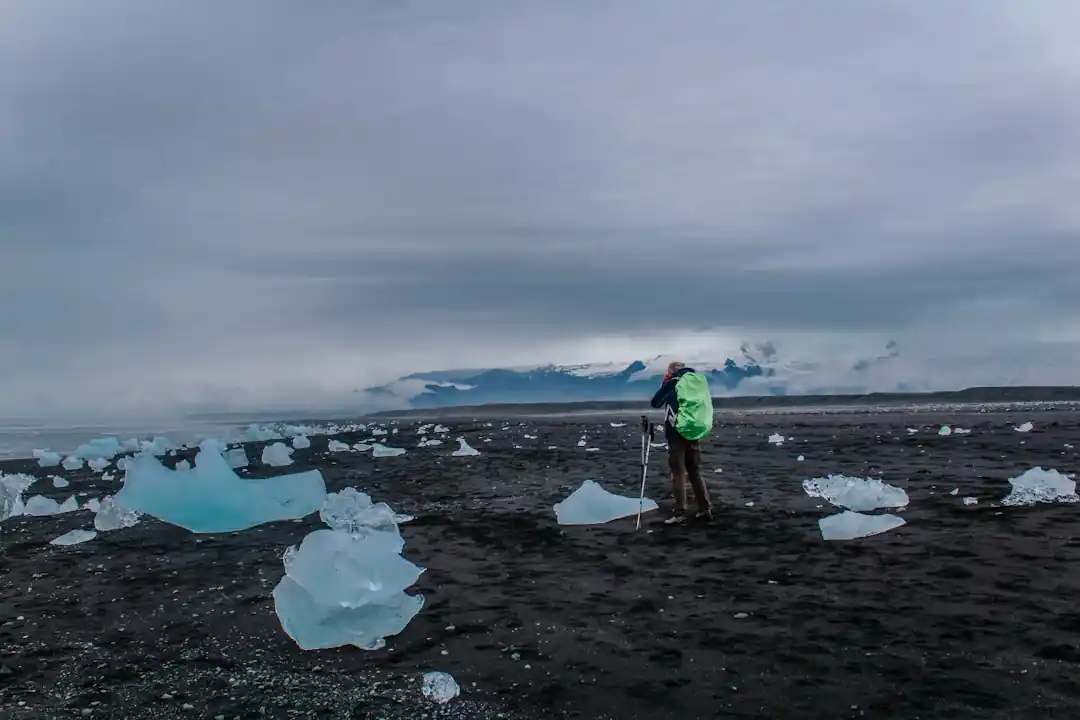
So You Have a Climate Science Degree. Now What?
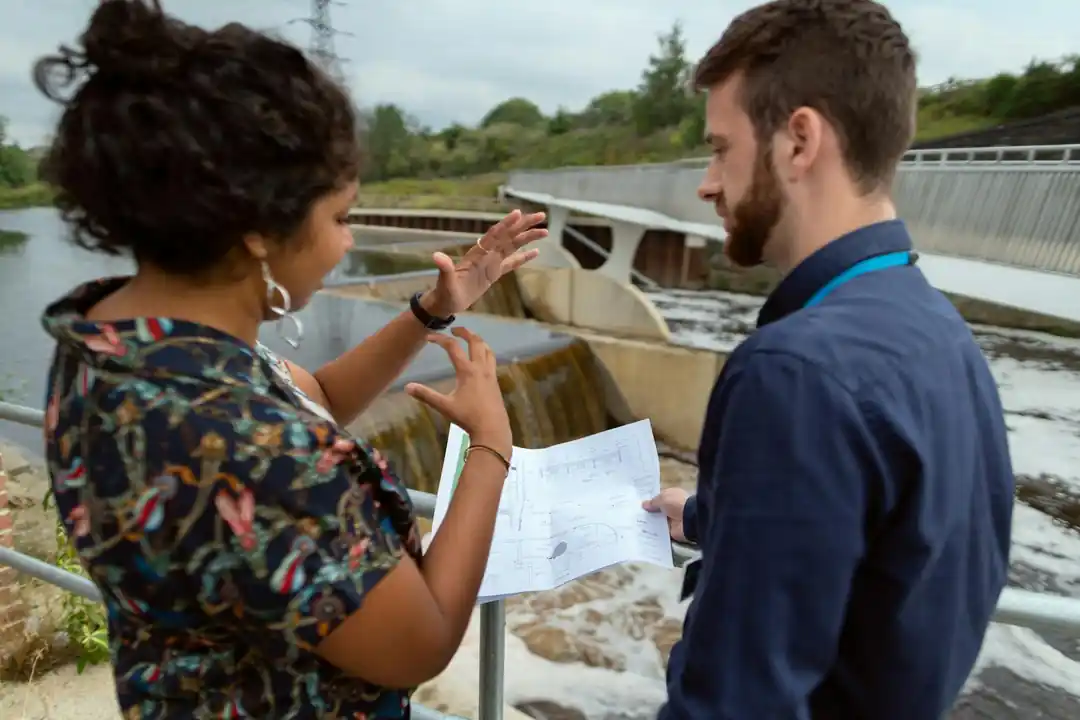
Level Up Your Impact: The Best Professional Certifications for Sustainability and Climate Change
Related Posts
 LANGUAGES
How to Actually Master a New Language on Your Own (No Magic Gene Required)
Discover research-backed self-study strategies to break through fluency plateaus, build real confidence, and learn a new language on your own terms.
 STUDY TIPS
Your Unshakeable Foundation: Understanding the Most Important Legal Rights for US Citizens
Ever wonder what truly protects you as a American citizen? Let's dive into the fundamental legal rights that form the bedrock of our society, making sure you know your power.

Popular Posts

Rethinking Non-Profit Promotion: Creative Strategies That Actually Drive Event Impact

Beyond Stark White: The Best Interior Paint Colors to Light Up Your New Space
How to Actually Master a New Language on Your Own (No Magic Gene Required)