Even in the Sunshine State, a sudden drop in temperature can throw a wrench into daily commutes. Let's explore how Florida's public transportation systems cope when the mercury takes an unexpected dive.
When you think of Florida, what comes to mind? Sunshine, beaches, theme parks, and maybe the occasional hurricane. What probably doesn't make the list is cold weather. Yet, every so often, a polar vortex dips south, and suddenly, Floridians are digging out sweaters they forgot they owned. While it's a novelty for many, these cold snaps can have a real and surprising impact on a system not always built for the cold: public transportation.
It’s a strange thought, isn't it? We expect blizzards to shut down subways in Boston or New York, but a 35-degree morning in Miami or Orlando? It turns out that infrastructure designed for relentless heat and humidity can face its own unique set of challenges when the temperature plummets. It’s not about snowplows, but about the subtle, mechanical realities of running a transit system in a place where "winter" is more of a concept than a season.
From the rails of commuter trains to the engines of city buses, the cold introduces variables that operators rarely have to consider. It’s a fascinating look at how regional infrastructure is so specifically tailored to its environment, and how even a slight deviation from the norm can force adaptation and reveal vulnerabilities we never knew existed.
The Unseen Challenges for City Buses
For the thousands of people who rely on buses for their daily commute, a cold morning in Florida can mean more than just a chilly wait at the stop. The vehicles themselves, optimized for dissipating heat, can be slow to warm up. This isn't just a matter of passenger comfort; engine fluids and lubricants can become more viscous in the cold, potentially leading to sluggish performance right after leaving the depot.
Moreover, while Florida buses are well-equipped with powerful air conditioning, their heating systems are often less robust than their northern counterparts. A system that's only used a few days a year might not be as rigorously maintained. This can lead to a surprisingly cold ride, as the bus doors constantly open and close, letting in blasts of frigid air that the heater struggles to overcome.
Then there's the human element. Cold weather often leads to increased traffic as more people opt to drive rather than walk or bike. This clogs the roads, slowing down bus routes and causing cascading delays across the network. A recent report I read noted that during a cold snap in Jacksonville, bus ridership saw a slight dip, but on-time performance was impacted more by the increase in surrounding car traffic than by any mechanical issues with the buses themselves. It’s a ripple effect that starts with a simple drop in temperature.
When Steel Gets Cold: The Impact on Rail Lines
Florida's growing rail networks, like SunRail in Central Florida and Brightline connecting Miami, Fort Lauderdale, and West Palm Beach, face a different set of cold-weather problems. Steel contracts in the cold, and while this is a known factor in railway engineering everywhere, it can cause specific issues in a system that rarely experiences significant temperature swings.
The most common issue is with the switches—the mechanical points that guide a train from one track to another. In colder climates, these switches are often equipped with heaters to prevent them from freezing solid. In Florida? Not so much. A sudden, hard frost can be enough to jam a switch, causing significant delays as maintenance crews are dispatched to manually thaw them. I found an article from a few years back detailing how a rare freeze warning in the Orlando area prompted SunRail to run a few empty "test" trains overnight just to keep the tracks and switches from seizing up.
This isn't just about ice, either. The contraction of the rails themselves can, in very rare instances, lead to what's known as a "pull-apart," where a gap opens up in the track. Automated sensors are designed to detect this for safety, but it still requires a halt in service for repairs. It’s a reminder that even the most robust infrastructure is in a constant, subtle dance with the elements.
A Ripple Effect on the Sunshine State's Commuters
Ultimately, the impact of cold weather on Florida's public transit is a story of adaptation. It highlights the state's unique position as a subtropical region that must occasionally contend with temperate climate problems. While the disruptions are rarely as dramatic as a snowstorm shutdown, they affect real people in tangible ways.
A delayed bus can mean being late for work. A canceled train can throw an entire day's plans into disarray. For those who rely on public transit as their only means of getting around, these "minor" inconveniences can be a major source of stress. It’s a good lesson in humility and preparedness.
As Florida continues to grow and invest in its public transportation networks, these occasional cold snaps serve as a valuable, if uncomfortable, stress test. They push operators to think about resilience in all conditions, not just the hot and stormy ones. And for the rest of us, it’s a gentle reminder to maybe keep a warmer jacket handy. You just never know when you'll need it at a chilly Florida bus stop.
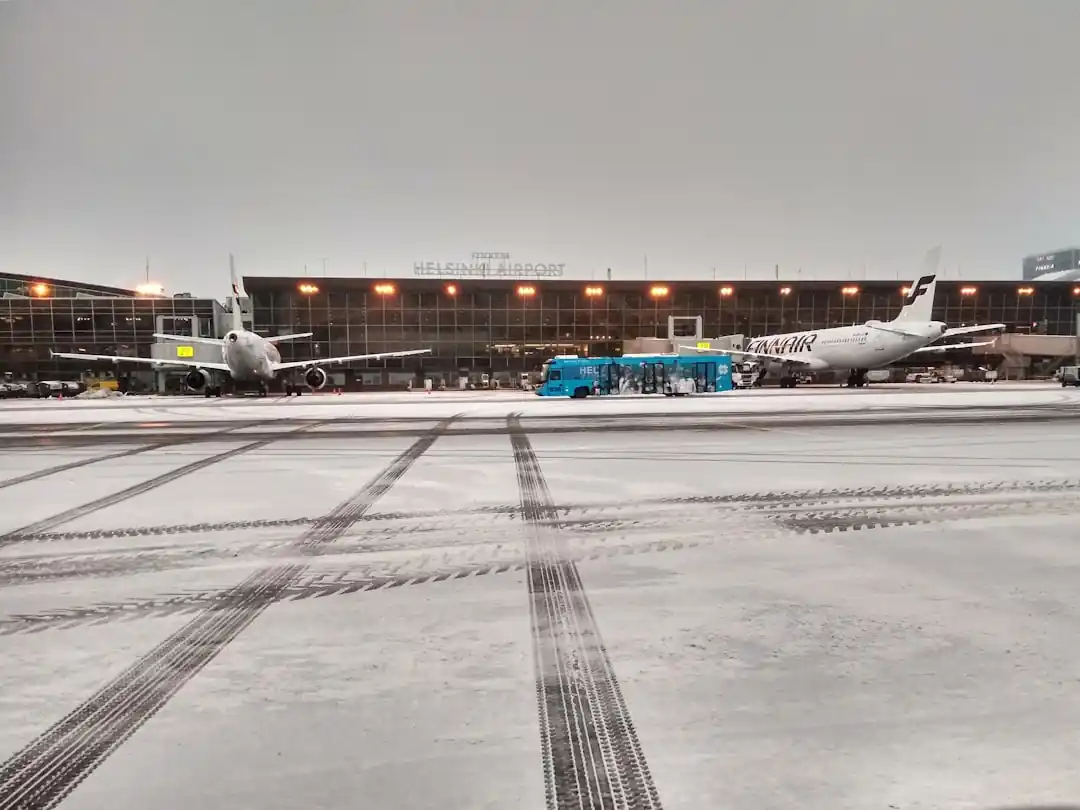
When Sunshine Meets Snow: Are Florida Airports Ready for Winter's Surprise?
Florida's Frosty Surprises: Cozy Escapes for Those Rare Cold Days

Related Posts
 TRANSPORT
Beyond the Highway: Finding Canada's Soul on a Western Rail Adventure
Forget road trips. I'm talking about rediscovering the romance of travel on Via Rail's most scenic routes through the heart of the Canadian West. It’s an experience that changes you.
 TRAVEL TIPS
The Unwritten Rules of the North: What to Know Before Camping in Canada
Heading to the Great White North for a camping trip? It's an amazing idea. But from campfire etiquette to wildlife wisdom, here’s what you need to know before you go.

Popular Posts

Rethinking Non-Profit Promotion: Creative Strategies That Actually Drive Event Impact

Beyond Stark White: The Best Interior Paint Colors to Light Up Your New Space

How to Actually Master a New Language on Your Own (No Magic Gene Required)
