Davos on a Dime: How to Visit the Swiss Alps Without Breaking the Bank
Forget the winter crowds and billionaire buzz. Discovering Davos in the off-season is the secret to an affordable, breathtaking Swiss Alps adventure. Here's how to do it.
Let’s be honest. When you hear "Davos," your mind probably jumps to two things: world leaders discussing global economics, and eye-wateringly expensive ski resorts. For the longest time, I filed it away in my mental "someday, maybe, if I win the lottery" travel folder. The Swiss Alps felt like a dream that was financially out of reach. But what if I told you there's a backdoor to this alpine paradise? A way to experience the same jaw-dropping scenery, breathe the same crisp mountain air, and hike the same epic trails, all for a fraction of the cost.
The secret is simple: go when nobody else does. The off-season in Davos—that quiet, magical window in late spring or, my personal favorite, early autumn—is a game-changer. The town sheds its fur-coated, high-gloss winter persona and reveals something far more authentic and, frankly, more beautiful. The boisterous energy of the ski season fades into a peaceful hum, the trails empty out, and the entire valley seems to take a deep, collective breath.
I decided to test this theory, booking a trip for late September. The difference was staggering. Not only were flights and accommodation significantly cheaper, but the experience on the ground was richer. Instead of navigating crowded slopes, I had entire hiking paths to myself. Instead of paying premium prices for a hot chocolate, I was discovering cozy local bakeries. It was the Switzerland I had always dreamed of, and it was surprisingly affordable.
Why the Off-Season is the Smart Season
The most obvious perk of visiting Davos between peak seasons is the financial relief. Hotel prices can plummet by as much as 50% or more compared to the high winter season. That luxury hotel you were eyeing might suddenly fall within budget, or you could snag a charming guesthouse for the price of a basic motel room in January. This isn't just about accommodation; everything from gear rental to restaurant deals becomes more competitive.
But the benefits go far beyond your wallet. The off-season, particularly autumn, is arguably when the region is at its most stunning. The larch forests that blanket the mountainsides turn a brilliant, fiery gold, creating a breathtaking contrast with the deep green pines and the first dusting of snow on the highest peaks. The light is softer, the air is crisper, and the landscape feels alive with color. It’s a photographer’s dream and a hiker’s paradise.
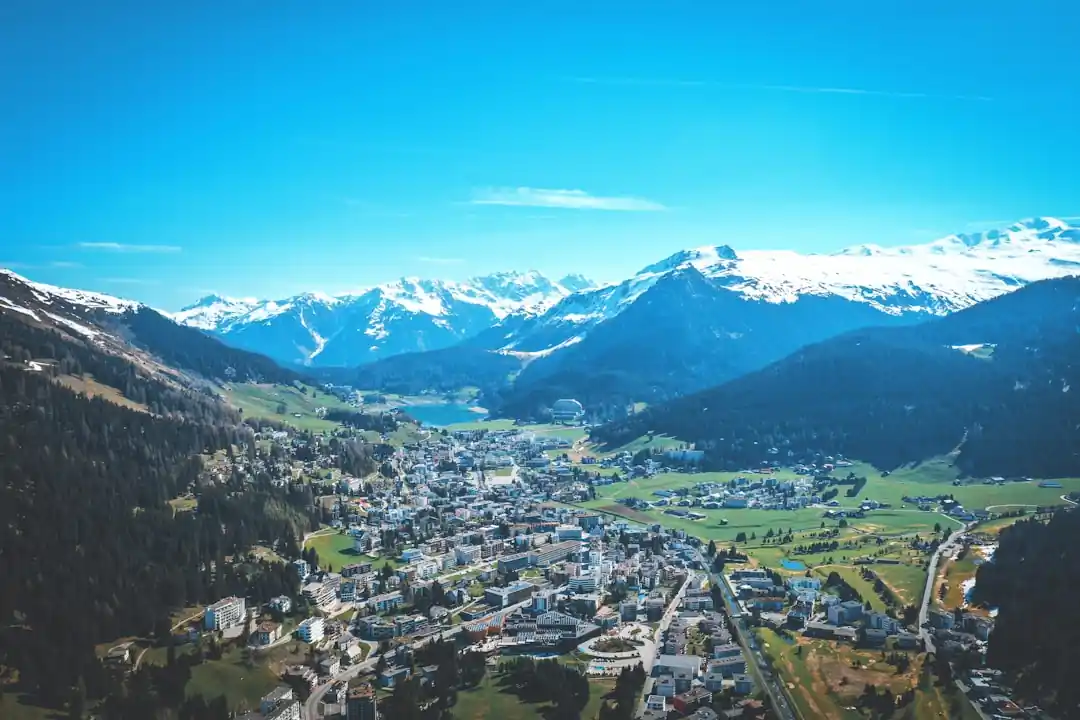
There’s also a profound sense of peace. You get to experience the town as the locals do. You can wander through the streets of Davos Platz, pop into shops without feeling rushed, and find a quiet spot by Lake Davos to just sit and soak in the views. It’s a more intimate and personal way to connect with this iconic alpine destination, far from the hustle and bustle that defines its peak periods.
Your Budget-Friendly Game Plan
So, how do you actually pull off a budget trip to Davos? It comes down to a few key strategies. First, embrace self-catering. Renting an apartment or a chalet with a kitchen is the single biggest money-saver. Swiss restaurants are notoriously expensive, and being able to cook your own breakfast and prepare packed lunches for your hikes will save you a fortune. Supermarkets like Coop and Migros are your best friends—they offer excellent quality produce, fresh bread, and local cheeses that are perfect for a mountain picnic.
Second, become a master of public transport. When you stay in any official tourist accommodation, you’ll receive the Davos Klosters Premium Card. This little piece of plastic is your golden ticket. It provides free travel on the local bus network and, most importantly, massive discounts on the mountain railways. This means you can get to high-altitude trailheads without paying the full, steep price for a cable car, which can easily be $30-$50 for a single round trip.
Finally, remember that nature is free. The best things to do in Davos in the off-season don't cost a franc. Hiking is the main event, with 700 kilometers of well-marked trails. You can take a gentle walk through the golden Dischma or Sertig valleys, challenge yourself with a climb up to a mountain hut, or simply stroll around the beautiful Lake Davos. The views, the fresh air, and the incredible sense of accomplishment after a day on the trails are priceless.
Don't Miss These Off-Season Adventures
While hiking will be the main attraction, there's more to a budget-friendly Davos trip. Biking is huge here, with trails for all levels. You can rent a mountain bike and tackle some of the same mountains you'd ski in winter, or opt for an e-bike to cruise through the valleys with ease.
For a rainy day, the Eau-là-là wellness center offers a more affordable entry to its indoor pool than the full spa experience. Or, you can dive into the area's history at the Kirchner Museum, which showcases the work of the German Expressionist artist Ernst Ludwig Kirchner, who lived in Davos for 20 years.
Ultimately, visiting Davos in the off-season is about shifting your perspective. It’s about trading the glamour of the ski season for the golden tranquility of autumn. It’s about realizing that the true luxury of the Swiss Alps isn't found in expensive hotels or exclusive clubs, but in the silent grandeur of the mountains themselves. And that’s an experience that’s available to everyone, no matter your budget.
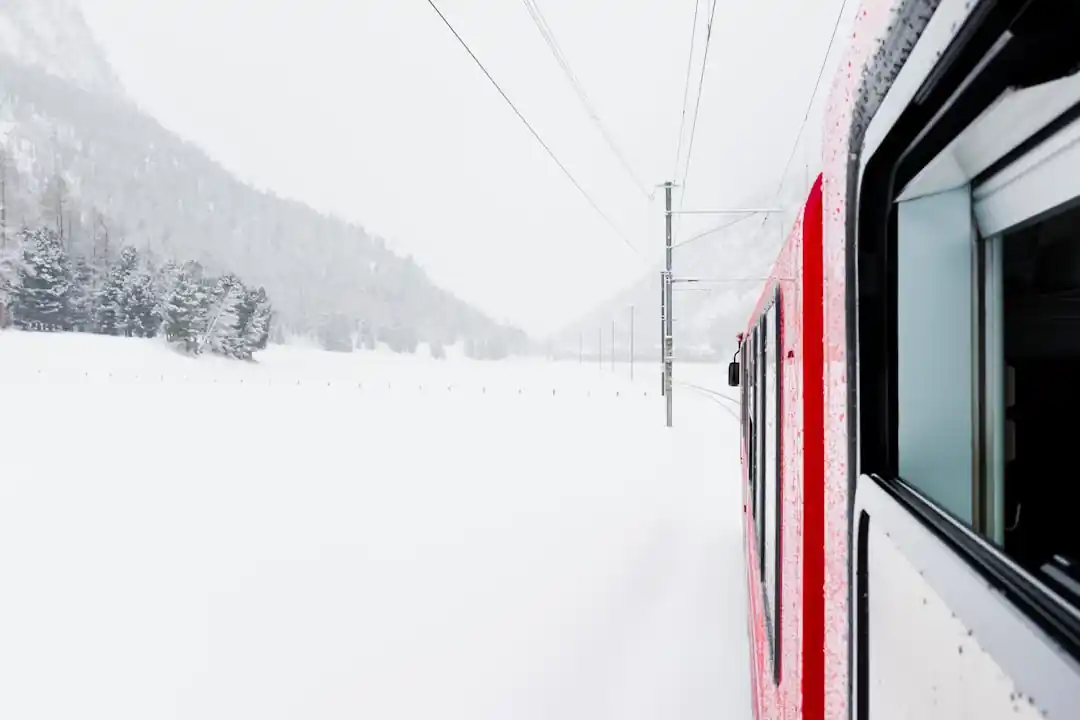
The Ultimate Scenic Train Journey to Davos
The Ultimate Davos Ski Trip Packing Guide: From Slopes to Fireside Chic
Related Posts
 TRANSPORT
Beyond the Highway: Finding Canada's Soul on a Western Rail Adventure
Forget road trips. I'm talking about rediscovering the romance of travel on Via Rail's most scenic routes through the heart of the Canadian West. It’s an experience that changes you.
 TRAVEL TIPS
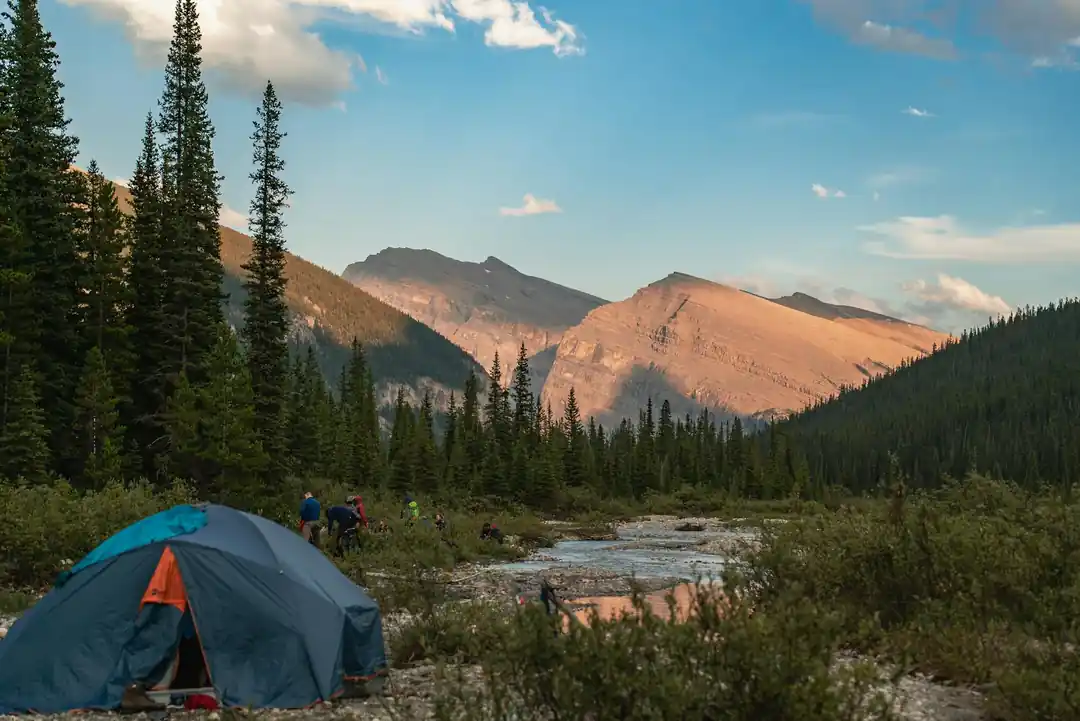
The Unwritten Rules of the North: What to Know Before Camping in Canada
Heading to the Great White North for a camping trip? It's an amazing idea. But from campfire etiquette to wildlife wisdom, here’s what you need to know before you go.
Popular Posts

Rethinking Non-Profit Promotion: Creative Strategies That Actually Drive Event Impact

Beyond Stark White: The Best Interior Paint Colors to Light Up Your New Space

How to Actually Master a New Language on Your Own (No Magic Gene Required)
