Ever wonder how to truly keep your food safe from unseen dangers? It all boils down to four simple, yet powerful, steps that can transform your kitchen into a fortress against foodborne illness.
There’s a certain peace of mind that comes with preparing a meal for yourself or your loved ones, isn't there? The aroma filling the kitchen, the sizzle of ingredients – it’s all part of the joy. But lurking beneath that comforting surface is a silent, invisible threat: foodborne illness. Honestly, it’s something we often don’t think about until it’s too late, but the statistics are a stark reminder. The CDC estimates that each year, millions of people get sick from foodborne illnesses, with thousands hospitalized and even some deaths. It’s a sobering thought, especially when you realize that many of these incidents are entirely preventable right in our own homes.
I used to be a bit lax, I'll admit. A quick rinse here, a shared cutting board there. But the more I learned, the more I understood that food safety isn't just for restaurants or big food manufacturers; it's a personal responsibility that starts the moment groceries enter your home. Thankfully, it doesn't have to be complicated. Experts, like those at the USDA and FDA, have distilled it down to four fundamental steps: Clean, Separate, Cook, and Chill. These aren't just catchy phrases; they're the pillars upon which a truly safe kitchen is built, offering a straightforward roadmap to protecting everyone who gathers around your table.
Clean: The Foundation of Food Safety
Before you even think about chopping that onion or seasoning that chicken, the first and arguably most crucial step is to clean. And I mean really clean. This isn't just about tidiness; it's about eliminating the invisible enemies – bacteria – that can easily spread from your hands, surfaces, and utensils to your food. Think about it: you touch your phone, the doorknob, the grocery bags, and then you start handling fresh produce. Each touch is a potential transfer point for germs.
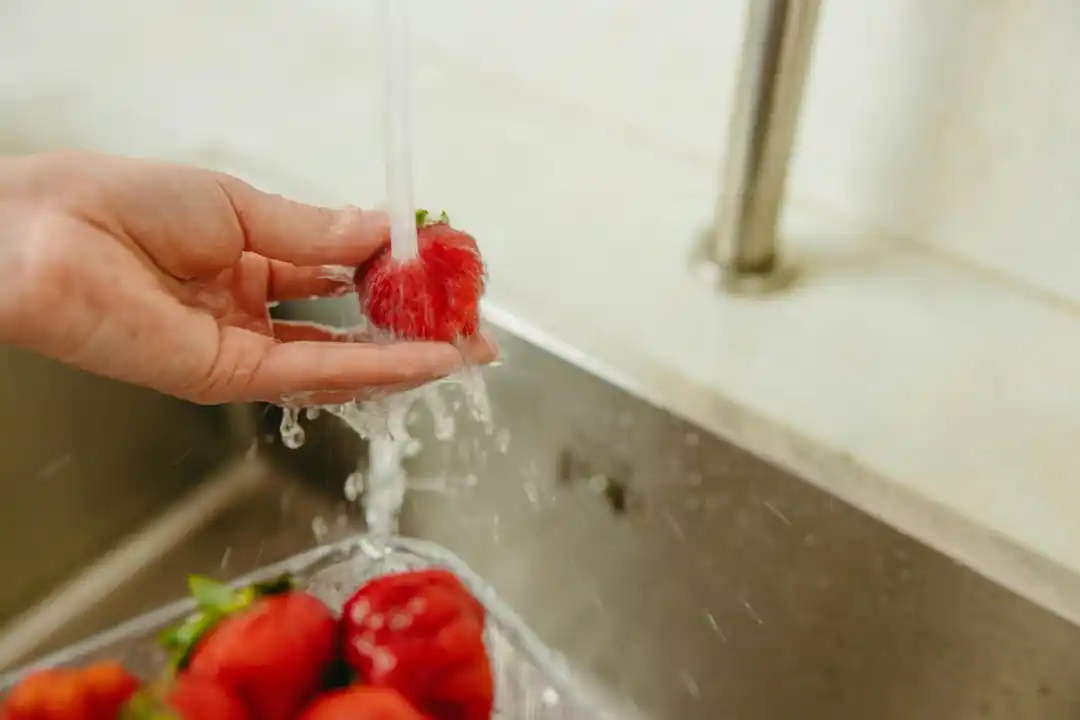
Washing your hands thoroughly with soap and warm water for at least 20 seconds is non-negotiable, especially before and after handling food, and definitely after touching raw meat, poultry, or seafood. It's like a mini-surgical scrub for your kitchen adventures. Beyond your hands, all surfaces that come into contact with food – cutting boards, countertops, utensils – need a good scrub with hot, soapy water. I've found that keeping a spray bottle with a diluted bleach solution (1 tablespoon of bleach per gallon of water) handy for sanitizing after cleaning gives me extra peace of mind, especially after preparing raw meats. And don't forget your fruits and veggies! A good rinse under running water, and scrubbing firmer produce, helps remove dirt and surface bacteria, but remember, don't wash raw meat or poultry, as that can actually spread germs around your kitchen.
Separate: Preventing Cross-Contamination
Once everything is sparkling clean, the next critical step is separation. This is all about preventing cross-contamination, which sounds fancy but simply means keeping raw meats, poultry, seafood, and eggs away from ready-to-eat foods like salads or cooked dishes. It’s a common mistake, one I certainly made in my earlier cooking days, to use the same cutting board for raw chicken and then for slicing tomatoes without a thorough wash in between. That's a direct highway for harmful bacteria.
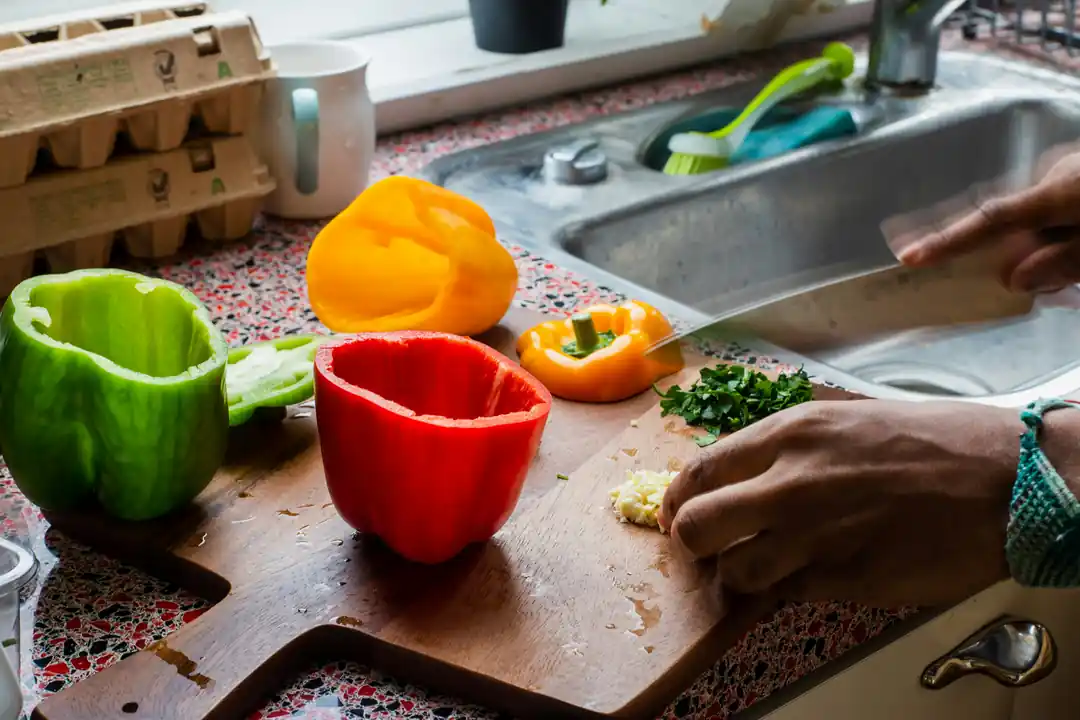
To truly separate, dedicate different cutting boards for raw meats and produce. Many people use color-coded boards, which is a brilliant visual cue. Red for raw meat, green for veggies – simple, effective, and hard to forget. Also, never place cooked food back on a plate that previously held raw meat, poultry, or seafood unless that plate has been thoroughly washed. And when you're marinating, always do it in a covered dish in the refrigerator, not on the countertop, to prevent juices from dripping onto other foods. It’s these small, conscious choices that build a robust defense against foodborne pathogens.
Cook: The Power of Heat
Now, for the exciting part: cooking! But cooking isn't just about making food taste delicious; it's about reaching temperatures high enough to kill harmful bacteria that might be present. You can't tell if food is safely cooked just by looking at its color or texture, especially with meats. That perfectly browned chicken might still be harboring unwelcome guests inside. This is where a food thermometer becomes your best friend in the kitchen.
Using a food thermometer to check the internal temperature is the only reliable way to ensure your food is safe. For instance, poultry (whole or ground) needs to reach 165°F (74°C), ground meats like beef or pork should hit 160°F (71°C), and beef, pork, veal, and lamb steaks, chops, and roasts are safe at 145°F (63°C) with a three-minute rest time. Fish and shellfish also need to reach 145°F (63°C). Reheating leftovers? They should always reach 165°F (74°C). It might seem like an extra step, but the peace of mind, knowing you've eliminated those potential threats, is absolutely worth it.

Chill: Keeping it Cool
Finally, we come to chilling, which is just as vital as the other three steps. Bacteria love warm temperatures, and they multiply rapidly in what's known as the "Danger Zone" – typically between 40°F and 140°F (4°C and 60°C). Leaving perishable foods out at room temperature for too long gives these bacteria a party invitation, allowing them to double in number in as little as 20 minutes.
The golden rule here is simple: refrigerate perishable foods promptly, ideally within two hours. If it's a hot day and the temperature is above 90°F (32°C), that window shrinks to just one hour. Your refrigerator should be set to 40°F (4°C) or below, and your freezer to 0°F (-18°C) or below. To help foods cool down quickly, especially large quantities like a big pot of soup, divide them into shallow containers before placing them in the fridge. And never thaw foods on the counter; the safest methods are in the refrigerator, in cold water (changing the water every 30 minutes), or in the microwave (cooking immediately after).
Embracing these four simple steps – Clean, Separate, Cook, and Chill – isn't just about following rules; it's about cultivating a mindful approach to food preparation. It’s about understanding the science behind why we do what we do, and then integrating those practices seamlessly into our daily routines. It might take a little conscious effort at first, but soon enough, these habits become second nature, transforming your kitchen into a truly safe and joyful space. And honestly, knowing that you've done everything you can to protect your family and friends from unseen dangers? That's a recipe for true contentment.

Method Acting for Beginners: How to Start Without Losing Your Mind
The Winter Commute: Can You Still Count on Public Transit in a Snowstorm?

Related Posts
 COOKING TIPS
Is Your Kitchen Safe? The Best Way to Check for Food Recalls at Home
That feeling of uncertainty when you hear about a food recall is all too common. Let's walk through the simple, effective ways to stay informed and keep your family safe.
 RECIPES
Beyond Peanut Butter: 7 Healthy & Delicious Sandwich Spreads You'll Love
Tired of the same old PB&J? Let's explore some incredible, nutrient-packed alternatives to peanut butter that will completely revitalize your lunch routine.

Popular Posts

Rethinking Non-Profit Promotion: Creative Strategies That Actually Drive Event Impact

Beyond Stark White: The Best Interior Paint Colors to Light Up Your New Space

The Simple Pre-Workout Fueling Strategy That Saved My Long Runs