Your First Perfect Batch: A Beginner's Guide to Classic Southern Fried Chicken
Dreaming of that golden, crispy, juicy fried chicken but feel intimidated? I'm here to tell you it's absolutely within your reach, even if you've never fried a thing in your life!
There’s something almost magical about a perfectly cooked piece of Southern fried chicken, isn't there? That shatteringly crisp, golden-brown crust giving way to incredibly juicy, tender meat. It’s the kind of comfort food that evokes memories, creates smiles, and honestly, just makes everything feel a little bit better. For the longest time, I thought it was one of those culinary feats best left to grandmas with decades of experience and secret family recipes. The truth is, it felt intimidating. The hot oil, the breading, the fear of serving something that was either burnt on the outside or undercooked on the inside—it was enough to make me stick to baking.
But I'm here to tell you, as someone who's navigated the kitchen with a fair share of beginner's jitters, that classic Southern fried chicken is absolutely achievable for you, right in your own home. It just takes a little patience, a few key insights, and a willingness to embrace the process. I remember my first attempt, a well-intentioned but slightly disastrous affair involving unevenly cooked chicken and a breading that decided to part ways with the meat mid-fry. It was disheartening, to say the least. But like any good challenge, it sparked a determination to understand the why behind the how.
After diving deep into countless recipes, watching seasoned cooks, and (most importantly) learning from my own mistakes, I realized that the "secrets" aren't really secrets at all. They're foundational techniques that, once understood, unlock a world of crispy, flavorful possibilities. So, let's roll up our sleeves and demystify this Southern staple together, ensuring your first batch is a triumph, not a tragedy.
The Buttermilk Magic: Your First Step to Flavor
Before we even think about flour or hot oil, the journey to truly exceptional fried chicken begins with a good soak. For authentic Southern fried chicken, that means buttermilk. This isn't just a quaint tradition; it's a crucial step rooted in food science that tenderizes the chicken and infuses it with incredible flavor. The mild acidity in buttermilk works wonders, gently breaking down the protein fibers in the chicken, resulting in a more tender and succulent bite. It’s a game-changer, turning a potentially tough piece of poultry into something that melts in your mouth.
Beyond tenderness, buttermilk acts as a fantastic adhesive for the breading and a vehicle for seasoning. It allows those savory flavors to penetrate deep into the meat, not just sit on the surface. Many recipes will tell you to marinate for a few hours, and that's certainly better than nothing. However, for that truly profound flavor and texture, I've found that a longer soak—ideally overnight, or for at least 12 hours—makes all the difference. Don't be shy about seasoning your buttermilk, either. A generous hand with salt, pepper, and perhaps a dash of hot sauce or garlic powder will elevate the final taste significantly. This initial step is your foundation, so give it the time and attention it deserves.
Crafting the Crispy Coating: The Art of the Dredge
Now, for the star of the show: that irresistible crispy coating. This is where many beginners stumble, but with a few tricks, you'll achieve that coveted crunch every time. The basic principle involves a seasoned flour mixture, and the key to a truly craggy, crispy crust lies in the technique. First, let's talk about the flour itself. While all-purpose flour is the standard base, adding a little cornstarch is a game-changer. Cornstarch helps create a lighter, crispier coating by inhibiting some of the gluten development in the flour. A good ratio to start with is about 2 tablespoons of cornstarch for every cup of flour.
The dredging process itself is equally important. After its buttermilk bath, allow the excess buttermilk to drip off the chicken, but don't dry it. You want it to be moist so the flour sticks. Go directly from the buttermilk into your seasoned flour. Press the flour firmly onto every surface of the chicken. For an extra-thick crust, you can perform a "double dredge" – after the first coating of flour, dip it briefly back into the buttermilk and then into the flour again. A crucial, often overlooked step is to let the breaded chicken rest on a wire rack for at least 15-20 minutes before frying. This resting period allows the flour to hydrate and form a sort of paste, which helps the breading adhere much better and prevents it from falling off in the hot oil. Trust me, this small act of patience pays off immensely.
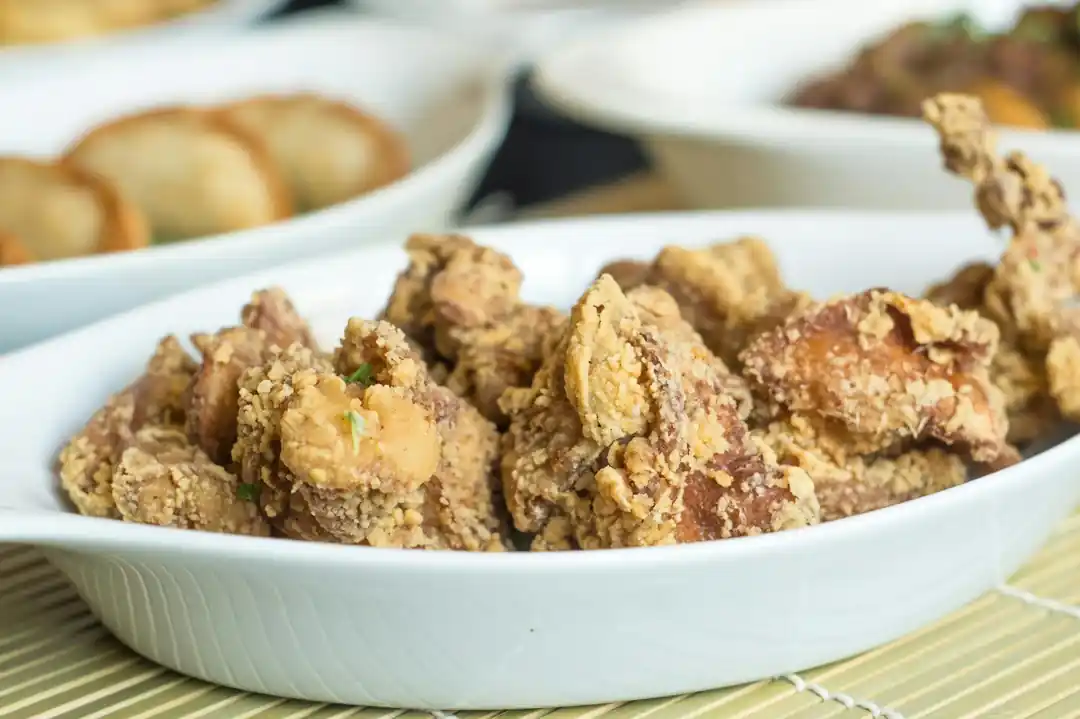
The Heat is On: Frying for Golden Perfection
Frying can feel like the most intimidating part, but it's all about control, especially when it comes to oil temperature. The right oil and the right temperature are non-negotiable for crispy, evenly cooked fried chicken. For oil, you want something with a high smoke point and a neutral flavor. A cast-iron skillet is the traditional vessel of choice for its incredible heat retention, which helps keep the oil temperature stable. Peanut oil is often considered the gold standard for its high smoke point and the beautiful color it gives the chicken, but vegetable shortening (like Crisco) is another classic choice that yields fantastic results. Canola or vegetable oil are also excellent, readily available alternatives.
The ideal frying temperature is consistently between 325°F and 350°F (about 165°C to 175°C). If your oil is too cool, the chicken will absorb too much of it and become greasy and soggy. If it's too hot, the breading will burn before the chicken cooks through. Invest in a good thermometer to monitor the oil, adjusting your stove's heat as needed. And please, for the love of all that is crispy, do not overcrowd your pan! Frying too many pieces at once will drastically drop the oil temperature. Fry in batches, giving each piece enough space to cook beautifully, turning only once, until it's a deep golden brown and cooked through.
There’s a certain satisfaction that comes from pulling that first piece of perfectly fried chicken from the skillet, watching the excess oil drip away, and knowing you created something truly delicious. It’s a dish that speaks of home, comfort, and a little bit of culinary adventure. So, take a deep breath, gather your ingredients, and embark on this delicious journey. You might just find that your kitchen becomes the new favorite spot for a taste of the South, and you, my friend, become the keeper of a very special, very crispy tradition.

Unlock Your Drumming Potential: A Deep Dive into the Moeller Method
The Secret to Silky Smooth Soccer Control? It’s All in the Drills

Related Posts
 COOKING TIPS
Is Your Kitchen Safe? The Best Way to Check for Food Recalls at Home
That feeling of uncertainty when you hear about a food recall is all too common. Let's walk through the simple, effective ways to stay informed and keep your family safe.
 RECIPES
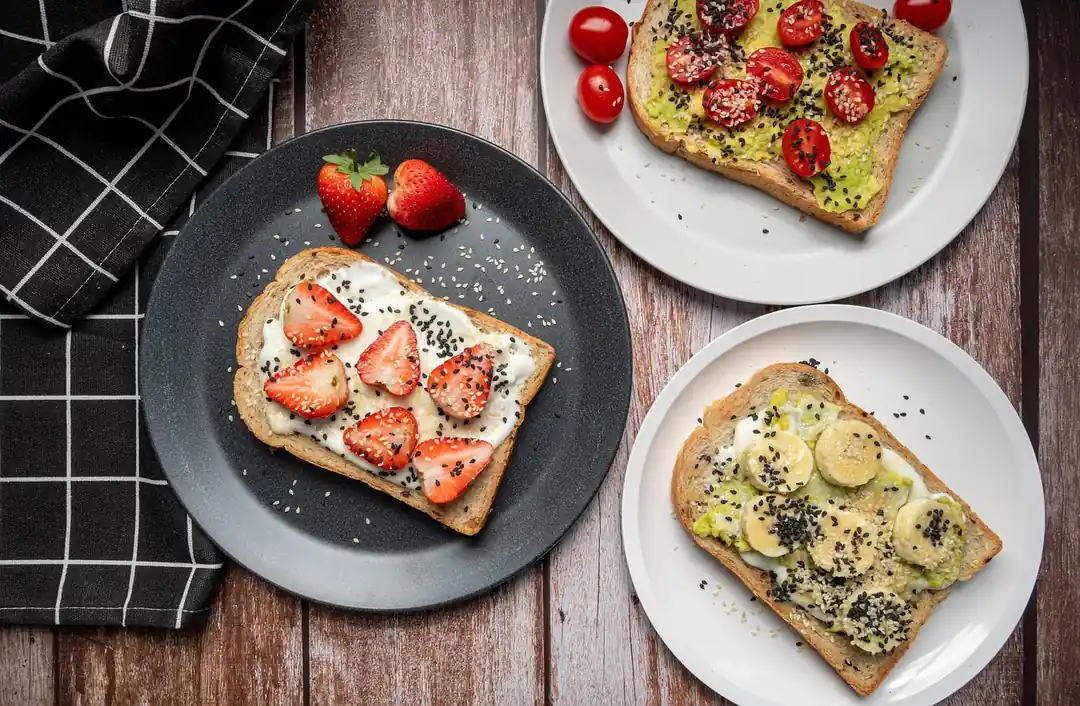
Beyond Peanut Butter: 7 Healthy & Delicious Sandwich Spreads You'll Love
Tired of the same old PB&J? Let's explore some incredible, nutrient-packed alternatives to peanut butter that will completely revitalize your lunch routine.
Popular Posts

Rethinking Non-Profit Promotion: Creative Strategies That Actually Drive Event Impact

Beyond Stark White: The Best Interior Paint Colors to Light Up Your New Space

How to Actually Master a New Language on Your Own (No Magic Gene Required)
