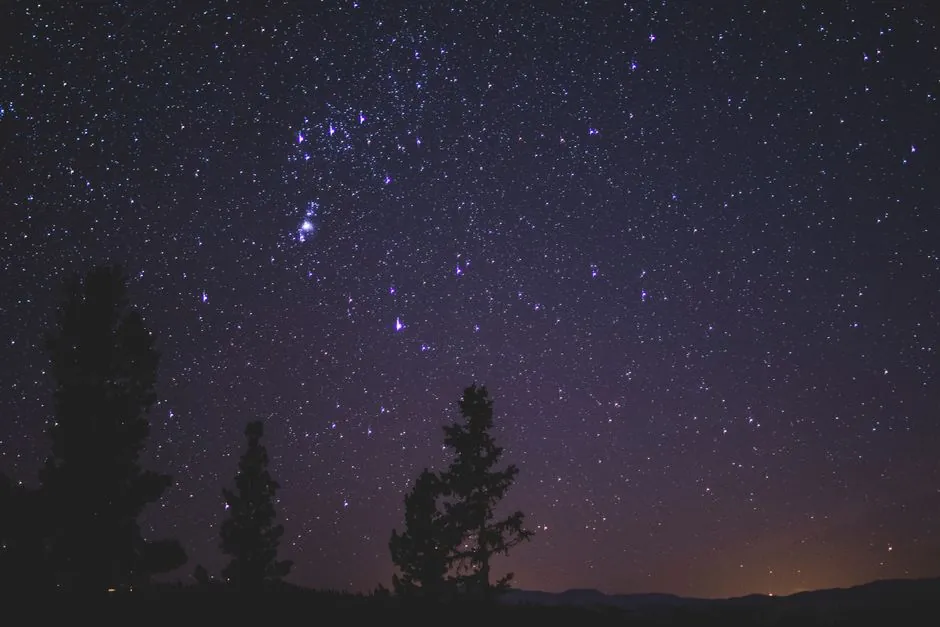
Chasing the Celestial Dance: Your Ultimate Guide to Witnessing the Aurora Borealis
Dreaming of seeing the Northern Lights? It's a truly magical experience, and with a little planning, you can make that dream a breathtaking reality. Let's dive into how to chase those elusive, dancing lights!
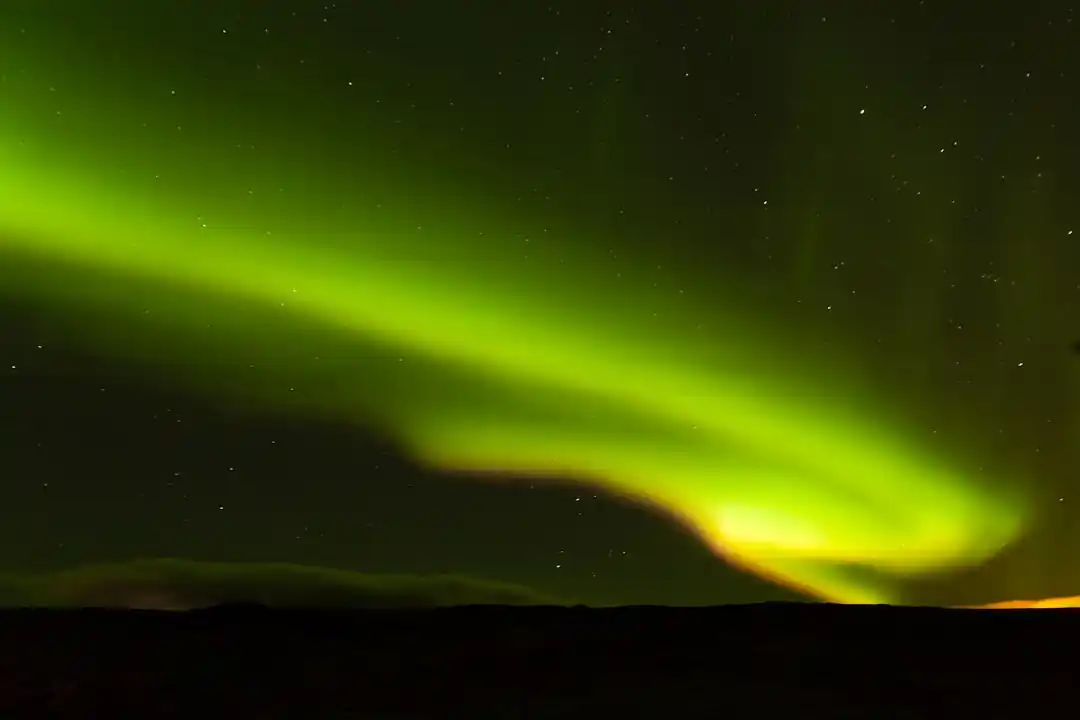
Let’s be honest, seeing the aurora borealis is on almost everyone’s bucket list. It’s one of those natural phenomena that feels otherworldly, a silent, cosmic ballet of light that reminds you just how vast and beautiful our universe is. I remember the first time I saw a picture of them; it didn't seem real. Green, purple, and pink ribbons unfurling across a star-dusted sky? It had to be a special effect. But it’s very, very real, and witnessing it in person is a core memory you’ll carry forever.
The thing is, the Northern Lights are notoriously shy. They don’t perform on a schedule, and catching them requires a blend of science, patience, and a little bit of luck. It’s not as simple as booking a flight and showing up. You’re dealing with solar winds, magnetic fields, and, of course, the weather. It can feel intimidating to plan a trip around something so unpredictable, especially when it often involves traveling to some pretty remote and chilly places.
But that’s also what makes it an adventure. The chase is part of the experience. Over the years, I've gathered tips from seasoned aurora hunters, astronomers, and my own trial-and-error journeys. This isn't just about seeing the lights; it's about experiencing the unique, quiet magic of the Arctic and sub-Arctic world. So, if you’re ready to trade city lights for celestial ones, let’s talk about how to make it happen.
Picking Your Spot: Where to Chase the Lights
First things first: you have to go where the aurora lives. The lights are most active in a ring around the Earth’s geomagnetic poles, often called the "auroral oval." For those of us in the US, that means heading north. Way north. While strong solar storms can occasionally push the lights far enough south to be seen in the northern contiguous states, you shouldn't bet your vacation on it. To guarantee the best odds, you need to commit to a proper northern destination.
Fairbanks, Alaska, is arguably the most popular and accessible choice for Americans. It sits right under the auroral oval, offering a high probability of sightings from late August to late April. The infrastructure is there, with plenty of tour operators, "aurora lodges" with cozy viewing areas, and even heated yurts. This is a great option if you want a bit of comfort with your cosmic adventure. You can spend your days exploring the Alaskan winter landscape—dog sledding, anyone?—and your nights gazing upwards.
Of course, you can also look beyond our borders. Iceland is another iconic choice, famous for its dramatic landscapes of volcanoes, glaciers, and waterfalls that provide an epic foreground for the aurora. Reykjavik is a fun, vibrant city, but you’ll want to get out into the countryside to escape the light pollution. Then there are the Scandinavian options: Tromsø in Norway, Abisko in Sweden, and the Lapland region of Finland. Each offers a unique cultural flavor to go along with your aurora hunt, from Sami culture and reindeer sleigh rides to stunning fjords.
Timing is Everything: When to Go
Once you’ve picked a location, you need to choose the right time. The aurora is happening year-round, but you can only see it when the sky is dark. This means the peak season for aurora hunting is from September to March, when the nights are long and the skies are at their blackest. The months of September, October, March, and April can be particularly good as they often have less cloud cover than the dead of winter and the weather is slightly more manageable.
Beyond the time of year, you need to think about the time of the month. The phase of the moon makes a huge difference. A bright, full moon can act like a giant spotlight in the sky, washing out all but the most intense auroral displays. For the best viewing and photography conditions, plan your trip around the new moon, when the sky will be at its absolute darkest. This gives the aurora’s delicate colors a chance to truly pop against the backdrop of the Milky Way.
Finally, there’s the time of night. While the lights can appear at any time after dark, they are often most active between 10 p.m. and 2 a.m. local time. This is where patience becomes your most valuable asset. It’s not a movie that starts at a set time. You have to be willing to wait, often in the cold. Download an aurora forecast app like My Aurora Forecast or SpaceWeatherLive to track the Kp-index, which measures geomagnetic activity. A Kp of 4 or 5 is a great sign, but don’t be discouraged if it’s lower—sometimes, beautiful, localized displays happen even on "quiet" nights.
Gearing Up: More Than Just a Warm Coat
Speaking of cold, let's talk about packing. This isn't your average winter trip. When you're standing still outside for hours in sub-zero temperatures, you need serious gear. The key word is layers, and the key material is anything but cotton. Cotton absorbs moisture and will leave you feeling damp and colder.
Start with a base layer of merino wool or a synthetic equivalent for both your top and bottom. This wicks sweat away from your skin. Next, add a mid-layer for insulation—a fleece jacket or a down vest works perfectly. Finally, your outer layer needs to be windproof and waterproof. A high-quality ski jacket and insulated snow pants are your best friends. Don't forget the extremities: a warm hat that covers your ears, a neck gaiter or balaclava, insulated gloves (and maybe thinner liner gloves for operating a camera), and thick wool socks.
Your footwear is critical. You need insulated, waterproof winter boots with good grip. Nothing will end your night faster than frozen toes. And a little pro tip: buy some disposable hand and foot warmers. They are inexpensive, lightweight, and can be an absolute lifesaver when you’ve been outside for hours and start to feel the chill creeping in. Trust me on this one.
Capturing the Magic: A Beginner's Guide to Aurora Photography
You’re going to want to take pictures. Your phone, even with its fancy night mode, probably won’t do the aurora justice. The sensors are just too small to capture the light and detail in such a dark environment. To get those jaw-dropping shots, you really need a camera with manual settings (a DSLR or mirrorless camera is ideal) and, most importantly, a sturdy tripod.
The aurora is constantly moving and shifting, so you’ll be using a long exposure to let enough light into your camera’s sensor. A tripod is non-negotiable to keep your camera perfectly still and avoid blurry images. You’ll also want a wide-angle lens (something like 14-24mm) to capture the vastness of the sky.
Set your camera to Manual mode (M). Start with a wide-open aperture (the lowest f-number your lens allows, like f/2.8 or f/4), set your ISO between 1600 and 3200, and your shutter speed to somewhere between 10 and 20 seconds. Set your focus to infinity—a good trick is to focus on a bright star or the moon using your camera's live view, then switch your lens to manual focus so it stays locked. Take a test shot and adjust from there. If it’s too dark, increase the ISO or the shutter speed. If it’s too bright, do the opposite. It takes some practice, but the thrill of seeing that green glow appear on your camera's screen is unbeatable.
Seeing the aurora borealis is a journey that requires planning and patience, but the reward is a profound connection to the natural world. It’s a reminder of the magic that exists just beyond our everyday lives, waiting in the cold, dark night. I hope you get to see it for yourself one day.

To Be or Not to Be a Beginner: How to Start Shakespearean Acting
Your First Digital Canvas: The Best Drawing Tablets for Beginners in 2026

Related Posts
 TRANSPORT
Beyond the Highway: Finding Canada's Soul on a Western Rail Adventure
Forget road trips. I'm talking about rediscovering the romance of travel on Via Rail's most scenic routes through the heart of the Canadian West. It’s an experience that changes you.
 TRAVEL TIPS
The Unwritten Rules of the North: What to Know Before Camping in Canada
Heading to the Great White North for a camping trip? It's an amazing idea. But from campfire etiquette to wildlife wisdom, here’s what you need to know before you go.

Popular Posts

Rethinking Non-Profit Promotion: Creative Strategies That Actually Drive Event Impact

Beyond Stark White: The Best Interior Paint Colors to Light Up Your New Space

The Simple Pre-Workout Fueling Strategy That Saved My Long Runs