Smart Lock vs. Traditional Lock: Which Is Right for Your Home?
We're breaking down the real-world pros and cons of smart locks versus traditional locks to help you decide which security solution truly fits your lifestyle.
It’s a scenario we all know: juggling grocery bags, searching frantically through a purse or pockets, all for that small piece of metal that grants us entry into our own home. For generations, the traditional lock and key have been the steadfast guardians of our front doors. But we live in a different era now, one where our phones can control everything from our lights to our thermostats. It was only a matter of time before our door locks got a major upgrade, too.
The debate between sticking with a classic, reliable deadbolt or embracing the high-tech convenience of a smart lock is a very real one for homeowners today. It’s not just a question of old versus new; it’s a conversation about security, lifestyle, and what gives us genuine peace of mind. I’ve spent a lot of time thinking about this, weighing the tangible security of a physical key against the invisible, feature-rich world of smart technology.
Honestly, there isn't a single right answer for everyone. The best choice depends entirely on what you value most—be it unwavering simplicity, cutting-edge convenience, or a specific level of control over your home's access. So, let's walk through it together, exploring the real strengths and weaknesses of both to figure out which one belongs on your front door.
The Case for Smart Locks: Convenience is King
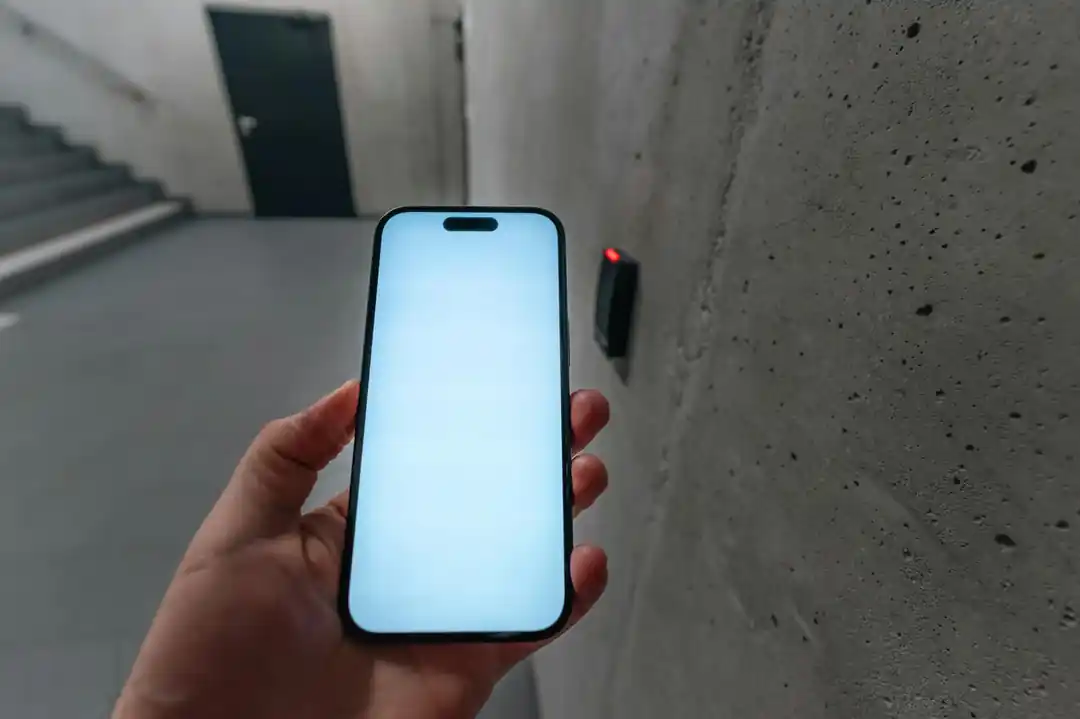
Let's be honest, the primary allure of a smart lock is the incredible convenience. The idea of a keyless existence is powerful. Imagine granting access to a friend, dog walker, or contractor with a temporary code sent to their phone, all while you’re miles away at the office. That’s not science fiction anymore; it’s a standard feature for many smart locks from popular brands like August, Schlage, and Yale. This ability to remotely manage access is a game-changer for busy households, rental property owners, or anyone who’s ever had to hide a key under the mat (we’ve all been there).
Beyond just ditching keys, smart locks offer a suite of features that provide a deeper sense of security and awareness. Most models come with an activity log, accessible via a smartphone app, that tells you precisely when the door was locked or unlocked, and by whom. Some can even be programmed to lock automatically after a set period, eliminating that nagging "Did I remember to lock the door?" feeling. This digital oversight provides a level of control and information that a traditional lock simply cannot match.
Of course, this advanced technology comes with its own set of considerations. The most obvious is the dependence on power; most smart locks run on batteries that need to be replaced periodically. While many have low-battery indicators and even a backup physical keyway, it’s a maintenance task that doesn't exist with traditional locks. There's also the question of digital security. Just like any connected device, smart locks are theoretically vulnerable to hacking. While reputable manufacturers use strong encryption to protect against this, it’s crucial to use strong, unique passwords and keep the device's firmware updated to maintain security.
The Enduring Reliability of Traditional Locks
While smart locks get all the headlines, there's a quiet confidence that comes with a traditional deadbolt. Their beauty lies in their simplicity. A high-quality mechanical lock is a fortress of steel and brass, a physical barrier that doesn’t rely on Wi-Fi, Bluetooth, or a power source to do its job. It will work during a power outage, a network failure, or a dead phone battery without any issue. This unwavering reliability is, for many, the cornerstone of home security.
Furthermore, traditional locks are a proven technology. They are less expensive upfront and have virtually no long-term maintenance costs aside from perhaps a squirt of graphite lubricant every few years. They are also less of a target for tech-savvy criminals, as breaking in requires physical manipulation—like picking or drilling—rather than digital exploitation. For someone who prefers a straightforward, no-frills approach to security and isn't interested in managing another app or connected device, the traditional lock is an undisputed champion.
The trade-off, of course, is a complete lack of modern convenience. Physical keys can be lost, stolen, or copied, creating a security risk that requires the time and expense of rekeying the lock. You can't check if your door is locked from your bed, nor can you let a guest in if you're running late. The security is purely physical, offering no data, no remote control, and no flexibility. It’s a beautifully simple system, but its simplicity is also its biggest limitation in our fast-paced, connected world.
So, Which One Is Right for You?
Choosing between these two options is a deeply personal decision. If you're a tech enthusiast, love the idea of an integrated smart home, and are constantly juggling access for family, friends, or service providers, the investment in a smart lock will likely pay off in daily convenience and peace of mind. The ability to know who is coming and going and to control your door from anywhere is a powerful modern luxury.
However, if you are more budget-conscious, value absolute reliability above all else, or simply prefer to keep your home's security offline and straightforward, a high-quality, ANSI Grade 1 traditional deadbolt is an outstanding and highly effective choice. It has protected homes for generations for a reason. It’s a tangible, trustworthy solution that never needs a software update.
Ultimately, security is not just about the hardware on your door; it's about the confidence it inspires. Whether it's the satisfying click of a deadbolt or the quiet whir of a smart lock, the right choice is the one that makes you feel safest when you settle in for the night.

Build Your Comfort: Are Adult LEGO Crocs The Ultimate Nostalgia Trip?
Forget the Pros: How I Installed My Own Home Security System (And You Can Too)
Related Posts
 INTERIOR IDEAS
Beyond Stark White: The Best Interior Paint Colors to Light Up Your New Space
Discover how moving away from flat white walls to soft pale blues, earthy sage greens, and cozy warm neutrals can naturally brighten your home.
 HOME IMPROVEMENT
The Honest Winter Energy Guide: How I Cut Heating Costs Without Freezing
Practical, research-backed ways to keep your home warm and your utility bills reasonable this winter, from simple DIY sealing to smart habits.

Popular Posts

Rethinking Non-Profit Promotion: Creative Strategies That Actually Drive Event Impact
Beyond Stark White: The Best Interior Paint Colors to Light Up Your New Space

How to Actually Master a New Language on Your Own (No Magic Gene Required)
