Cathedrals of Sport: The Architectural DNA of the Modern Stadium
Ever wonder what goes into building the colossal stadiums of today? It's more than just seats and a field. We're diving into the architectural marvels that make modern venues a world away from the bleachers of the past.
If you’ve been to a major league game in the last decade, you’ve probably felt it. It’s a sense that you’re stepping into something more than just a place to watch a game. The moment you see it from the highway, it doesn’t just sit there; it makes a statement. These new cathedrals of sport are a far cry from the simple concrete bowls our parents and grandparents frequented. They are complex, billion-dollar marvels of engineering and design, crafted to create an unforgettable experience from the moment you arrive.
Honestly, I used to think a stadium was just a stadium. As long as I had a decent view of the field and a hot dog wasn't outrageously expensive, I was happy. But as I've looked deeper into the design philosophy behind new venues like SoFi Stadium in Los Angeles or Allegiant Stadium in Las Vegas, I've realized that every single element is meticulously planned. Architects are now tasked with creating not just a home for a team, but a year-round entertainment destination, a community hub, and a beacon of technological innovation. It’s a complete paradigm shift.
The Spectacle Before the Game: Façades and Retractable Roofs
The experience begins before you even scan your ticket. The exterior of a modern stadium, its façade, is its handshake. Architects are using incredible materials, from translucent polymers to shimmering metals, to create structures that are visually stunning and often reflect the character of the city or team. Think of the sleek, intimidating look of Allegiant Stadium, aptly nicknamed the "Death Star," or the bird-wing-inspired retractable roof of Mercedes-Benz Stadium in Atlanta. These aren't just buildings; they're sculptures.
And let's talk about those roofs. The retractable roof is perhaps the single most defining feature of the modern era of stadium building. It’s an incredible feat of engineering that offers the best of both worlds: the open-air feel of a classic ballpark on a perfect sunny day and a climate-controlled haven when the weather turns. I read that the roof at State Farm Stadium in Arizona was the first in North America to be built with a retractable field as well, allowing the grass to roll outside to get natural sunlight. It’s this kind of problem-solving and ambition that defines these projects.
This focus on a dynamic, responsive environment is key. It allows a single venue to host a daytime NFL game in September and a cozy indoor concert in December. This flexibility is crucial for maximizing the building's use and ensuring it remains a valuable asset to the city throughout the year, not just on game days.
The Heart of the Action: The Seating Bowl and Fan Comfort
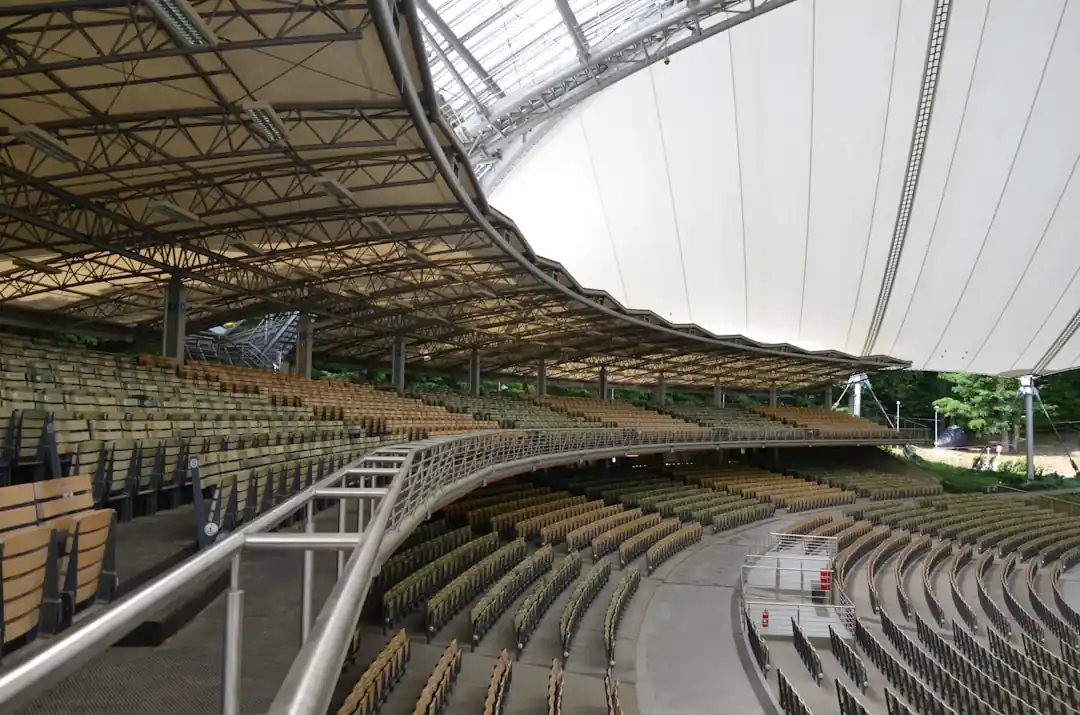
Once inside, the heart of the stadium is the seating bowl. The primary goal here has always been sightlines, but modern design has taken this to a new level. Using advanced computer modeling, architects can ensure that virtually every seat in the house has a clear, unobstructed view of the action. The geometry of the seating is obsessed over—how steep can the upper deck be to make fans feel closer to the field without it feeling precarious? How can you arrange sections to create a sense of intimacy even in a 70,000-seat venue?
But comfort is just as important. The days of cramming onto narrow benches are over. Today’s stadiums feature wider, more comfortable seats with cup holders (a surprisingly crucial innovation), and significantly more legroom. It’s a basic acknowledgment that if you’re asking someone to spend several hours in one spot, that spot should be as pleasant as possible.
Furthermore, we're seeing a huge diversification in seating options. It's not just about regular seats and luxury suites anymore. There are now field-level clubs, loge boxes, terrace decks, and standing-room-only social spaces. This variety allows fans to choose their own experience. You can be in a plush, club-level seat with in-seat service, or you can be in a vibrant, bar-like area with a group of friends. This approach turns the stadium into a collection of "neighborhoods," each with its own unique vibe and amenities.
Beyond the Game: Concourses, Connectivity, and Concessions
Some of the most significant architectural changes have happened away from the field. The concourse is no longer just a cramped hallway to get from your seat to the restroom. Modern stadiums feature wide, open, 360-degree concourses that are destinations in themselves. They are often filled with natural light and offer constant views of the field, so you never feel disconnected from the game, even when you’re grabbing a beer.
Technology is the invisible architecture that holds the modern fan experience together. High-density Wi-Fi is now a non-negotiable standard, allowing tens of thousands of people to stream, post, and use the team’s app simultaneously. This connectivity powers everything from mobile ticketing and cashless payments to in-seat ordering and augmented reality features. And you can't miss the video boards—massive, wrap-around, 4K displays like the one at SoFi Stadium ensure you won't miss a single replay, no matter where you are.
And the food? It’s a revolution. Stadium concessions have moved far beyond generic hot dogs and popcorn. Many venues now partner with renowned local chefs and restaurants to offer a taste of the city’s culinary scene. This not only provides better food but also deepens the connection between the stadium and its community. It’s all part of a larger strategy: make the stadium a place you want to come to, not just a place you have to be to see the game. It’s a holistic approach to entertainment, and it’s changing the very nature of what a stadium can be.

A Journey Through Time: Spain's Most Enchanting Cities for History Lovers
From Handshake to Paycheck: How NFL Rookie Contracts Are Structured

Related Posts
 TRANSPORT
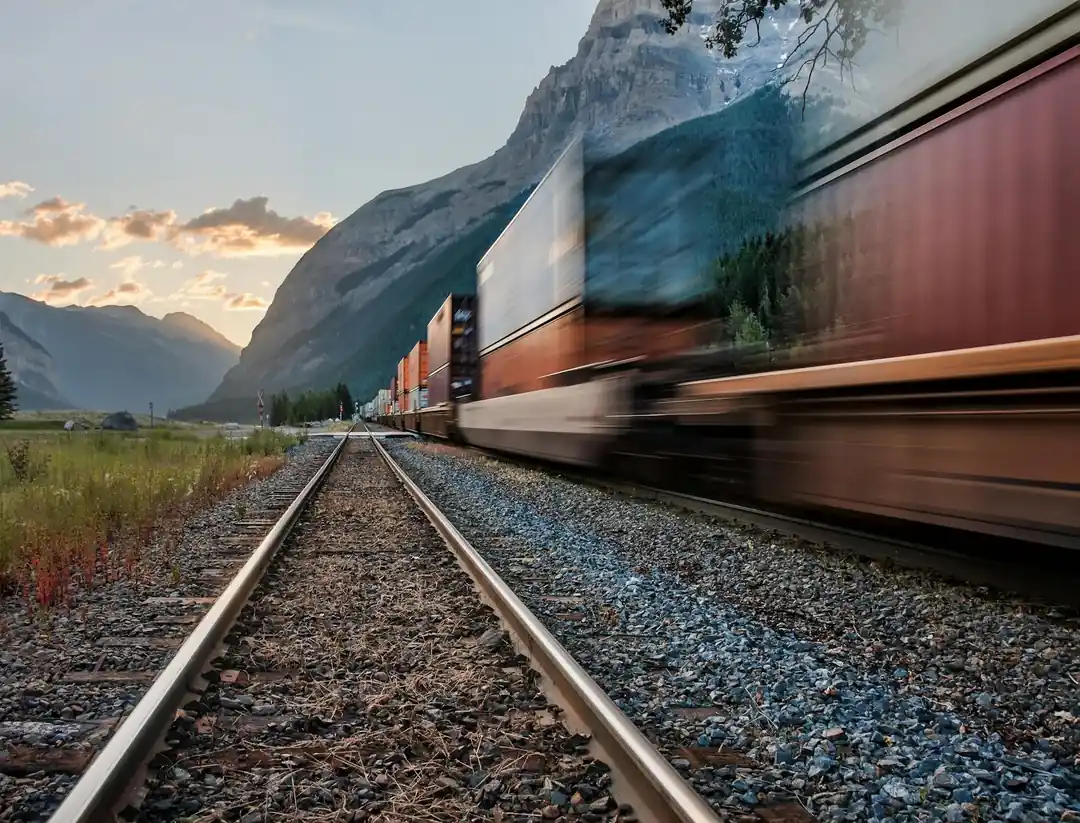
Beyond the Highway: Finding Canada's Soul on a Western Rail Adventure
Forget road trips. I'm talking about rediscovering the romance of travel on Via Rail's most scenic routes through the heart of the Canadian West. It’s an experience that changes you.
 TRAVEL TIPS
The Unwritten Rules of the North: What to Know Before Camping in Canada
Heading to the Great White North for a camping trip? It's an amazing idea. But from campfire etiquette to wildlife wisdom, here’s what you need to know before you go.

Popular Posts

Rethinking Non-Profit Promotion: Creative Strategies That Actually Drive Event Impact

Beyond Stark White: The Best Interior Paint Colors to Light Up Your New Space

How to Actually Master a New Language on Your Own (No Magic Gene Required)
