The sky is turning gray, and you hear a tornado alert. But is it a watch or a warning? Knowing the difference is critical. Let's break it down.
It’s a feeling many of us in the US know all too well. The air gets heavy, the sky takes on a strange, greenish-gray tint, and an eerie silence falls just before the storm hits. Then, your phone buzzes with an alert. For a long time, I’ll be honest, I didn’t fully grasp the urgency behind the words "tornado watch" versus "tornado warning." They felt like variations of the same theme: "a big storm is coming." It wasn't until I lived through a particularly close call in the Midwest that the distinction became crystal clear, and I realized that this isn't just weather jargon—it's a critical timeline for survival.
We hear these terms on the local news so often they can almost lose their meaning, fading into the background of our busy lives. But complacency is a luxury we can't afford when dealing with the raw power of nature. These alerts are carefully crafted messages from meteorologists who are tracking volatile, life-threatening conditions. Understanding the specific instruction behind each term—one is a call to prepare, the other a command to act—is one of the most important things you can do for your family's safety.
What a Tornado Watch Really Means
Think of a tornado watch as the preliminary heads-up. When the National Weather Service (NWS) issues a tornado watch, it means that conditions are favorable for tornadoes to develop in your area. It’s like a baker laying out all the ingredients on the counter to make a cake. You have the flour, the sugar, the eggs—everything needed is present, but the cake hasn't actually been mixed or put in the oven yet. Similarly, a watch means the atmosphere has the right ingredients for a tornado: typically, warm, moist air colliding with cool, dry air, creating instability and wind shear.
A watch usually covers a large area, like several counties or even parts of a state, and can last for a good chunk of time, often four to eight hours. This is not the time to panic. Instead, it's your window of opportunity to prepare. This is the moment to calmly review your emergency plan with your family. Where is your designated safe spot? Is it clear of clutter? Do your kids know where to go if they're home alone?
Use this time wisely. Bring pets inside, secure any loose outdoor furniture that could become a projectile, and make sure your phone is fully charged. This is also the perfect time to double-check your emergency kit. Do you have fresh batteries for your flashlights and weather radio? Are your first-aid supplies stocked? Do you have a supply of water and non-perishable food? A tornado watch is a signal to stay alert and monitor the weather closely. Keep the TV on, listen to the radio, or have a reliable weather app open. You’re not in immediate danger, but you need to be ready to act if the situation changes.
The Urgent Command of a Tornado Warning
A tornado warning is a significant escalation. This is the real deal. When a warning is issued, it means a tornado has either been physically spotted by trained weather spotters or has been indicated by weather radar. The cake isn't just being prepared; it's in the oven, and it's rising fast. A tornado is happening or is imminent. The danger is immediate.
Unlike a watch, a warning is highly specific, often targeting a precise location or a path through a county—sometimes called a "polygon warning." These alerts are much shorter, typically lasting from 20 to 60 minutes. When you receive a tornado warning, there is no more time for preparation. It is time to put your plan into action and take shelter immediately.
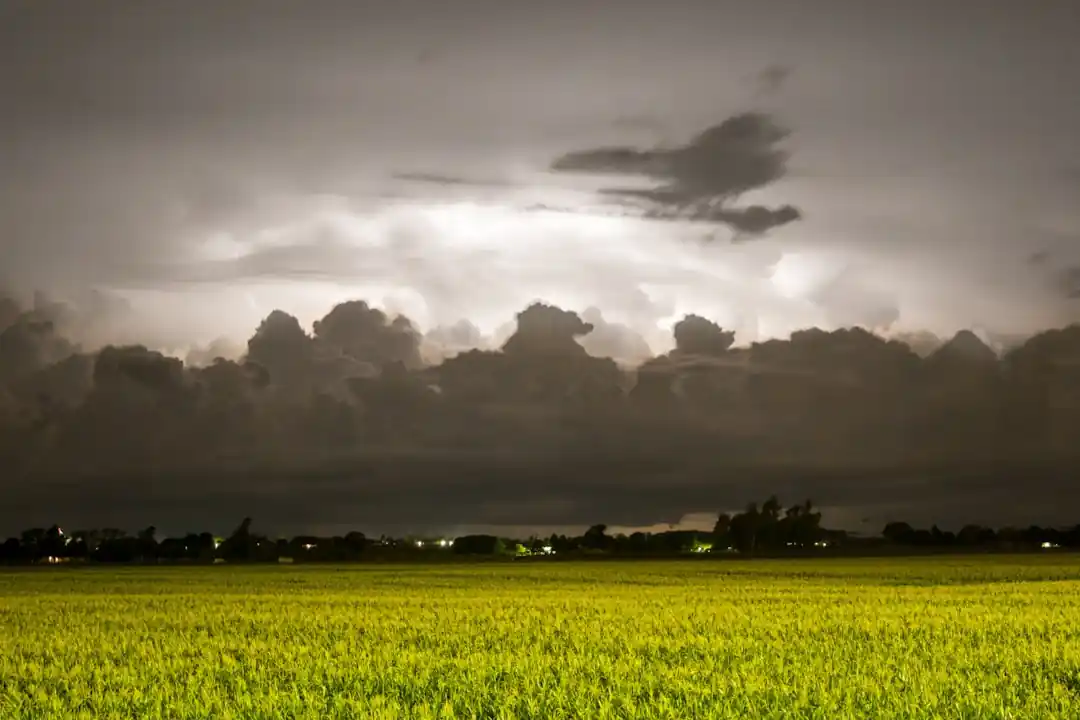
Your immediate goal is to get to the safest location possible. If you are in a house, that means going to your basement, storm cellar, or a designated safe room. If you don't have a basement, go to the lowest level of the house and get into a small, interior room without windows, like a bathroom, closet, or central hallway. The idea is to put as many walls between you and the outside as possible. Get under something sturdy, like a heavy table, and cover your head and neck with your arms, a blanket, or even a mattress. It might feel strange, but wearing a helmet (like a bike helmet) can offer crucial protection from flying debris.
If you live in a mobile home, you must evacuate. Mobile homes are not safe during tornadoes. Have a plan ahead of time to get to a sturdy, pre-identified building. If you are in your car, do not try to outrun a tornado. It's a dangerous gamble. The best course of action is to abandon your vehicle and seek shelter in a sturdy building. If that's not an option, find the lowest-lying area you can, like a ditch, lie flat, and cover your head with your hands.
Knowing the difference between "watch" and "warning" is more than just a bit of trivia; it’s a fundamental piece of your personal safety strategy. It’s the knowledge that allows you to move from a state of mindful preparation to decisive, life-saving action. Stay safe, stay informed, and be ready.

The Beginner's Guide to an Impossible Hobby: Building Your First Ship in a Bottle
That Mountain of Email? There’s an AI for That.

Related Posts
 HOBBIES
The Beginner's Guide to Reading the Night Sky: How to Spot Your First Constellations
A friendly, grounded guide to navigating the night sky, understanding stellar movements, and spotting iconic constellations without expensive gear.
 PETS
PETSSniffle-Free Snuggles: America's Most-Loved Hypoallergenic Dogs
Dreaming of a furry friend but dreading the sneezes? You're not alone. Let's dive into the wonderful world of popular hypoallergenic dog breeds in the US.

Popular Posts

Rethinking Non-Profit Promotion: Creative Strategies That Actually Drive Event Impact

Beyond Stark White: The Best Interior Paint Colors to Light Up Your New Space

How to Actually Master a New Language on Your Own (No Magic Gene Required)
