Wondering what to bring someone in the hospital? It's tricky. Let's move beyond the usual suspects and explore gifts that offer genuine comfort and a touch of home.
There’s a specific kind of helplessness that washes over you when someone you love is in the hospital. You want to scoop them up, take away their pain, and bring them back to the comfort of their own home. Since that’s not an option, our immediate instinct is to try and bring a little piece of comfort to them. We reach for the classic get-well-soon gestures: a vibrant bouquet of flowers, a cheerful balloon, maybe a box of chocolates. But I’ve learned—the hard way, of course—that these well-intentioned gifts can sometimes miss the mark.
I remember walking into a friend's hospital room once, armed with a massive, beautiful bouquet of lilies, only to be told by a kind but firm nurse that they weren't allowed in the ICU. The reason? Potential allergens and bacteria that could pose a risk to immunocompromised patients. I was mortified, but it was a crucial lesson. A truly thoughtful gift isn't just about the sentiment; it's about understanding the reality of a hospital environment.
So, how do we show we care in a way that's genuinely helpful and comforting? It’s about shifting our perspective from what we want to give, to what they truly need. It’s about finding things that can make the sterile, impersonal space of a hospital room feel a little more human, a little more like a sanctuary for healing.
First, Let's Talk About What to Avoid
Before we dive into the good stuff, it’s essential to understand the "no-fly zone" of hospital gifting. Many facilities in the US have strict rules to ensure patient safety, and knowing them can save you and your loved one some awkwardness. As I learned, flowers are a big one. Many units, especially intensive care, oncology, and transplant wards, prohibit them entirely due to the risk of bacteria and mold hiding in the soil or water. Even strong pollen can be an issue for patients with respiratory problems or allergies.
Scented products are another category to approach with caution. That lovely scented lotion or perfume you were thinking of? It might be nauseating for someone who is sensitive to smells due to medication or their condition. The hospital is a shared space, and strong fragrances can bother roommates and staff, too. It's best to stick with unscented options for any personal care items.
And while it might seem fun, an oversized stuffed animal or a mountain of balloons can quickly become clutter in a cramped hospital room. Space is at a premium, and staff need easy access to the patient and their equipment. The goal is to add comfort, not chaos. When in doubt, a quick call to the hospital's front desk or the nurse's station can clarify any specific rules for that floor.
The Unbeatable Gift of Comfort
Think about what you crave when you’re sick at home. It’s usually softness, warmth, and a sense of personal comfort. This is exactly what’s missing from the standard-issue hospital experience. The gowns are starchy, the blankets are thin, and the environment is anything but cozy. Bringing a touch of that homey comfort can be one of the most powerful gifts you can give.
A high-quality, incredibly soft blanket is my absolute top recommendation. It’s a cocoon of warmth and normalcy in a place that is anything but. A plush, comfortable robe or a pair of soft pajamas can also be a game-changer, allowing your loved one to feel a bit more dignified and human when walking the halls or just sitting in bed. Don't underestimate the power of good footwear, either. A pair of non-slip socks or comfortable slippers are fantastic for keeping feet warm and providing stable footing on slick hospital floors.
Personal care items can also provide a huge boost. Hospital air is notoriously dry, so a quality, unscented lip balm and a good hand cream are small luxuries that make a big difference. Other items like dry shampoo, a gentle face wash, or even a soft toothbrush can help them feel refreshed and more like themselves when a proper shower isn't easy to come by. These aren't just things; they are acts of care that restore a sense of personal dignity.

Curing the Unending Boredom
Once the initial flurry of medical activity settles, a new challenge emerges: boredom. The days can stretch on endlessly, marked only by the rhythm of vital checks and meal deliveries. Providing a welcome distraction is a gift for the mind and spirit, and it can be just as important as physical comfort for recovery.
Books and magazines are a classic for a reason. Getting lost in a good story is a perfect escape from the four walls of a hospital room. Consider what they love—a thrilling mystery, a historical novel, or the latest issue of their favorite hobby magazine. If their energy is low or their hands are occupied with IVs, an audiobook subscription is a brilliant alternative. It allows them to rest their eyes and still be transported to another world.
Don't forget about low-energy activities that can keep the mind sharp. A book of crossword puzzles, Sudoku, or word searches can be a perfect companion. For something a bit more engaging, a tablet pre-loaded with movies, TV shows, or podcasts can be a true lifesaver. Just be sure to include a pair of headphones to be respectful of their roommate and the quiet hospital environment. An extra-long charging cable is also a must-have, as outlets are often inconveniently placed far from the bed.
The Most Important Gift of All
Ultimately, while thoughtful items can bring immense comfort, the most profound gift you can offer is your presence and practical support. A hospital stay can be an incredibly lonely and stressful experience, not just for the patient but for their entire family. Your time and willingness to help can be more valuable than anything you could buy.
Offer to be the point person for updates, fielding calls and texts from concerned friends and family so the patient can rest. Help take care of things at their home—water the plants, bring in the mail, or look after a pet. For the family, you could offer to bring them a home-cooked meal at the hospital or give them a break so they can go home and rest for a few hours.
And when you visit, just be there. You don't need to have the perfect words. Sometimes, the best thing you can do is listen. Let them talk, let them vent, let them be silent. Read a book in the chair next to them so they know they aren't alone. Your quiet, steady presence is a powerful reminder that they are loved and supported. In the end, that connection is the most healing medicine of all.
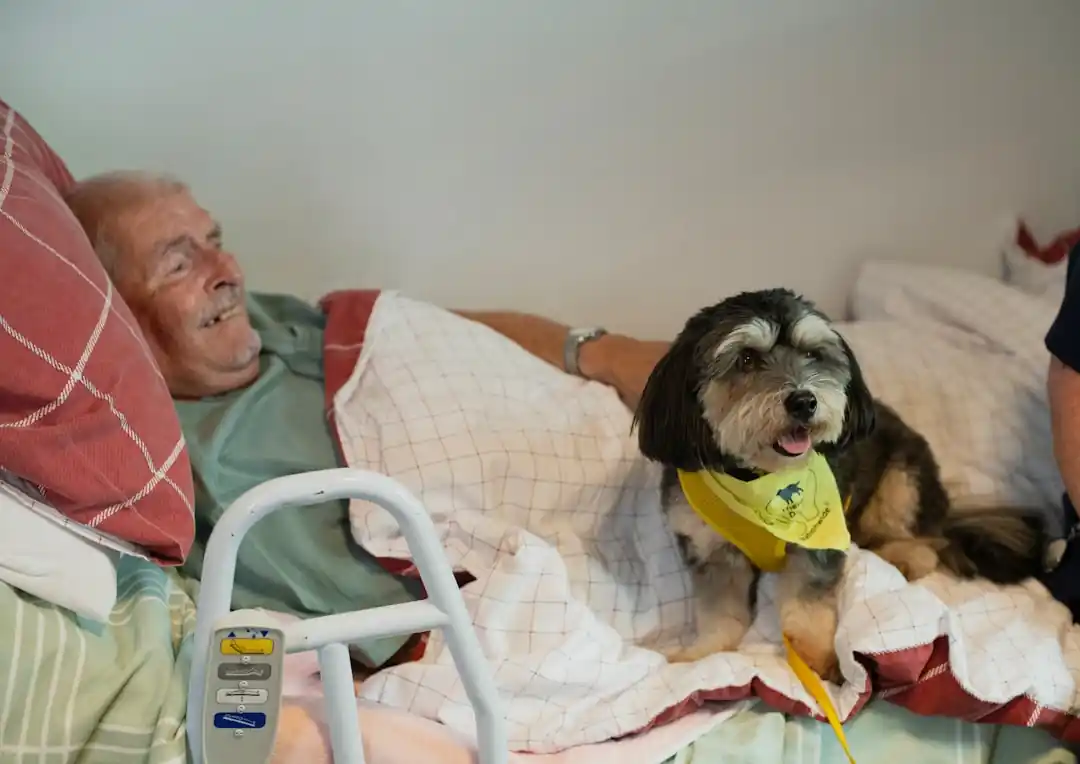
The Unspoken Medicine: How Pet Therapy Is Transforming Hospital Stays
The Quiet Heroes: A Guide to Becoming a Hospital Volunteer

Related Posts
 HOBBIES
The Beginner's Guide to Reading the Night Sky: How to Spot Your First Constellations
A friendly, grounded guide to navigating the night sky, understanding stellar movements, and spotting iconic constellations without expensive gear.
 PETS
PETSSniffle-Free Snuggles: America's Most-Loved Hypoallergenic Dogs
Dreaming of a furry friend but dreading the sneezes? You're not alone. Let's dive into the wonderful world of popular hypoallergenic dog breeds in the US.

Popular Posts

Rethinking Non-Profit Promotion: Creative Strategies That Actually Drive Event Impact

Beyond Stark White: The Best Interior Paint Colors to Light Up Your New Space

How to Actually Master a New Language on Your Own (No Magic Gene Required)
