It's a thought no pet owner wants to have, but preparing for a disaster is one of the most important things we can do. Here’s how to build a solid plan that keeps your furry family members safe.
It’s a quiet Tuesday afternoon when the weather alerts start buzzing on your phone. A distant rumble confirms what the urgent text says: a severe storm is approaching, and evacuations might be necessary. You glance at your dog sleeping peacefully on the rug, or your cat curled up in a sunbeam, and a knot of anxiety tightens in your stomach. In the rush to secure your home and family, have you truly prepared for them?
Honestly, it’s a scenario I used to push to the back of my mind. It felt too overwhelming, too unlikely. But as I started reading through guidelines from FEMA and the ASPCA, I realized that ignoring it was a gamble I wasn't willing to take with my best friend. Creating a pet emergency plan isn't about dwelling on worst-case scenarios; it's about taking control and ensuring that no matter what happens, your beloved companion is protected. It’s a profound act of love.
So, let's walk through this together. It’s simpler than you think, and the peace of mind it brings is immeasurable.
Building Your Pet's "Go-Bag"
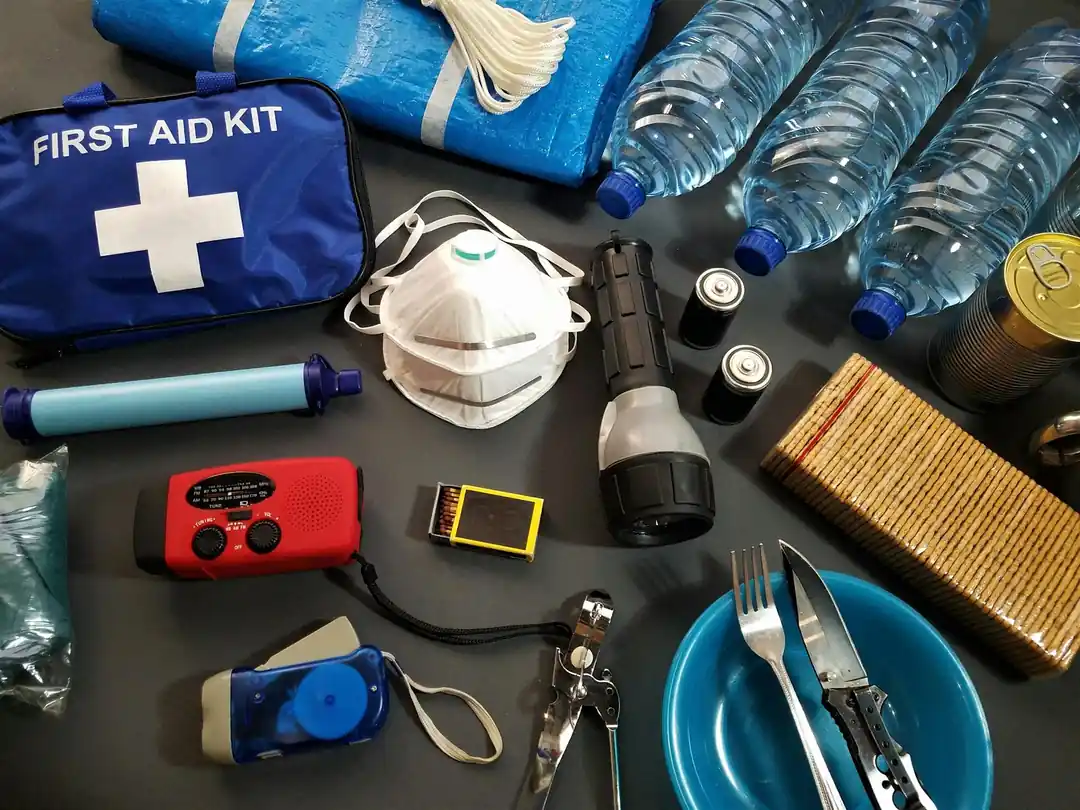
First things first, every pet needs a "go-bag" or an emergency kit. The goal is to have everything your pet would need for at least five to seven days, packed and ready to grab at a moment's notice. I used to think a leash and a bag of kibble would be enough, but a real emergency requires a bit more foresight. According to Ready.gov, a national public service campaign, your kit should be a comprehensive collection of supplies that addresses all your pet's needs, from food to first aid.
Start with the absolute essentials: food and water. Pack at least a week's supply of their regular food in a waterproof container. This is important because sudden dietary changes can cause digestive issues, which is the last thing you want to deal with in a stressful situation. Don't forget to pack bottled water specifically for your pet, along with collapsible food and water bowls. A manual can opener is a must if you use canned food.
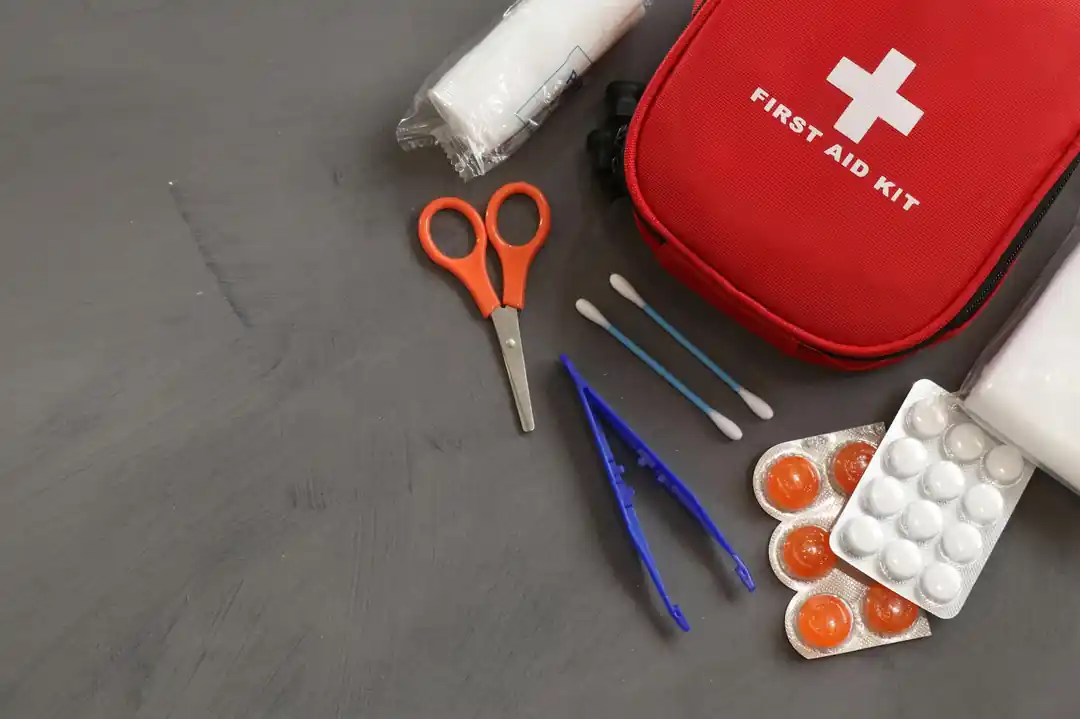
Next, think about their health and safety. This means gathering any medications they take daily and packing at least a two-week supply. It's also wise to assemble a pet-specific first-aid kit. You can buy pre-made ones or build your own with items like non-stick bandages, antiseptic wipes, and gauze. The ASPCA has a great checklist online if you need guidance. Also, include copies of their medical records, vaccination history, and your vet's contact information in a sealed plastic bag. This is critical if you need to board your pet or seek emergency veterinary care.
Finally, don't forget the practical and comfort items. A spare leash and collar or harness are non-negotiable. Make sure their ID tag is up-to-date with your cell phone number. For cats, a small litter box and litter are essential. For all pets, include waste bags for cleanup. And perhaps most importantly, pack a favorite toy or a blanket that smells like home. These small comforts can significantly reduce their anxiety and make a scary situation feel a little more manageable.
Planning Beyond the Bag: Your Evacuation Strategy
Having a kit is a huge step, but knowing where you're going is just as important. The hard truth is that most American Red Cross disaster shelters cannot accept pets due to health regulations (service animals are the exception). This is a detail that trips up many well-intentioned owners in the heat of the moment. You cannot assume you'll be able to bring your pet with you to a standard shelter.
This is where pre-planning becomes your superpower. Start by researching pet-friendly accommodations in a 50-100 mile radius. Many hotel chains now welcome pets, but their policies can change, so it's a good idea to call ahead and confirm. Keep a list of these places—with their phone numbers and addresses—in your emergency kit. Think outside the box, too. Talk to friends or relatives who live outside your immediate area and would be willing to host you and your pets.
Another brilliant strategy recommended by the Humane Society of the United States is creating a "buddy system" with a trusted neighbor. This person should have a key to your home and be familiar with your pets. If a disaster strikes while you're at work or away, your buddy can step in to evacuate them on your behalf. Make sure you have a reciprocal arrangement. It’s a simple agreement that can be a literal lifesaver.
And what if you get separated? It's a heartbreaking thought, but it happens. Make sure your pet is microchipped and that the registration is current with your address and phone number. In your go-bag, keep a recent, clear photo of you with your pet. This can help you prove ownership and is essential for creating "lost pet" flyers. These small, proactive steps can make all the difference in a chaotic aftermath.
When the Alert Sounds: Acting Calmly and Decisively
When an evacuation order is issued, the key is to act quickly but calmly. Your pets are incredibly attuned to your emotions; if you're frantic, they will be too. Bring them inside immediately and place them in their carriers. I know, getting a cat into a carrier can feel like a battle, but it's so important to do it early before panic sets in. Keep them in a secure room while you load your car.
If you have a "Pets Inside" sticker on your window, the ASPCA recommends writing "EVACUATED" across it before you leave. This lets first responders know that your animals are safe with you and they don't need to waste precious time searching for them. Once you're on the road, try to keep their routine as normal as possible. Offer them water at stops and speak to them in a reassuring voice.
The thought of leaving our homes is unsettling for anyone, but for our pets, it can be truly terrifying. They don't understand what's happening. By having a plan, a packed bag, and a clear destination, you're removing the guesswork and anxiety from an already fraught situation. You're giving them, and yourself, the best possible chance of weathering the storm safely, together.
Taking an afternoon to put this plan in place is a small investment of time that pays huge dividends in peace of mind. Your pet depends on you for everything, and in an emergency, that reliance is absolute. Let's be the calm, prepared leaders they need us to be.
That 'What If' Moment: Why Every Dog Owner Needs a First-Aid Kit
The Beginner's Guide to an Impossible Hobby: Building Your First Ship in a Bottle

Related Posts
 HOBBIES
The Beginner's Guide to Reading the Night Sky: How to Spot Your First Constellations
A friendly, grounded guide to navigating the night sky, understanding stellar movements, and spotting iconic constellations without expensive gear.
 PETS
PETSSniffle-Free Snuggles: America's Most-Loved Hypoallergenic Dogs
Dreaming of a furry friend but dreading the sneezes? You're not alone. Let's dive into the wonderful world of popular hypoallergenic dog breeds in the US.

Popular Posts

Rethinking Non-Profit Promotion: Creative Strategies That Actually Drive Event Impact

Beyond Stark White: The Best Interior Paint Colors to Light Up Your New Space

How to Actually Master a New Language on Your Own (No Magic Gene Required)
