Dreaming of the Maldives but not the resort prices? Discover the secret to authentic, budget-friendly travel: the local ferry system. It's an adventure in itself.
When you picture the Maldives, your mind probably floods with images of overwater villas, private infinity pools, and seaplanes gliding over turquoise lagoons. It’s a vision of ultimate luxury, and for good reason. But what if I told you there’s another side to this island paradise? A more authentic, accessible, and, honestly, more adventurous way to experience its beauty. I’m talking about hopping between local islands, and the key to unlocking this world is the humble public ferry.
For many, the idea of navigating public transport in a nation of nearly 1,200 islands sounds incredibly daunting. I get it. Before my first trip, I had visions of getting hopelessly lost or stranded. The transport system seemed like a complex web designed only for locals. However, I quickly discovered that the MTCC (Maldives Transport and Contracting Company) ferry network is not just a mode of transport; it's the very pulse of the archipelago. It’s your ticket to seeing the real Maldives, connecting with its culture, and doing it all on a budget that feels almost unbelievable.
Forget the steep prices of private speedboats for a moment. If you’re a traveler who craves genuine experiences over curated perfection, the local ferry is your best friend. It’s a slow, rhythmic journey that forces you to unwind and soak in the scenery. It’s where you’ll meet friendly locals, share stories, and witness the daily flow of life in this unique corner of the world. This isn’t just about getting from point A to B; it’s about the journey itself becoming a core memory of your trip.
Why Go Local? The Magic of the Dhoni Journey
The first and most obvious advantage of taking the local ferry is the price. It’s staggeringly cheap. A private speedboat transfer between islands can easily cost you $50, $100, or even more for a short trip. A seaplane? You’re looking at several hundred dollars. In stark contrast, a one-way public ferry ticket usually costs between $1 and $4. That’s not a typo. This incredible affordability completely changes the game, allowing you to island-hop for a week for less than the cost of a single speedboat ride.
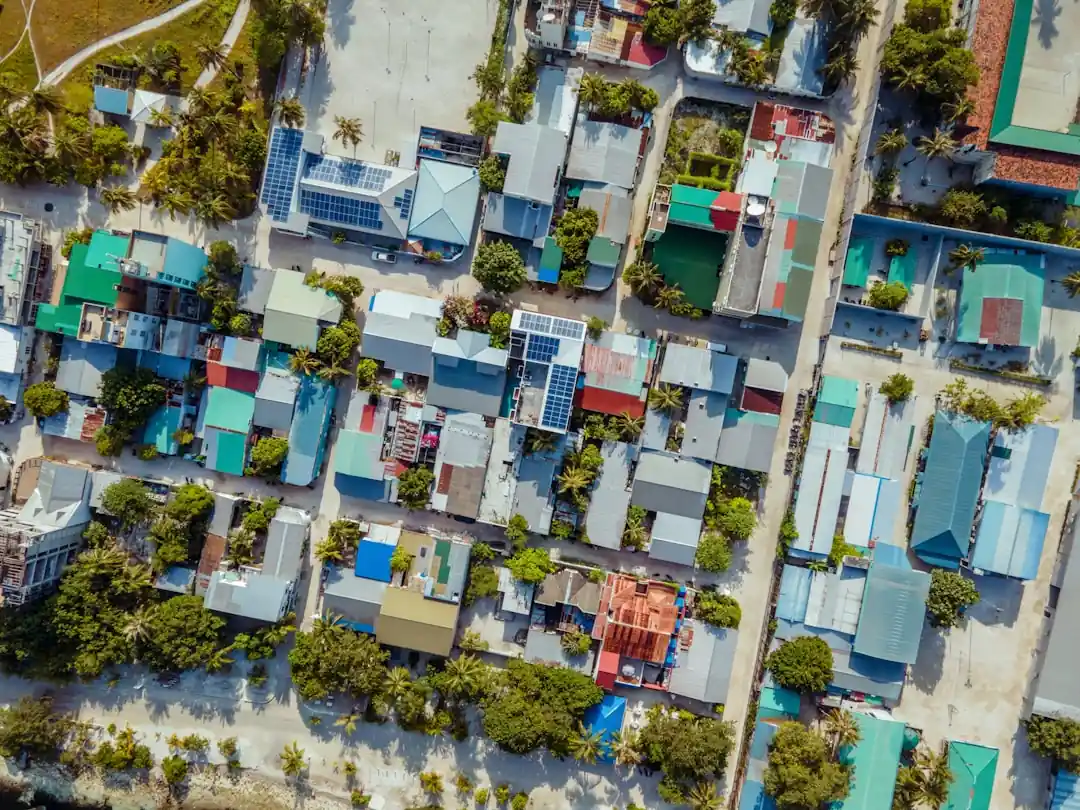
But the real magic goes far beyond your wallet. These ferries, often traditional wooden boats called 'dhonis', are the lifeblood of the local communities. They transport schoolchildren, families, produce, and supplies. By choosing to travel this way, you’re stepping out of the tourist bubble and into the real world of the Maldives. You’ll find yourself sharing a bench with a group of women chatting in Dhivehi, watching a fisherman haul his gear, or simply exchanging smiles with curious children. It’s an unfiltered, unscripted cultural immersion.
There’s also the pace. In a world that’s always rushing, the local ferry is an invitation to slow down. The journey is leisurely, giving you ample time to gaze at the endless shades of blue, spot flying fish, or even catch a glimpse of a dolphin pod playing in the boat's wake. You’re not just a passenger being shuttled to a destination; you’re part of a floating community, moving with the natural rhythm of the ocean. This is slow travel at its finest, and in a place as serene as the Maldives, it feels just right.
How It Works: A Crash Course in Ferry Hopping
Navigating the ferry system requires a little bit of planning, but it’s simpler than it looks. The main thing to understand is that the network is divided into atolls (groups of islands). Ferries run on specific routes within these atolls, and not every island is connected directly to every other island. Sometimes, you may need to travel back to a main hub island, or even the capital, Malé, to switch to a different ferry line.
The most critical rule to remember is that public ferries do not run on Fridays. Friday is the weekend in the Maldives, a day for family and prayer, and the entire country slows down. Plan your travel days accordingly to avoid getting stuck. For most routes, ferries run every other day or a few times a week. Schedules can and do change, often due to weather, so flexibility is key.
So, where do you find these schedules? The official MTCC website is a good starting point, but I’ve found the most reliable information often comes from the guesthouses on the local islands. When you book your accommodation, just send them a message asking for the latest ferry times. They deal with it every day and will have the most up-to-date information. For your initial arrival, the ferry from Velana International Airport to Malé is an exception—it runs 24/7, every 15-30 minutes, so you’ll never be stranded there.
Your First Ferry Ride: Practical Tips for Success
Ready to take the plunge? Here are a few practical tips. First, always carry cash, specifically local currency (Maldivian Rufiyaa, MVR). Tickets are bought at the ferry terminal right before you depart, and it’s almost always a cash-only transaction. The terminals in Malé are bustling hubs, so it's a good idea to arrive at least 30-45 minutes early to secure your spot. On smaller islands, you might just pay the crew as you board.
Comfort is another thing to consider. These are basic boats. While some newer vessels might have some enclosed seating, most are open-air, which is perfect for the views and the breeze. There are no cafes or snack bars on board, so bring plenty of water and some snacks, especially for longer journeys that can last several hours. Sunscreen and a hat are absolutely essential; the Maldivian sun is powerful, even with the ocean breeze.
Finally, have a backup plan. While the ferries are generally reliable, delays and cancellations can happen. If you have a flight to catch or a non-negotiable timeline, it might be wise to book a shared speedboat for your return trip to the airport. They are more expensive but offer more flexibility and speed. Embracing the local ferry is about embracing the adventure, and sometimes that means being prepared for a little unpredictability. The experience, however, is always worth it.

Whiteout on the Highway: What to Do When a Snow Squall Hits
That Iconic Maldives Seaplane Flight: Here’s What to Really Expect
Related Posts
 TRANSPORT
Beyond the Highway: Finding Canada's Soul on a Western Rail Adventure
Forget road trips. I'm talking about rediscovering the romance of travel on Via Rail's most scenic routes through the heart of the Canadian West. It’s an experience that changes you.
 TRAVEL TIPS
The Unwritten Rules of the North: What to Know Before Camping in Canada
Heading to the Great White North for a camping trip? It's an amazing idea. But from campfire etiquette to wildlife wisdom, here’s what you need to know before you go.

Popular Posts

Rethinking Non-Profit Promotion: Creative Strategies That Actually Drive Event Impact

How to Actually Master a New Language on Your Own (No Magic Gene Required)

The Simple Pre-Workout Fueling Strategy That Saved My Long Runs