Ever drive by a new neighborhood and wonder how it all came to be? It's a far more complex and fascinating journey than you might imagine, a marathon of vision, planning, and sheer grit.
Have you ever driven past a massive plot of land, all churned-up earth and heavy machinery, and then, a year or so later, seen a vibrant, bustling neighborhood standing in its place? It’s a modern marvel we often take for granted. I used to think it was a simple, almost linear process: buy land, build houses, sell them. The reality, I’ve learned, is an incredibly intricate dance of finance, engineering, art, and politics. It’s a high-stakes endeavor that can take years, sometimes even a decade, to bring from a glimmer of an idea to the moment a family turns the key in their new front door.
The journey of a housing development project in the U.S. is less of a straight line and more of a multi-act play, with each stage presenting its own unique drama and set of challenges. It’s a process that requires a staggering amount of foresight and coordination among a small army of professionals—from land surveyors and civil engineers to architects and city planners. Understanding these key stages doesn't just demystify the process; it gives you a profound appreciation for the communities we live in.
So, let's pull back the curtain. Whether you're a prospective homebuyer, a curious citizen, or just someone fascinated by how our world gets built, this journey from dust to doorstep is a compelling story of creation, risk, and reward.
Act I: The Dream and the Due Diligence
Every single development project begins not with a shovel, but with a question: "What if?" This is the Land Acquisition and Feasibility stage, and it's arguably the most critical. Before a developer sinks millions into a piece of land, they need to be reasonably sure their vision is not just possible, but profitable and beneficial to the area. This is where the dream meets the harsh reality of a spreadsheet. It's a period of intense, almost forensic, investigation.
First comes the market analysis. Who would want to live here? What kind of housing does this community actually need? Are we talking single-family homes for growing families, or denser, transit-oriented apartments for young professionals? Developers study demographic trends, local job growth, school quality, and nearby amenities. They analyze "comps" (comparable properties) to understand pricing and absorption rates—how quickly new homes are likely to sell or lease. This isn't guesswork; it's a data-driven attempt to predict the future.
Parallel to this is the physical and legal due diligence on the land itself. A developer will hire engineers to conduct environmental site assessments (to check for soil contamination or protected wetlands), topographical surveys, and geotechnical reports (to understand the soil's stability). At the same time, lawyers are digging through titles, deeds, and, most importantly, zoning regulations. Can you even build what you want to build here? This initial phase is a minefield of potential deal-killers, and a savvy developer navigates it with extreme caution before making the massive financial commitment to acquire the land.
Act II: The Blueprint and the Bureaucracy
Once the land is secured, the project enters the Design and Entitlements phase. This is where the abstract vision starts to take physical shape, at least on paper. Architects and civil engineers get to work, translating the market analysis and development goals into actual site plans and architectural drawings. How will the streets flow? Where will the parks and open spaces be? How do you maximize views while ensuring privacy? It's a complex puzzle of aesthetics, functionality, and cost.
The site plan lays out the entire community's infrastructure: roads, sidewalks, water lines, sewer systems, and stormwater management. The home designs themselves are refined to match the target demographic, balancing curb appeal with efficient, livable floor plans. This is a highly collaborative process, a constant back-and-forth between the developer, the design team, and the construction manager to ensure the plans are not just beautiful but also buildable within the budget.
However, designing the project is only half the battle. The other half is getting permission to build it. The entitlement process involves navigating a maze of government agencies to secure all the necessary permits and approvals. This often means presenting the project to the local planning commission and city council, a process that can involve public hearings where community members can voice their support or opposition. It can be a lengthy and politically charged ordeal, sometimes requiring developers to make significant concessions or add community benefits, like a new park or road improvements, to win approval.
Act III: The Final Hurdle - Construction and Completion
With entitlements in hand and financing secured, the project finally moves into the most visible and perhaps most viscerally exciting stage: Construction. This is where the years of planning, designing, and negotiating pay off as the community literally rises from the ground. The process typically starts with mass grading and infrastructure work. Crews build the roads, lay the utility lines, and prepare the individual lots.
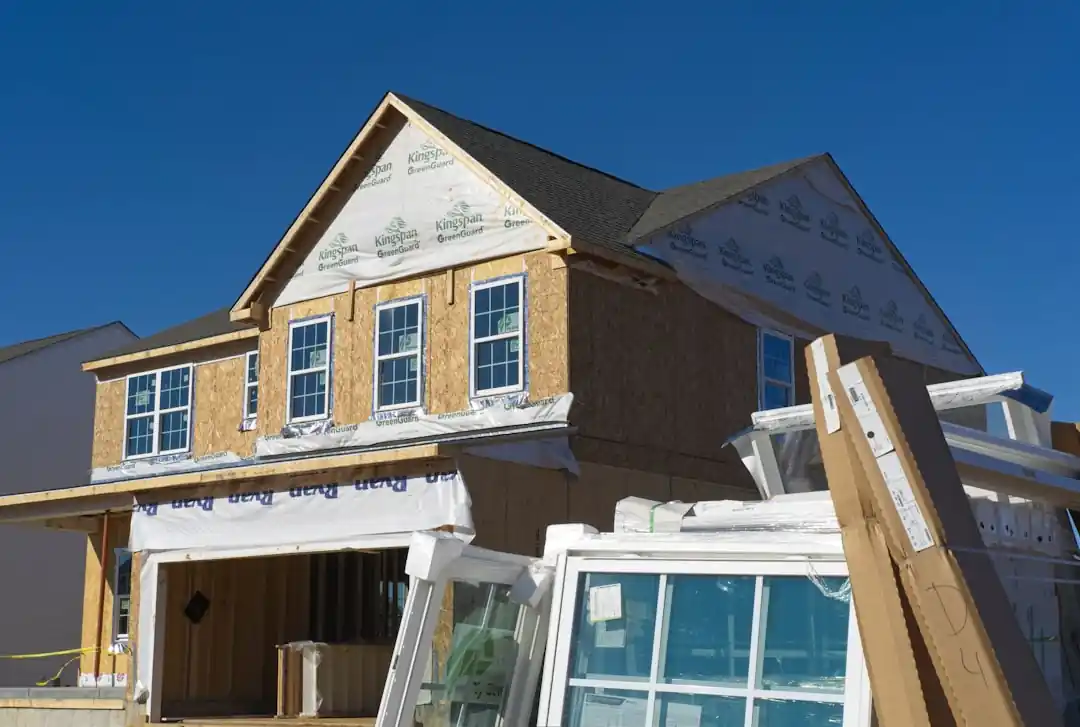
Following that, the vertical construction of the homes begins. It’s a carefully choreographed sequence, from pouring foundations and framing walls to installing roofing, windows, and siding. As the exterior shell is completed, the focus moves inside, where a flurry of specialized trades—electricians, plumbers, drywallers, and painters—work in concert to bring the interiors to life. A construction manager oversees this entire symphony, coordinating schedules, managing subcontractors, and ensuring that work is completed on time, on budget, and to the required quality and safety standards.
The final phase is the Marketing and Sales (or lease-up) of the homes. This often begins well before construction is finished, with developers building model homes and launching advertising campaigns to generate interest. As homes are completed, they are sold to individual buyers or rented to tenants. The developer's goal is to sell or lease the properties as quickly as possible to pay off construction loans and realize their return on investment. From the final walkthrough with the new homeowner to the official transfer of title, this last step is the culmination of the entire process—transforming a construction site into a living, breathing community. It’s the satisfying final act in a long and challenging play.

Your Guide to a Smarter, Greener Kitchen: Choosing Energy-Efficient Appliances
Beyond the Pitch: The B2B Sales Techniques That Are Actually Closing Deals

Related Posts
 INTERIOR IDEAS
Beyond Stark White: The Best Interior Paint Colors to Light Up Your New Space
Discover how moving away from flat white walls to soft pale blues, earthy sage greens, and cozy warm neutrals can naturally brighten your home.
 HOME IMPROVEMENT
The Honest Winter Energy Guide: How I Cut Heating Costs Without Freezing
Practical, research-backed ways to keep your home warm and your utility bills reasonable this winter, from simple DIY sealing to smart habits.

Popular Posts

Rethinking Non-Profit Promotion: Creative Strategies That Actually Drive Event Impact
Beyond Stark White: The Best Interior Paint Colors to Light Up Your New Space

The Simple Pre-Workout Fueling Strategy That Saved My Long Runs