Ready to leave those skidded turns behind? We're diving into the essential techniques for intermediate skiers to finally unlock that perfect, satisfying carve.
There's a distinct sound a perfectly carved turn makes—a clean, hissing shhhh as your ski edge slices through the snow. It’s a sound that, for many intermediate skiers, feels just out of reach. You're comfortable on the blues, you can link your parallel turns, but when you look back up the hill, you see more of a smeared, skidded track than the two perfect, pencil-thin lines you're dreaming of. If this sounds familiar, you're not alone. I spent what felt like an eternity in that exact spot, wondering what secret I was missing.
The truth is, the transition from skidding to carving is less about a secret and more about a shift in mindset and mechanics. It's about moving from pushing your skis around to letting them work for you. Modern skis are marvels of engineering, with a sidecut that is literally built to turn. The challenge, and the fun, is learning how to properly engage that sidecut. It’s a feeling of pure connection to the mountain, a fluid dance of pressure and release that is both exhilarating and incredibly efficient.
This isn't about becoming a racer overnight. It's about finding more joy, more control, and more confidence in every single run. It's about unlocking that next level of skiing where you feel less like a passenger and more like a pilot. So, let's break down what it really takes to stop skidding and start slicing.
The Foundation: Stance and Balance
Before we even think about the turn itself, we have to talk about your fundamental stance. So much of carving successfully comes down to what you're doing before you even initiate the turn. An athletic, balanced stance is non-negotiable. I used to be so focused on what my skis were doing that I'd forget my body was the engine driving them. My weight would creep back, and the turn would be doomed before it even started.
Think about your body as a stable platform. You want your feet about hip-width apart, your ankles and knees flexed, and your shins making firm contact with the front of your boots. This is critical. If you can feel a gap between your shin and the boot tongue, your weight is too far back. A great mental cue is to feel pressure on the balls of your feet. Your hands should be forward, as if you're carrying a tray, which helps keep your center of mass from falling behind you.
Another key concept is upper and lower body separation. Your legs and hips should do the turning, while your upper body remains relatively calm and pointed down the fall line (the most direct path down the hill). Imagine your torso is a turret on a tank; the base can rotate and move, but the turret stays aimed downhill. This separation allows you to maintain balance and control throughout the turn, preventing the common mistake of over-rotating with your shoulders, which almost always leads to a skid.
Engaging the Edge: It Starts with the Ankles
This is where the magic really begins to happen. A carved turn is made on the edge of the ski, not the base. The goal is to tip the ski over and let its shape, the sidecut, pull you through a natural arc. The mistake many intermediates make is trying to initiate this with a sharp twist of the hips or a big lean of the whole body. A true carve starts much more subtly, from the ground up.
It all begins with rolling your ankles and knees into the turn. As you finish one turn, you should smoothly and progressively roll your ankles and knees in the direction of the new turn. This movement tips the skis onto their new edges. Think of it as a gentle, fluid motion rather than an abrupt one. The more you roll, the higher the edge angle, and the tighter the arc of your turn will be.
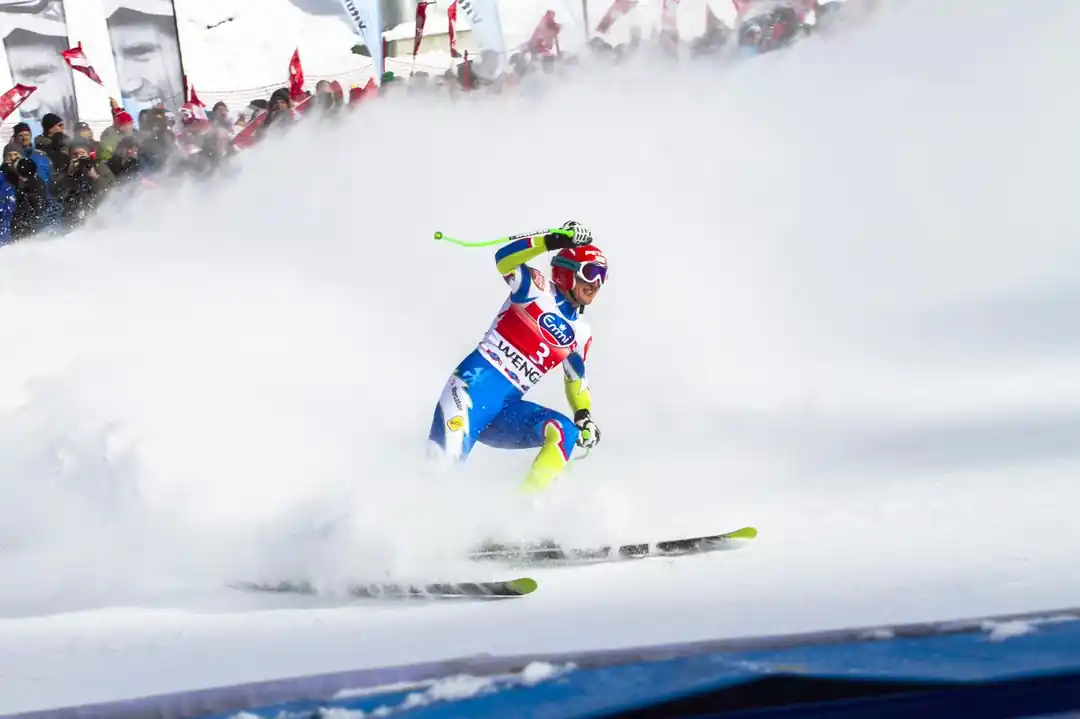
This is where the concept of angulation comes in. Angulation is creating angles in your body—specifically at the ankles, knees, and hips—to get the ski on a high edge angle while keeping your center of mass over the ski for balance. Instead of just leaning your whole body into the turn (which can make you lose balance), you drive your knees and hips into the turn, creating a "C" shape with your body. This allows you to maintain grip and pressure on that all-important outside ski.
The Role of Pressure: The Outside Ski is Your Hero
If you take only one thing away from this, let it be this: the outside ski is your hero. In a carved turn, the vast majority of your weight and pressure should be on the outside ski. This is what bends the ski into its arc and allows the edge to grip the snow. Many intermediates ride with their weight evenly distributed or, worse, on their inside ski, which is a recipe for instability and skidding.
As you roll your skis onto their edges, you need to actively shift your pressure to the outside ski. A great way to feel this is to consciously think about lifting your inside ski just a millimeter off the snow. You don't actually have to lift it, but the thought alone encourages the correct weight transfer. You should feel the pressure build along the entire length of your outside foot, from the ball of your foot to your heel, as you move through the turn.
This pressure needs to be dynamic. You start applying it as you initiate the turn, build it to a maximum at the apex (the middle of the turn), and then smoothly release it as you transition into the next turn. It’s a constant flow of energy from one outside ski to the other. When you get it right, you'll feel the ski load up with energy and then release it, propelling you across the slope into your next turn. It’s an active, powerful feeling, and it’s the heart and soul of a great carve.
The journey from skidding to carving is one of the most rewarding progressions in skiing. It takes practice and a lot of patience. Don't get discouraged if it doesn't click right away. Focus on one element at a time—start with your stance, then move to your edge engagement, and finally layer in the pressure control. Find a wide, groomed blue run, give yourself space, and just play with the feelings. Soon enough, you'll hear that satisfying shhhh and know you've found the sweet spot.
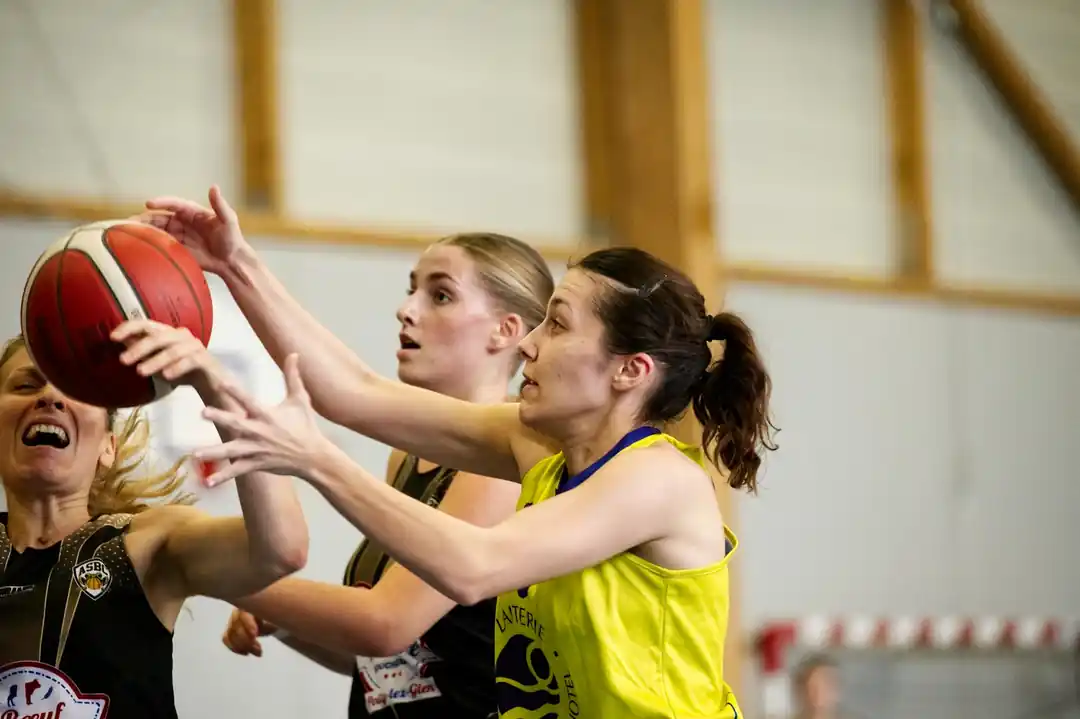
More Than a Game: The Subtle Rule Differences That Define Women's Basketball
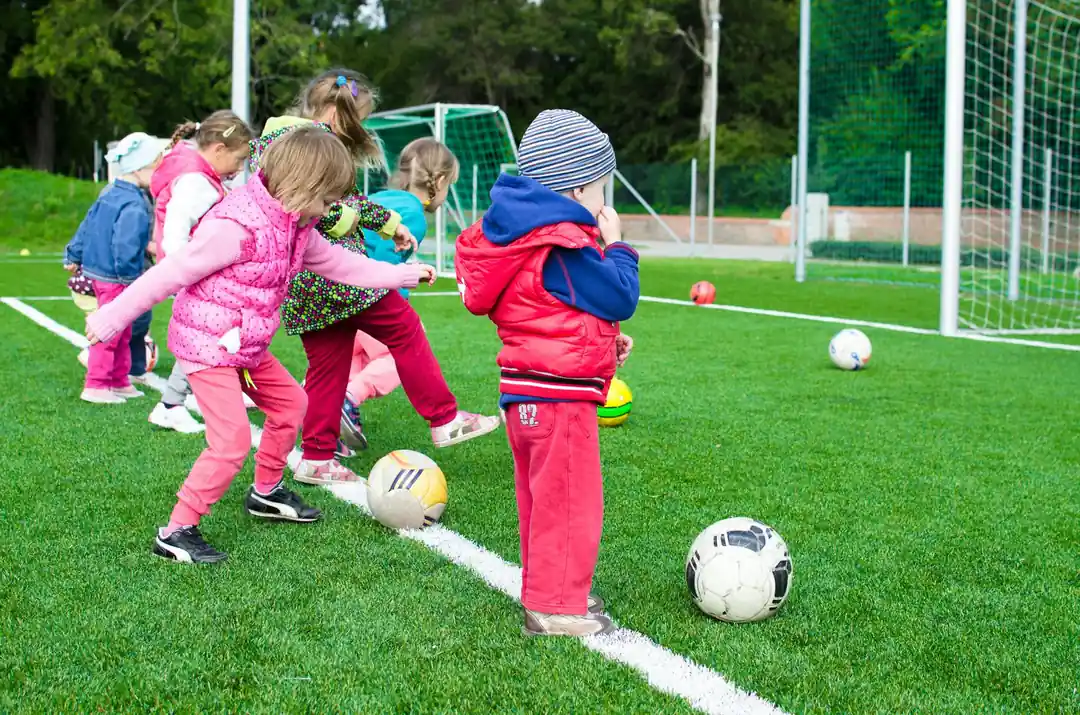
Forget the Rulebook: How to Teach Kids the Joy of Soccer
Related Posts
 HOBBIES
The Beginner's Guide to Reading the Night Sky: How to Spot Your First Constellations
A friendly, grounded guide to navigating the night sky, understanding stellar movements, and spotting iconic constellations without expensive gear.
 PETS
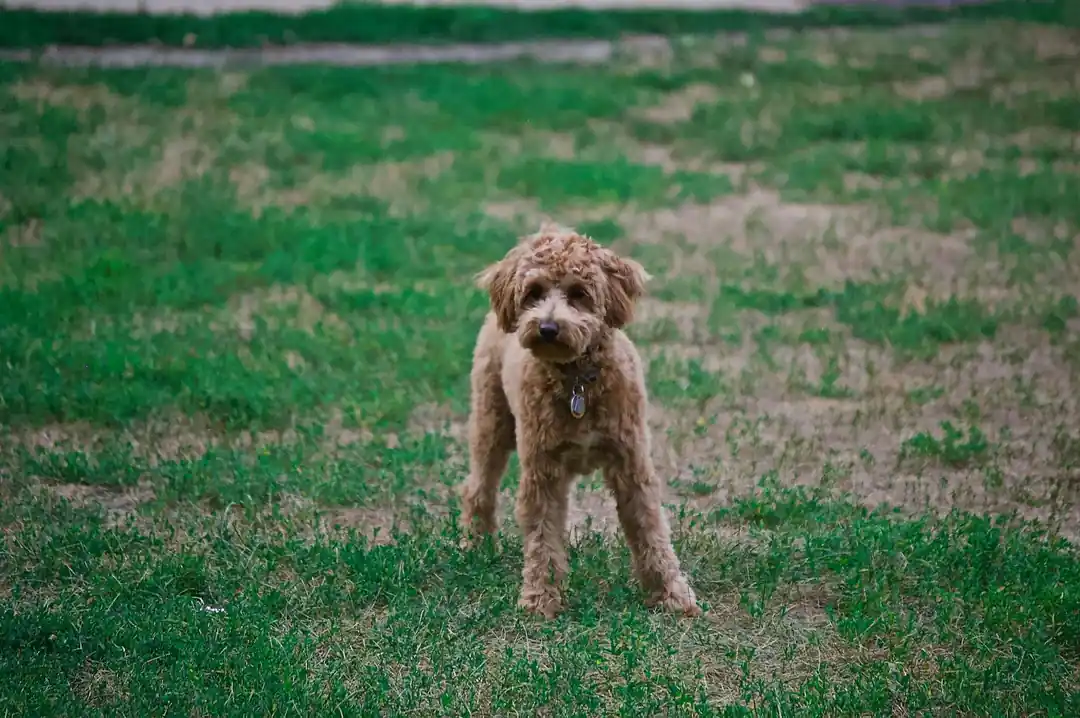
PETSSniffle-Free Snuggles: America's Most-Loved Hypoallergenic Dogs
Dreaming of a furry friend but dreading the sneezes? You're not alone. Let's dive into the wonderful world of popular hypoallergenic dog breeds in the US.

Popular Posts

Rethinking Non-Profit Promotion: Creative Strategies That Actually Drive Event Impact

Beyond Stark White: The Best Interior Paint Colors to Light Up Your New Space

How to Actually Master a New Language on Your Own (No Magic Gene Required)
