Creating a Backyard Haven: How to Wildlife-Proof Your Yard Without Harming Animals
Love your garden but tired of sharing it with hungry critters? Let's explore how to create a beautiful, protected backyard that peacefully coexists with local wildlife.
There’s a certain magic to stepping into your own backyard. It’s a sanctuary, a place where you’ve poured your heart and soul into cultivating rows of vibrant vegetables and fragrant flowers. But then comes that all-too-familiar moment of deflation: you walk out, coffee in hand, to find your prize-winning tomatoes have become a midnight snack for a deer, or your tender lettuce shoots have been neatly clipped by a rabbit. It’s a frustrating cycle, one that can make you feel like you're in a constant battle.
For years, I felt this exact tension. I live in an area where suburbia gently blends into woodlands, and while I adore seeing a family of deer wander past or a raccoon ambling along a fence line, their presence in my garden felt like a personal affront to my hard work. My initial reaction was to find ways to get them out. But over time, I realized the goal wasn't to evict them, but to coexist. It’s their home, too. The real challenge was to create a space that I could enjoy without it being an open invitation for a critter convention.
This shift in perspective changed everything. I started researching and discovered a world of humane, effective strategies designed not to harm, but to gently deter. It’s about creating boundaries and making your garden less of an easy target. It turns out, you can have a thriving, beautiful backyard and still be a good neighbor to the wildlife that shares your space. It just requires a bit of creativity, understanding, and a willingness to work with nature, rather than against it.
The First Line of Defense: Removing the Welcome Mat
Before you even think about fences or repellents, the most crucial first step is to take a good, hard look at your yard from a wild animal’s perspective. Often, we’re unintentionally rolling out the welcome mat by providing exactly what they’re looking for: food, water, and shelter. Addressing these attractants is the foundation of any humane wildlife-proofing strategy. It’s less about building a fortress and more about closing down the free buffet.
Think about your trash and compost. A raccoon or bear can smell last night's leftovers from a remarkable distance. I learned this the hard way after a particularly messy encounter involving a tipped-over bin and a trail of garbage across my lawn. Securing your trash can lids with bungee cords or storing them in a garage or shed until pickup day is a simple but incredibly effective fix. Similarly, an open compost pile rich with fruit and vegetable scraps is a goldmine for critters. Using an enclosed compost tumbler or ensuring your pile is properly managed can make a huge difference.
Pet food is another major culprit. Leaving a bowl of kibble out on the porch overnight is like sending a written invitation to every raccoon, opossum, and skunk in the vicinity. Make it a habit to feed your pets indoors or to bring their bowls in as soon as they’re finished eating. The same goes for bird feeders. While they bring delightful feathered friends, they also spill seed, attracting squirrels, chipmunks, and even deer. Placing feeders away from your main garden and using trays to catch spills can help minimize the unintended consequences.
Building Better Boundaries: Fencing and Barriers
Once you’ve removed the obvious temptations, the next step is creating physical barriers. This is often the most effective, long-term solution for protecting specific areas, especially vegetable gardens. The key is to choose the right type of barrier for the animal you’re trying to deter. A one-size-fits-all approach rarely works, as a fence that stops a rabbit won’t even slow down a deer.
For smaller animals like rabbits and groundhogs, a well-constructed fence can be a game-changer. I’ve found that a fence made of chicken wire or hardware cloth, about 2-3 feet high, is usually sufficient to stop a rabbit from hopping over. However, as many gardeners know, these critters are also proficient diggers. To counter this, you must bury the bottom of the fence at least 6 inches to a foot deep, or bend it into an L-shape along the ground, facing outward. This creates an underground barrier that stops them right in their tracks when they try to tunnel in.
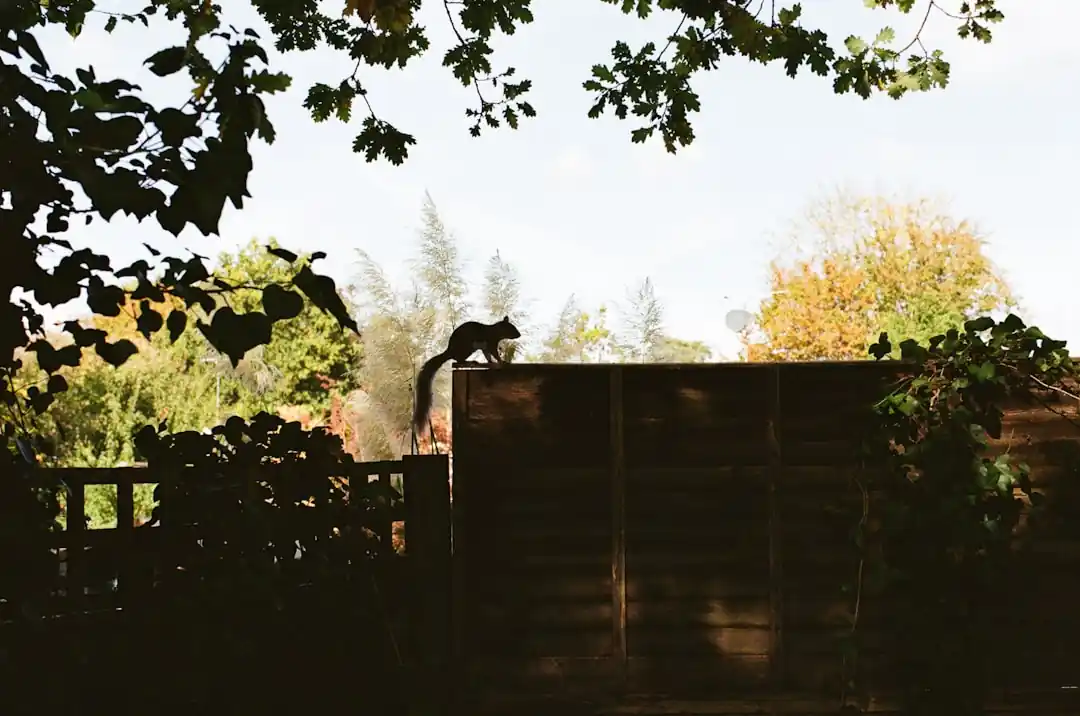
When it comes to deer, you have to think bigger. A deer can easily clear a 6-foot fence, so experts recommend a height of at least 8 feet for it to be a reliable deterrent. If a towering fence isn’t practical or aesthetically pleasing for your space, consider a double-fence design—two lower fences placed about 4-5 feet apart. Deer have poor depth perception and are hesitant to jump into a space where they can’t see a clear landing. For individual shrubs or young trees, simple plastic netting or tree guards can provide the protection they need during their most vulnerable stages.
Engaging the Senses: Repellents That Gently Say 'Go Away'
Physical barriers are fantastic, but sometimes you need a more nuanced approach. This is where sensory deterrents come in. By using scents, tastes, and sounds that animals find unpleasant, you can make your garden a much less appealing place to hang out, all without causing any harm. It’s like creating an invisible shield of "nope" around your plants.
Many animals, especially deer, have an incredibly powerful sense of smell. You can use this to your advantage by planting things they naturally dislike. Aromatic herbs like lavender, rosemary, mint, and sage are beautiful additions to any garden and happen to be unappealing to many critters. Planting a border of these around your more vulnerable vegetables can be a surprisingly effective strategy. Some gardeners also swear by hanging bars of strong-smelling soap from trees or fences, as the scent can be enough to keep deer at bay.
Commercial repellents, often made from ingredients like garlic, hot pepper wax, or predator urine, can also work well. These need to be reapplied regularly, especially after it rains, but they can create a powerful message that your garden is not a safe place to eat. For a DIY approach, a simple spray made from water, a bit of dish soap, and a generous amount of cayenne pepper can make your plants taste terrible to would-be nibblers. Just be sure to test it on a small leaf first to ensure it doesn’t harm the plant.
Finally, don’t forget about sound and motion. A sudden, unexpected noise or movement can be enough to startle a timid animal away. Motion-activated sprinklers are a brilliant and harmless solution; they deliver a surprising jet of water that sends most animals running. Similarly, wind chimes, reflective tape that flutters in the breeze, or even a few strategically placed pinwheels can create enough unpredictable movement and light flashes to make animals wary. The goal is simply to make your yard feel a little less calm and a little more unpredictable.
Creating a wildlife-friendly backyard is a journey of trial and error, but it’s one of the most rewarding things you can do as a gardener. It’s about fostering a sense of harmony, where you can enjoy the fruits of your labor while still appreciating the wild beauty around you. With a little patience and a lot of love, you can cultivate a space that truly allows everyone—and everything—to thrive.

Beyond the Overwater Bungalow: Finding the Real Maldives on Local Islands
The Silent Stories: A Field Guide to North American Animal Tracks

Related Posts
 HOBBIES
The Beginner's Guide to Reading the Night Sky: How to Spot Your First Constellations
A friendly, grounded guide to navigating the night sky, understanding stellar movements, and spotting iconic constellations without expensive gear.
 PETS
PETSSniffle-Free Snuggles: America's Most-Loved Hypoallergenic Dogs
Dreaming of a furry friend but dreading the sneezes? You're not alone. Let's dive into the wonderful world of popular hypoallergenic dog breeds in the US.

Popular Posts

Rethinking Non-Profit Promotion: Creative Strategies That Actually Drive Event Impact

Beyond Stark White: The Best Interior Paint Colors to Light Up Your New Space

How to Actually Master a New Language on Your Own (No Magic Gene Required)
