Unlocking the Great White North: Your American Guide to Budget Canada Travel
Dreaming of Canada's majestic landscapes but worried about your wallet? Here’s how to experience the best of our northern neighbor without breaking the bank.
There’s a certain magic to the idea of Canada, isn't there? For those of us in the US, it’s this vast, beautiful, and wonderfully polite neighbor to the north. I’ve lost count of how many times I’ve scrolled through photos of impossibly blue lakes in Banff or the charming, historic streets of Old Québec, thinking, one day. For a long time, that "one day" felt like it needed to be accompanied by a hefty savings account. I always associated the epic landscapes and clean, vibrant cities with an equally epic price tag.
Honestly, I couldn't have been more wrong. My first real budget trip through Canada was a revelation. It turns out, with a bit of clever planning and a willingness to embrace the journey, you can absolutely experience the Great White North without your wallet waving a white flag. It’s less about sacrifice and more about being savvy—knowing when to go, how to get around, and where to find those hidden gems that offer priceless experiences for a fraction of the cost.
The best part? The current exchange rate is a huge win for Americans. That little bit of extra power your dollar has can make a noticeable difference, stretching your budget further than you might expect. So, if you’ve been putting off that Canadian dream, let’s talk about how to make it a reality. It’s closer and more affordable than you think.
Timing is Everything: The Shoulder Season Secret
One of the biggest levers you can pull to control your travel costs is when you go. The peak summer months of July and August in Canada are beautiful, no doubt, but they also come with peak prices for flights, accommodations, and even some attractions. Everyone wants that perfect summer weather, and the tourism industry prices accordingly. This is where the magic of the "shoulder seasons" comes in.
I’m talking about late spring (May and June) and early fall (September and October). These periods are the sweet spot for budget travel in Canada. The weather is often still fantastic—think pleasant, sunny days perfect for hiking, but without the sweltering heat or the swarms of tourists. I once visited the Rockies in mid-September, and the golden larches against the mountain backdrop were something I’ll never forget. It felt like a private showing of nature’s best work.
During these months, you’ll find that flight prices drop significantly, and accommodations are much more reasonably priced. You’re also more likely to find availability at popular spots, like coveted campsites or well-reviewed hotels, without having to book a year in advance. It’s a simple shift in timing that can save you hundreds of dollars and, in my opinion, offers a much more authentic and relaxed travel experience.
Getting Around for Less: Road Trips, Rails, and Ride-Shares
Canada is the second-largest country in the world by land area, so transportation can be a major budget item. Flying between cities like Vancouver and Toronto can be expensive and time-consuming. This is where you get to be creative and embrace the journey as part of the adventure. For many Americans, especially those living in northern states, driving is the most economical choice.
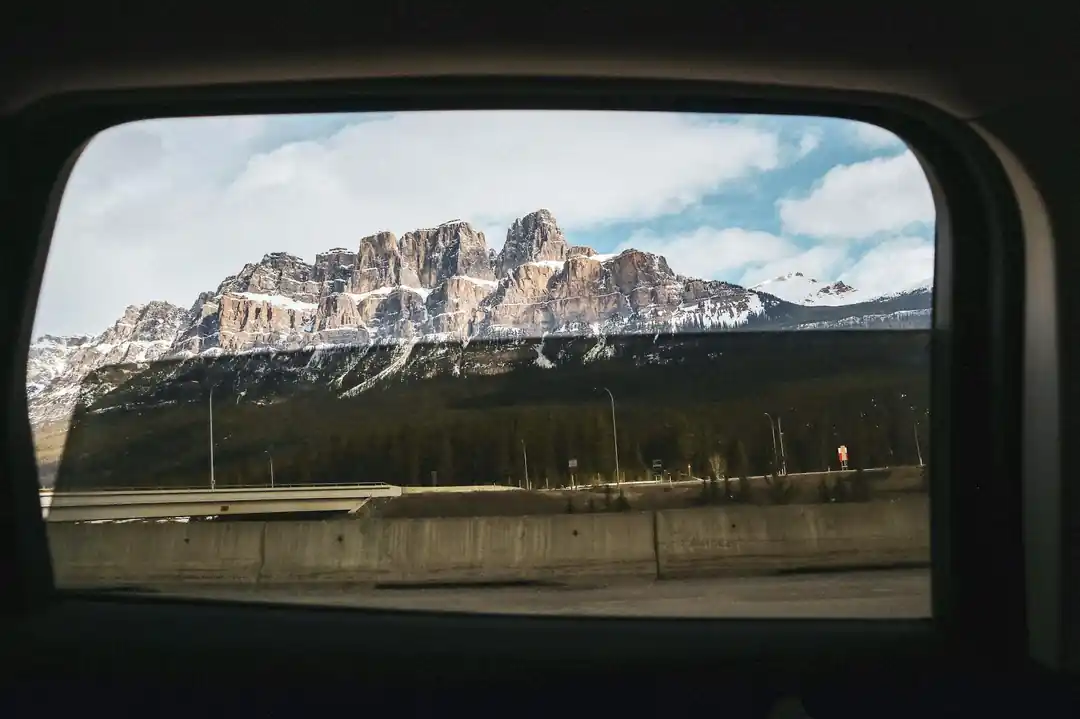
A Canadian road trip is iconic for a reason. You have complete freedom to explore at your own pace, pack your own food, and discover unexpected detours. If you don't want to drive your own car, consider renting one. For a truly budget-friendly approach that combines transport and lodging, renting a campervan can be a game-changer, especially for exploring the national parks. Just remember to book campsites in advance, as they fill up quickly!
If you're covering long distances, don't overlook VIA Rail, Canada's national train service. They often have "Discount Tuesday" deals that offer significant savings on routes across the country. It’s a comfortable and scenic way to travel. For shorter hops between cities, especially in the more populated corridors of Ontario and Quebec, bus services like Megabus or FlixBus are incredibly affordable. And within cities, public transit is your best friend. A day pass for the bus or subway is a small investment that will save you a fortune compared to relying on taxis or ride-sharing apps.
Accommodation Hacks: From Hostels to Camping
After transportation, lodging is usually the next biggest expense. But it doesn't have to be. Canada has a fantastic network of accommodation options that go far beyond pricey hotels. It’s all about matching your comfort level with your budget.
Hostels are a phenomenal option, and they aren't just for university students. Many modern hostels in Canada offer private rooms (sometimes with private bathrooms) that are clean, safe, and a fraction of the price of a hotel. The added bonus is the communal kitchen, which is a budget-saver’s dream. Being able to cook your own breakfast and pack a lunch can easily save you $30-40 a day. I’ve met some of the most interesting travelers in hostel common rooms and gotten the best local tips there.
For the ultimate budget accommodation, you can’t beat camping. Canada’s national and provincial parks are world-class, offering campsites in some of the most stunning locations imaginable for a very low nightly fee. Waking up to a mountain view or the sound of a nearby lake is a five-star experience on a one-star budget. If you’re not equipped for tenting, many parks now offer "oTENTiks"—a cross between a tent and a rustic cabin—that provide a bit more comfort without a huge price jump.
Eat Well, Spend Less: The Grocery Store is Your Friend
Food is one of the best parts of travel, but eating out for every meal will drain your funds in a hurry. The key to eating well on a budget in Canada is to balance restaurant meals with self-catering. This is where that hostel kitchen or campsite grill comes in handy.
Make a point to visit local grocery stores. It’s not just a way to save money; it’s a cultural experience. You’ll see different brands, local products, and get a real sense of daily life. Stock up on breakfast items, snacks, and lunch supplies. A picnic lunch in a beautiful park is often far more memorable (and certainly cheaper) than a crowded restaurant.
When you do eat out, do it smartly. Look for lunch specials, which often feature the same food as the dinner menu for a lower price. Venture away from the main tourist drags; a few blocks can make a huge difference in price and authenticity. And don't be afraid to indulge in Canada's amazing street food scene, from poutine in Quebec to food trucks in Vancouver. It’s a delicious and affordable way to sample local flavors.
Your Canadian adventure doesn't need a massive budget, just a bit of thoughtful planning. It’s a country that rewards the curious and the resourceful, with world-class beauty that is accessible to everyone. So start planning, pack your bags, and get ready to say "Oh, Canada!" for yourself. The open road is waiting.
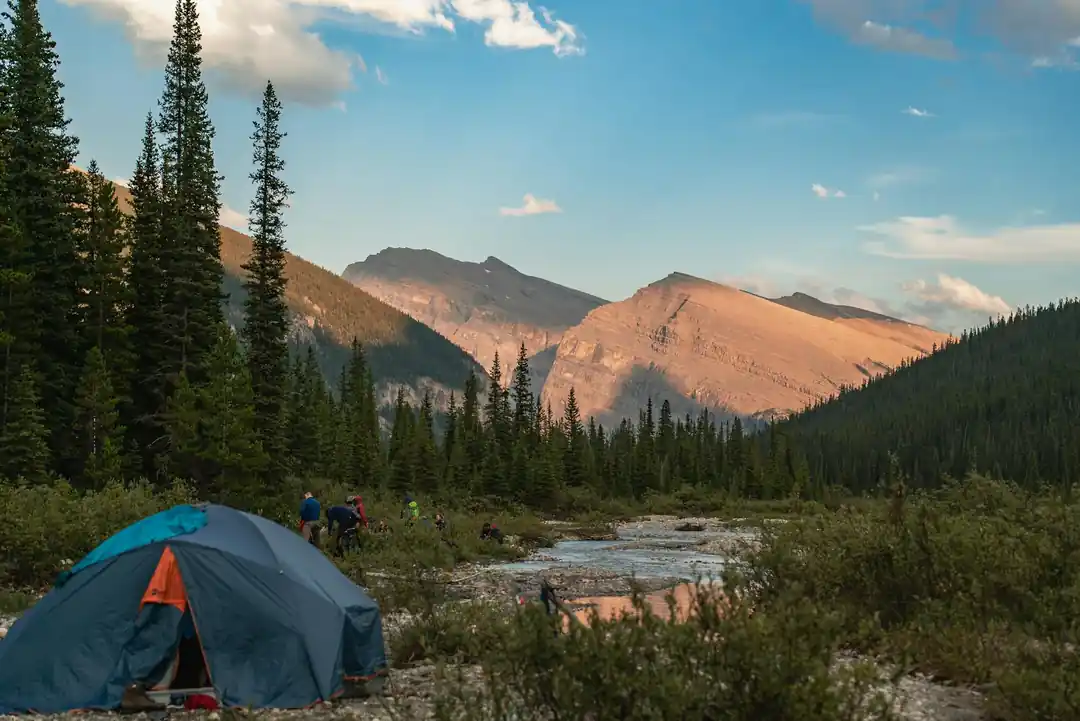
The Unwritten Rules of the North: What to Know Before Camping in Canada
How to Ride Vancouver's Public Transit Like a Local

Related Posts
 TRANSPORT
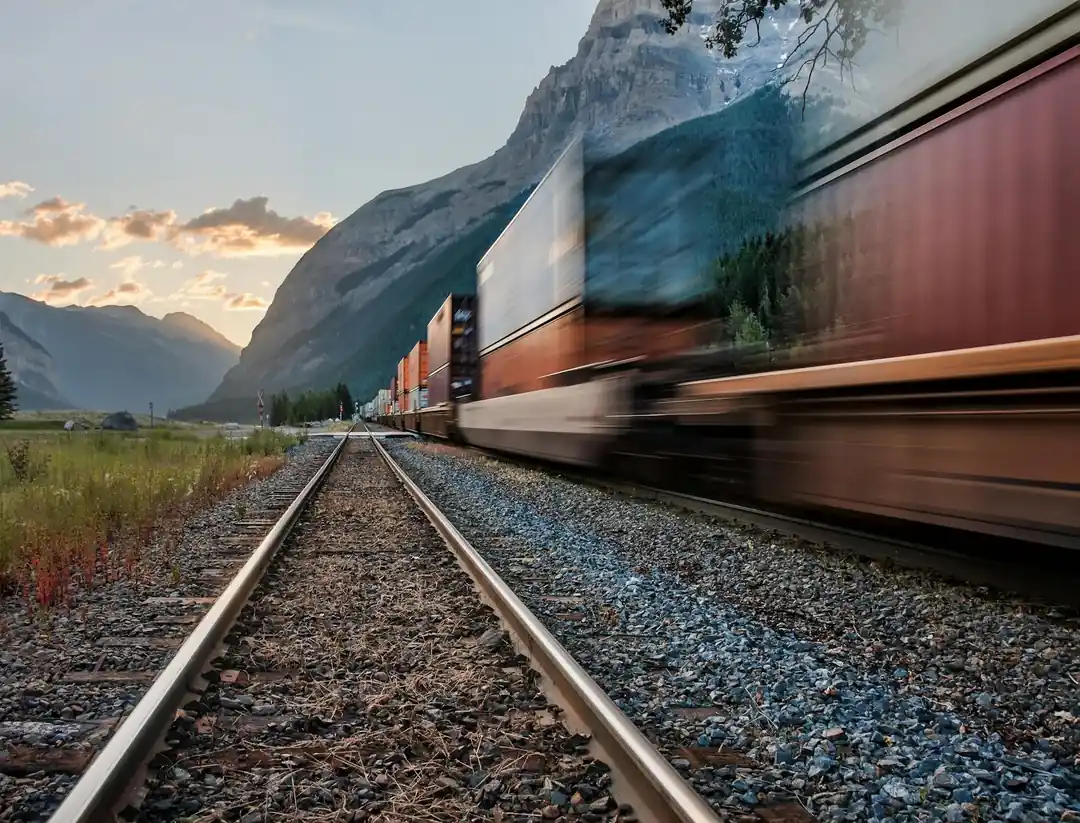
Beyond the Highway: Finding Canada's Soul on a Western Rail Adventure
Forget road trips. I'm talking about rediscovering the romance of travel on Via Rail's most scenic routes through the heart of the Canadian West. It’s an experience that changes you.
TRAVEL TIPSThe Unwritten Rules of the North: What to Know Before Camping in Canada
Heading to the Great White North for a camping trip? It's an amazing idea. But from campfire etiquette to wildlife wisdom, here’s what you need to know before you go.

Popular Posts

Rethinking Non-Profit Promotion: Creative Strategies That Actually Drive Event Impact

Beyond Stark White: The Best Interior Paint Colors to Light Up Your New Space

How to Actually Master a New Language on Your Own (No Magic Gene Required)
