Thinking of exploring the vast, beautiful landscapes of Kazakhstan? Getting between cities is an adventure in itself. Here’s a breakdown of your best options.
There’s a certain romance to a country you can’t fully comprehend on a map. When you first look at Kazakhstan, the ninth-largest country in the world, the sheer scale of it is almost dizzying. It’s a place where futuristic cities rise dramatically from the oldest, most expansive grasslands on earth—the Great Steppe. For a traveler, this presents a fascinating question: what’s the best way to actually get around a place this massive?
Honestly, planning my first trip there felt like a puzzle. Do you embrace the slow, meditative journey across the land, or do you hop between futuristic hubs in the sky? The answer, I found, isn’t about finding the one “best” way, but about understanding the trade-offs and choosing the adventure that calls to you. The way you travel between Almaty’s alpine beauty and Astana’s glittering skyline fundamentally shapes your experience of the country.
I’ve always believed that how you get from point A to point B is a huge part of the story. In Kazakhstan, that story can be one of quiet reflection on an overnight train, a quick and efficient flight that gives you more time on the ground, or a bumpy, laughter-filled ride in a shared taxi. So, let’s break down the real-world options for traversing this incredible nation.
The Iron Horse: Embracing the Romance of Train Travel
There is nothing quite like watching the endless, golden steppe roll by from the window of a train. It’s hypnotic. In Kazakhstan, the railway is the backbone of the country, a sprawling network inherited from the Soviet era that connects its most vital points. For many travelers, this is the quintessential Kazakh travel experience. The national carrier, Kazakhstan Temir Zholy (KTZ), operates a fleet that ranges from modern, high-speed trains to older, more character-filled carriages.
Your main choice will be between the sleek, Spanish-made Talgo trains and the classic Soviet-style ones. The Talgo is your best bet for speed and comfort, significantly cutting down the journey time between major cities like Almaty and Astana. We’re talking a comfortable overnight trip of about 14 hours versus what could be a 20+ hour journey on an older train. They are clean, modern, and feel much like a European train.
On the other hand, the classic trains offer a deeper cultural immersion. Here, you’ll choose between kupe (a four-person compartment with a closing door) and platskart (an open, dormitory-style carriage). If you want to meet locals, share stories, and maybe even be offered some homemade snacks, platskart is an unforgettable experience. It’s communal, a bit chaotic, and utterly fascinating. Booking has become much easier, with websites like tickets.kz offering online booking in English. Just be sure to book a week or two in advance, as the popular routes definitely sell out.
When Time is Everything: Hopping Between Cities by Air
Let’s be realistic: Kazakhstan is huge. If you’re on a tight schedule, spending 20 hours on a train might not be feasible. This is where domestic air travel comes in. The network of internal flights is surprisingly robust and efficient, making it possible to have breakfast in the southern mountains of Almaty and dinner in the capital, Astana, on the same day.
The primary domestic carriers are Air Astana and its budget-friendly offshoot, FlyArystan. Air Astana is the award-winning national airline, known for its excellent service and modern fleet. FlyArystan is the no-frills, low-cost alternative that has made flying between cities incredibly affordable, with prices that can sometimes compete with train tickets if you book far enough in advance. Other airlines like SCAT also operate domestic routes, giving you plenty of options.
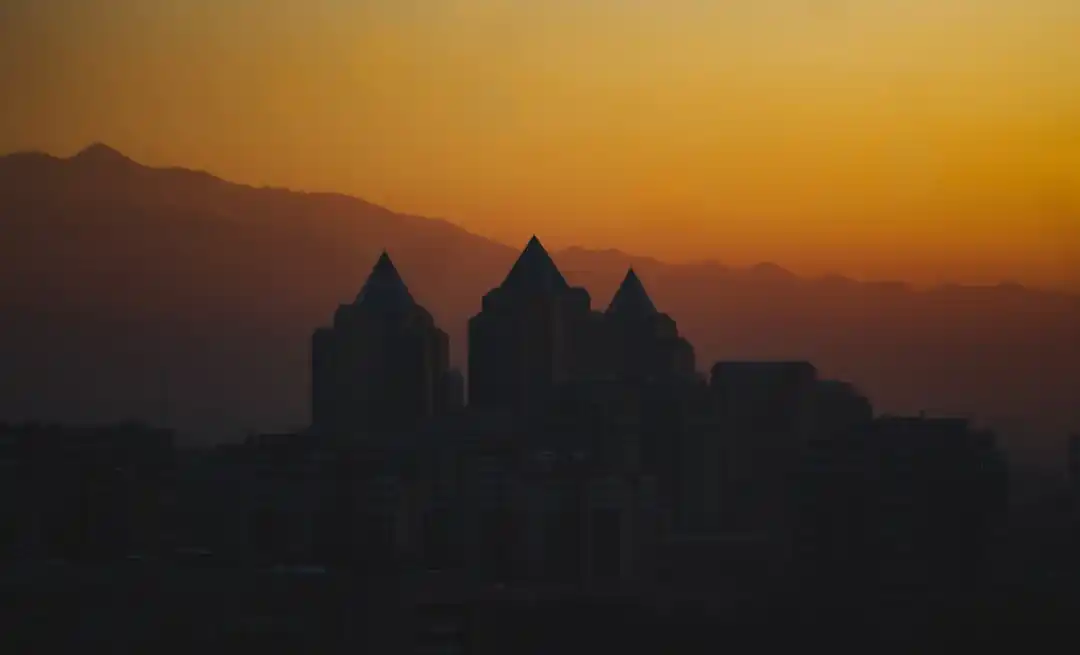
The main hubs are, unsurprisingly, Almaty (ALA) and Astana (NQZ). Both are modern airports that are easy to navigate. While you miss out on the slow, unfolding scenery of the steppe, you gain something incredibly valuable: time. A flight can turn a full-day journey into a 90-minute hop. For a two-week trip where you want to see multiple, distant regions, mixing in a flight or two is probably the most practical approach.
On the Ground: The World of Buses and Shared Taxis
For the budget-conscious and the truly adventurous, there’s a whole other world of ground transport. Intercity buses connect almost every town and city in the country. These can range from large, comfortable coaches on major routes to smaller, more cramped minibuses known as marshrutkas. They are, without a doubt, the cheapest way to get around. You’ll get a front-row seat to local life, with frequent stops in small villages you’d otherwise never see.
The trade-off for the low price is often comfort and speed. Journeys can be long and bumpy, and schedules can sometimes feel more like a suggestion than a rule, especially with marshrutkas that often leave only when they are full. However, for shorter distances between secondary cities—say, from Shymkent to Turkistan—they are a perfectly viable and interesting option.
Another popular choice for these shorter inter-city routes is the shared taxi. You’ll find them congregating near bus stations, with drivers calling out their destinations. You pay for a seat, and once all four seats are sold, you’re off. It’s faster than a bus and offers a bit more comfort. It’s a great way to travel, but be prepared to get friendly with your fellow passengers—personal space is not always a guarantee!
Ultimately, traveling through Kazakhstan is a powerful reminder that the journey itself is a core part of the experience. Whether you’re lulled to sleep by the rhythm of the rails, watching the clouds part to reveal a new city below, or sharing a laugh with a stranger on a long bus ride, you’re doing more than just moving—you’re experiencing the vast, beautiful heart of Central Asia.
Minsk's Enduring Echoes: A Journey Through History's Heartbeat
Thinking of Visiting Kazakhstan? The Visa Rules for Americans Might Surprise You
Related Posts
 TRANSPORT
Beyond the Highway: Finding Canada's Soul on a Western Rail Adventure
Forget road trips. I'm talking about rediscovering the romance of travel on Via Rail's most scenic routes through the heart of the Canadian West. It’s an experience that changes you.
 TRAVEL TIPS
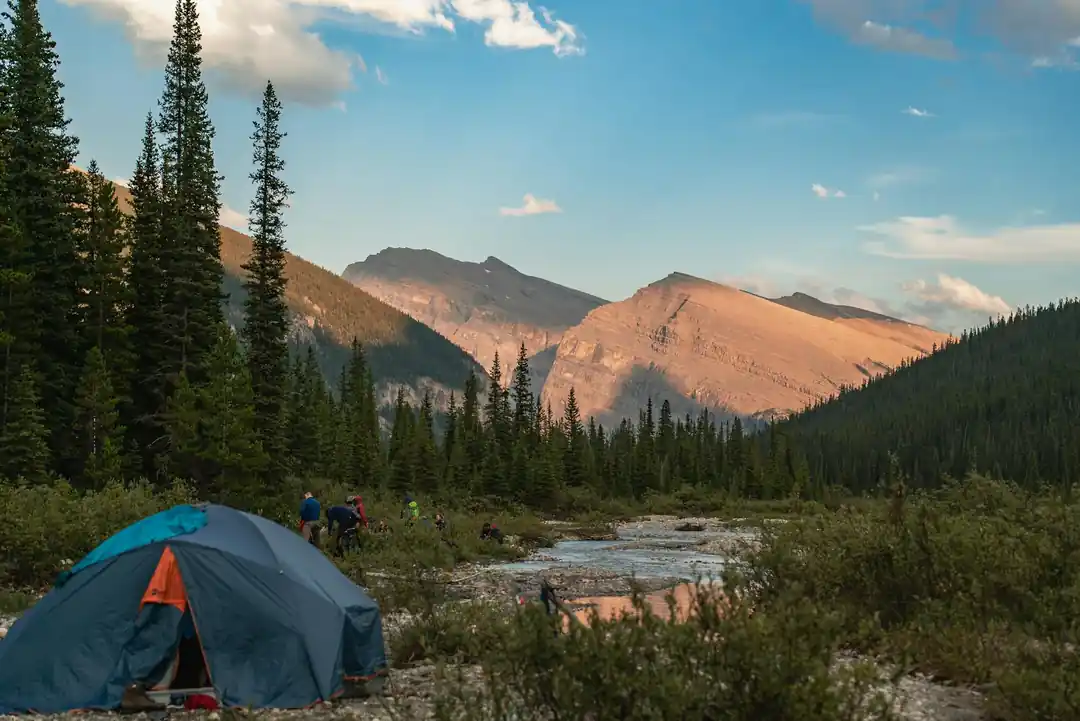
The Unwritten Rules of the North: What to Know Before Camping in Canada
Heading to the Great White North for a camping trip? It's an amazing idea. But from campfire etiquette to wildlife wisdom, here’s what you need to know before you go.

Popular Posts

Rethinking Non-Profit Promotion: Creative Strategies That Actually Drive Event Impact

Beyond Stark White: The Best Interior Paint Colors to Light Up Your New Space

How to Actually Master a New Language on Your Own (No Magic Gene Required)
