Think gardening season is over? Think again. Discover the simple secrets to growing fresh, delicious vegetables right through the coldest months.
There’s a certain melancholy that comes with packing away the garden tools for the year. It feels like saying goodbye to fresh flavors, vibrant colors, and the simple joy of stepping outside to snip some herbs. For years, I followed this ritual, assuming that the first frost marked a definitive end to the growing season. But what if I told you that’s not the full story? Honestly, discovering winter gardening felt like uncovering a secret level in a video game I thought I’d already completed.
The idea of a "winter garden" might conjure images of elaborate, heated greenhouses, but the reality is so much simpler and more accessible, even for a total beginner. It’s about shifting your perspective and choosing plants that don’t just tolerate the cold, but actually embrace it. Some vegetables, as I’ve learned, become even more delicious after a light frost. The satisfaction of harvesting your own crisp spinach or sweet carrots in the middle of January is a unique kind of triumph against the winter blues.
It’s a quiet, peaceful form of gardening. The frantic pace of summer weeding and watering gives way to a more observant, patient approach. You’re not just growing food; you’re creating a small, resilient ecosystem that offers a surprising bounty when you least expect it. So, before you hang up your trowel, let’s talk about how you can keep the harvest going, transforming your garden into a year-round source of fresh, homegrown food.
First Things First: Know Your Zone and Your Frost
Before you buy a single seed packet, the most critical first step is understanding your local climate. The USDA Plant Hardiness Zone Map is the gold standard for this in the US. It divides the country into zones based on average minimum winter temperatures. A quick search for your zip code will tell you which zone you’re in, which is invaluable information for knowing what can survive your winters. But for winter gardening, you need to go a step further and find your average first and last frost dates.
These dates are your real starting line. The goal of most winter gardening isn't to have plants growing vigorously in the dead of winter, but to have them reach maturity or near-maturity by the time the deep cold and short days set in. Think of it as a race against time in the fall. You need to plant your cold-hardy crops early enough so they can get established before the first hard freeze. For many of us, this means starting our winter garden in late summer or early fall, while the sun is still warm.
This concept is often called "four-season harvesting," a term popularized by gardeners like Eliot Coleman. The idea is that plant growth slows dramatically when daylight hours drop below 10 per day. Your job is to get the plants to a harvestable size before that happens. Then, through the coldest months, your garden essentially becomes a living refrigerator, keeping your mature vegetables fresh and ready to pick whenever you need them.
The Cold-Hardy All-Stars: What to Plant
This is where the magic really happens. Not all vegetables can handle the cold, but those that can are true superstars. Many of them belong to the brassica family or are leafy greens and root vegetables, whose flavor is often enhanced by a touch of frost as the plants convert starches into sugars to protect themselves.
Leafy greens are the undisputed champions of the winter garden. Kale is practically indestructible; I’ve seen my own Lacinato kale survive being completely buried in snow, only to emerge perfectly crisp and delicious. Spinach is another winner, especially varieties like 'Winter Bloomsdale' that are bred for cold tolerance. And don't overlook more unique greens like mâche (also called corn salad), which is incredibly cold-hardy and has a wonderful, nutty flavor that’s perfect for winter salads.
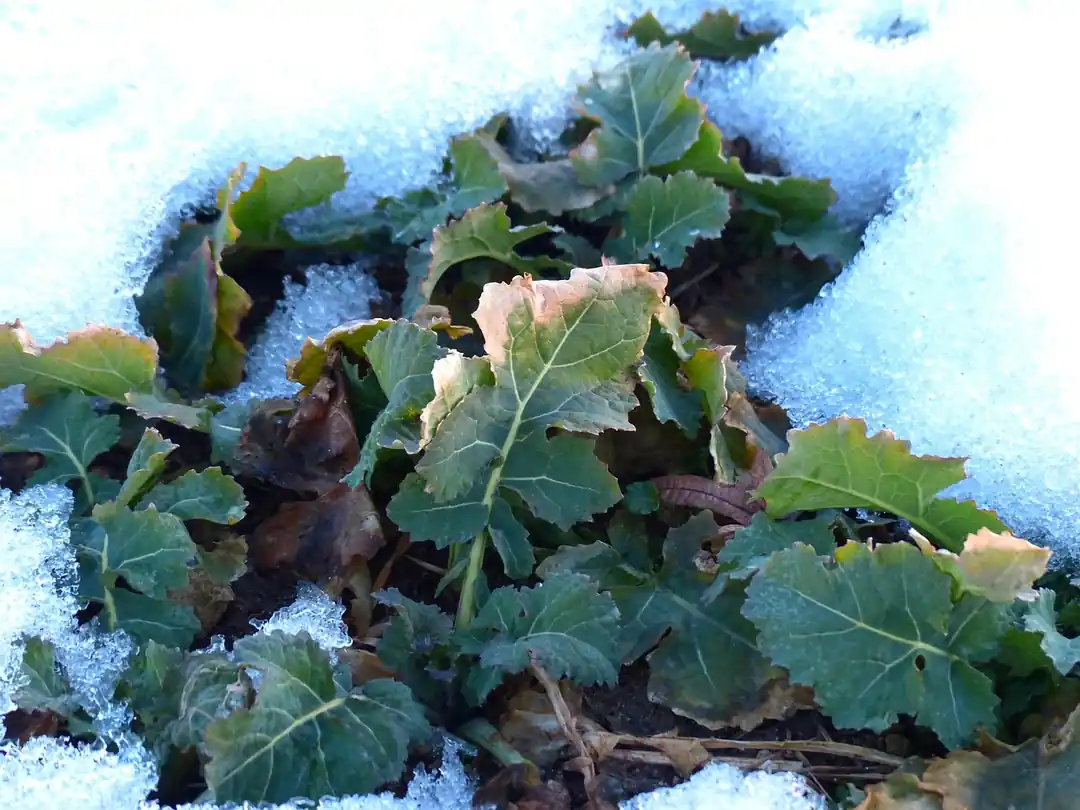
Root vegetables are the other pillar of the winter harvest. Carrots, beets, parsnips, and turnips planted in late summer can be left in the ground and harvested as needed. The soil acts as a natural insulator, and the cold temperatures make them incredibly sweet. Garlic is another must-have. You plant the cloves in the fall, they establish roots before the ground freezes, and then they wait patiently through winter to burst forth in the spring. It’s probably the easiest and most rewarding winter crop you can grow.
Creating a Cozy Microclimate: Simple Protection
While choosing the right plants is half the battle, providing a little protection can make a huge difference, especially in colder zones. This doesn’t mean you need to build a fortress. Often, the simplest methods are the most effective at shielding your plants from harsh winds and extreme temperature swings.
The easiest and most essential tool is mulch. A thick blanket of straw, shredded leaves, or wood chips spread around your plants insulates the soil, preventing it from freezing solid and protecting the roots. It’s like tucking your vegetables into bed for the winter. This simple step can extend your harvest window by weeks, or even months, for root crops.
For a bit more protection, you can create a low tunnel or a cold frame. A cold frame is just a bottomless box with a clear top (an old window works perfectly) that you set over your plants. A low tunnel is even simpler: bend some PVC pipes or heavy-gauge wire into hoops over your garden bed and cover them with a layer of agricultural fabric (often called a row cover). These structures act like mini-greenhouses, trapping solar heat during the day and protecting plants from snow and ice. Just remember to vent them on sunny days—even in winter, it can get surprisingly hot inside, and you don't want to cook your greens.
Starting a winter garden fundamentally changed my relationship with the seasons. It taught me that the garden’s rhythm doesn’t have to stop, but can simply shift into a slower, more deliberate tempo. There is a profound sense of connection and self-reliance that comes from pulling a fresh carrot from the cold earth in December. It’s a small act of defiance against the dormancy of winter, and a delicious one at that. I hope you’ll give it a try.

Beyond the Screen: Cozy Indoor Hobbies to Spark Your Creativity This Winter
Whiteout on the Highway: What to Do When a Snow Squall Hits
Related Posts
 HOBBIES
The Beginner's Guide to Reading the Night Sky: How to Spot Your First Constellations
A friendly, grounded guide to navigating the night sky, understanding stellar movements, and spotting iconic constellations without expensive gear.
 PETS
PETSSniffle-Free Snuggles: America's Most-Loved Hypoallergenic Dogs
Dreaming of a furry friend but dreading the sneezes? You're not alone. Let's dive into the wonderful world of popular hypoallergenic dog breeds in the US.

Popular Posts

Rethinking Non-Profit Promotion: Creative Strategies That Actually Drive Event Impact

Beyond Stark White: The Best Interior Paint Colors to Light Up Your New Space

How to Actually Master a New Language on Your Own (No Magic Gene Required)
