Holding a piece of comic book history is magical. Here’s how to protect your vintage treasures from the ravages of time, ensuring they last for generations to come.
There’s a certain kind of magic that happens when you hold a vintage comic book. It’s a feeling that’s hard to describe—a mix of nostalgia, reverence, and pure, unadulterated joy. The slightly faded cover, the distinct smell of old paper, the knowledge that you’re holding a tangible piece of pop culture history. For many of us in the US, these aren't just collectibles; they're artifacts from our childhoods, or the childhoods of our parents and grandparents. They are small, fragile time capsules.
But here’s the thing about time capsules: they’re meant to be preserved. And paper, especially the pulpy, acidic paper used for comics before the 1980s, is an incredibly fragile medium. I learned this the hard way years ago when I found a small stack of my dad's old comics in the attic. They were brittle, yellowed, and one had a nasty case of what I later learned was water damage. My heart sank. I had failed as a keeper of the flame. That experience sent me down a rabbit hole of research, determined to become a true guardian for these irreplaceable stories.
Preserving vintage comics isn't just about maintaining their monetary value, though that's a nice bonus. It's about respecting the art and the history. It’s about ensuring that the adventures of Superman, Spider-Man, and Wonder Woman can be passed down and enjoyed by future generations. It’s a responsibility, but it’s also a deeply rewarding part of the collecting journey.
The First Line of Defense: Bags, Boards, and Boxes
Before you even think about long-term environmental controls, the most immediate and crucial step is proper physical storage. This is your day-to-day armor against dust, spills, fingerprints, and physical damage like bent corners or spine ticks. The holy trinity of comic preservation is the bag, the board, and the box.
First, let's talk about bags. You have three main choices: Polypropylene, Polyethylene, and Mylar. Polypropylene bags are the most common and affordable. They're clear and offer good basic protection, but they do degrade over time and should be replaced every 5-7 years. Polyethylene bags are a bit softer and more durable but can be cloudy. Then there's Mylar (specifically, archival polyester). This is the undisputed king. Mylar is a chemically inert, super-strong, crystal-clear material used by museums and archives, including the Library of Congress. It doesn't break down, and it provides a superior barrier against moisture and gases. It's more expensive, but for your key issues or most cherished books, it's an investment in permanence.
A bag is only half the equation. You absolutely must use a backing board. A board provides the rigid support that prevents the comic from bending, which is the number one cause of creases and spine stress. But not just any piece of cardboard will do. You need boards that are specifically "acid-free" and "buffered." The buffering agent (usually calcium carbonate) actively neutralizes acids that migrate from the comic's own paper, slowing down that dreaded yellowing process from the inside out. Make sure the board is placed with its glossy side against the comic.
Once your comics are individually bagged and boarded, they need a home. Store them vertically in a dedicated comic book storage box. These are typically made from acid-free cardboard or, for even better protection against water and pests, rigid plastic. Storing them upright prevents spine roll and keeps the weight distributed evenly. Never stack comics horizontally for long periods, as the weight can cause damage to the books at the bottom of the pile.
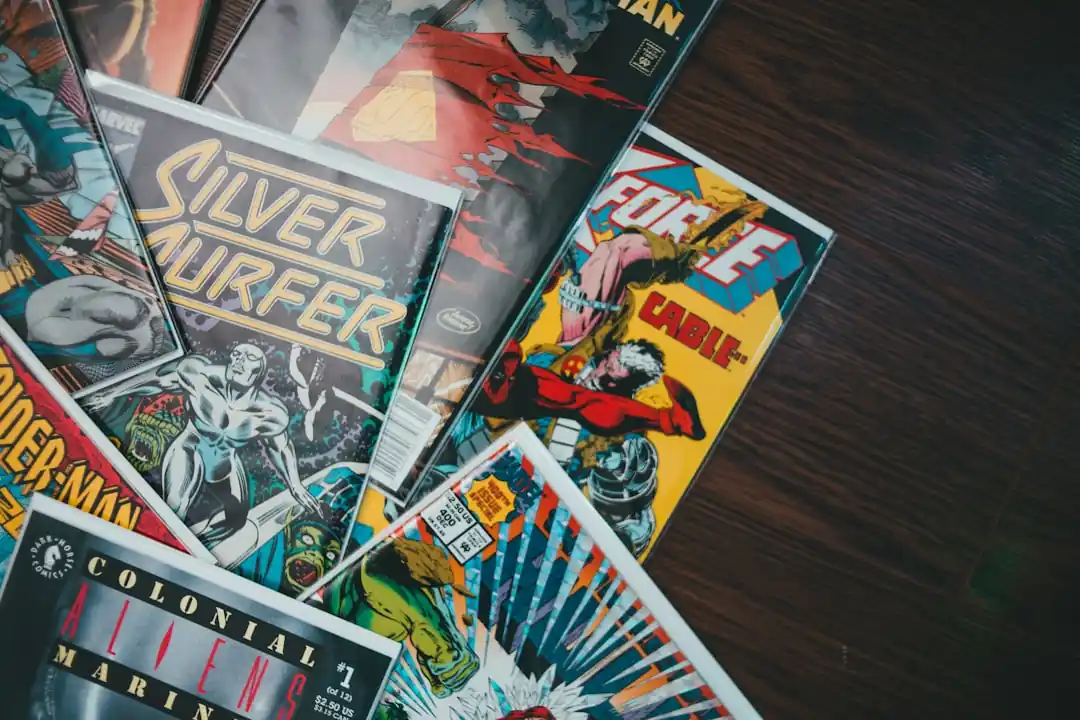
The Invisible Enemies: Light, Heat, and Humidity
With your comics properly armored, it's time to control the battlefield. The biggest long-term threats to your collection are environmental. These are the silent killers that work slowly but are just as destructive as a coffee spill.
Light is public enemy number one. Specifically, the ultraviolet (UV) rays in sunlight and even some fluorescent lighting are brutal on comic book inks. They cause colors to fade dramatically and irreversibly. This is why you should never, ever display a valuable comic in direct sunlight. A dark, cool closet is a far better home than a sunny wall. If you absolutely must display a book, use a frame with UV-protective glass or acrylic and keep it out of direct light.
Heat and humidity are a destructive duo. High temperatures accelerate the chemical reactions that cause paper to become brittle and yellow. High humidity invites the absolute worst-case scenario: mold and mildew. Once mold takes hold, it's incredibly difficult to remove and can permanently stain and destroy your comic. This is why attics and basements are the absolute worst places to store your collection. They experience the most extreme temperature and humidity swings in a home.
The ideal environment for comic book storage is a place that is cool, dark, and dry. Think of a main-floor interior closet or a climate-controlled storage unit. The target numbers are a stable temperature around 65-70°F (about 18-21°C) and a relative humidity between 40-50%. You can buy a cheap digital hygrometer to monitor the conditions in your storage area. If you live in a particularly humid climate, a dehumidifier can be a collection-saving investment.
The Ultimate Protection: To Slab or Not to Slab?
For your most valuable comics, you might consider the ultimate step in preservation: professional grading and encapsulation, often called "slabbing." Companies like Certified Guaranty Company (CGC) and Comic Book Certification Service (CBCS) will grade your comic's condition on a 10-point scale, then seal it in a hard, tamper-evident plastic case.
The primary benefit of slabbing is protection. The rigid case is sonically sealed and provides a very stable micro-environment that protects the comic from handling, physical damage, and environmental fluctuations. It's as close to putting it in a museum case as a private collector can get. It also provides a definitive, third-party grade, which makes buying and selling high-value books much safer and more transparent.
However, slabbing isn't for every book. The process can be expensive, often costing a significant percentage of the book's value. It also means you can no longer open the comic and read it. It transforms the comic from a piece of readable media into a pure collectible artifact. For many, this is a worthwhile trade-off for their most important keys, but for others, the joy is in being able to turn the pages. It’s a personal decision that depends entirely on your goals as a collector.
Ultimately, preserving your vintage comics is a labor of love. It takes a bit of knowledge and effort, but the reward is immeasurable. It’s the peace of mind that comes from knowing you are safeguarding these fragile, wonderful pieces of history. Every time you look at your collection, neatly boxed and protected, you’re not just looking at a bunch of old magazines. You’re looking at a legacy—a legacy of art, storytelling, and imagination that you are helping to carry into the future.

From Handshake to Paycheck: How NFL Rookie Contracts Are Structured
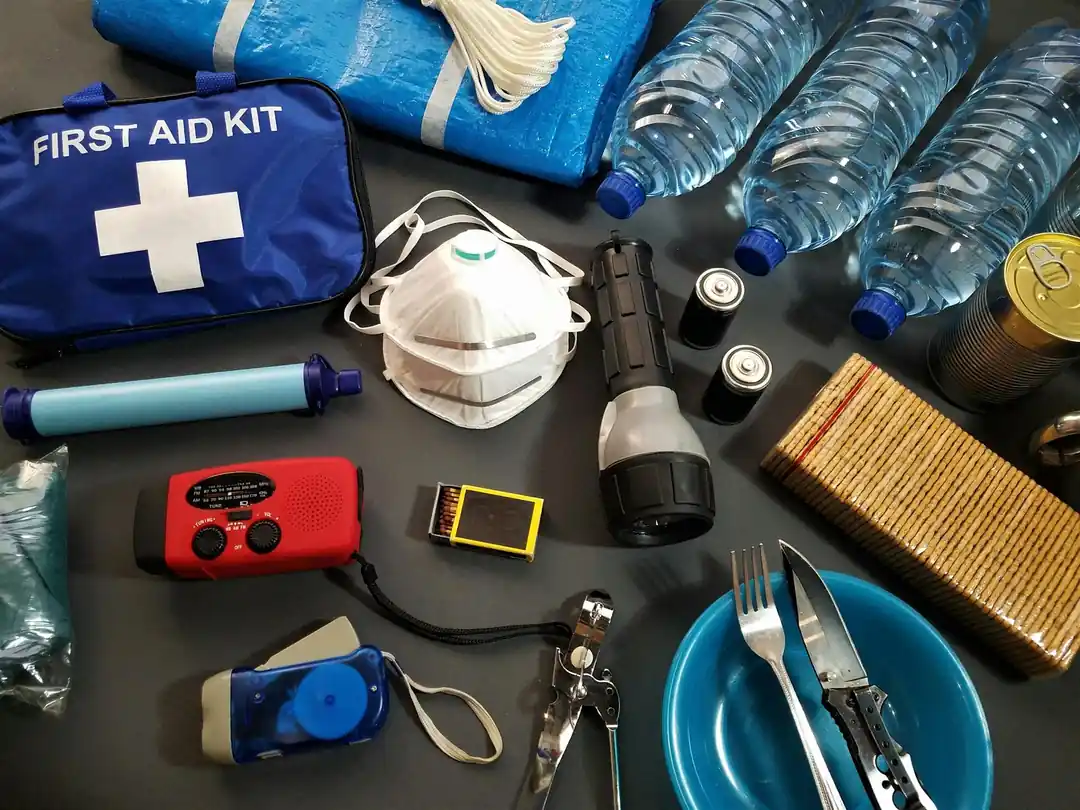
Beyond the Basics: Your Guide to Building a Winter Storm Emergency Kit
Related Posts
 HOBBIES
The Beginner's Guide to Reading the Night Sky: How to Spot Your First Constellations
A friendly, grounded guide to navigating the night sky, understanding stellar movements, and spotting iconic constellations without expensive gear.
 PETS
PETSSniffle-Free Snuggles: America's Most-Loved Hypoallergenic Dogs
Dreaming of a furry friend but dreading the sneezes? You're not alone. Let's dive into the wonderful world of popular hypoallergenic dog breeds in the US.

Popular Posts

Rethinking Non-Profit Promotion: Creative Strategies That Actually Drive Event Impact

Beyond Stark White: The Best Interior Paint Colors to Light Up Your New Space

How to Actually Master a New Language on Your Own (No Magic Gene Required)