Thinking about a trip to Costa Rica but worried about driving? Here’s the real-deal guide on how to explore this beautiful country using shuttles, buses, and local flights.
Let’s be honest for a second. The thought of renting a car in a foreign country can be… a lot. You’re juggling thoughts of unfamiliar road laws, the potential for confusing GPS signals in remote areas, and the not-so-small cost of rentals and insurance. For a long time, I was under the impression that to truly see Costa Rica, with its famous cloud forests and hidden beaches, a 4x4 was not just an option, but a necessity. This single belief almost kept me from booking a ticket.
I’m so glad it didn’t. After spending time navigating the country, I can tell you that not only is it possible to explore Costa Rica without a car, but it’s often a more relaxing and immersive experience. You trade the stress of driving for the simple pleasure of watching the world go by. You connect with the places you’re in on a different level, noticing the small details you’d otherwise miss. It forces you to slow down and embrace the pura vida lifestyle before you even arrive at your next destination.
So, if you’re on the fence, let me walk you through the best ways to navigate this Central American paradise, no driver’s license required.
The Magic of Shared Shuttles
This is, without a doubt, one of the most popular and convenient ways to travel between Costa Rica’s tourist hotspots. Think of shared shuttles as comfortable, air-conditioned vans that offer door-to-door service. They will literally pick you up from your hotel in, say, La Fortuna, and drop you off directly at your next one in Monteverde. It’s a seamless system that removes all the guesswork of navigating bus terminals or haggling with taxis.
Several reputable companies, like Interbus, Caribe Shuttle, and RideCR, have extensive networks covering most of the country. You can book your seats online in advance, which is something I highly recommend, especially during the high season (December to April). The cost is a happy medium between public buses and private transfers, typically ranging from $40 to $60 for a multi-hour trip.
What I love most about this option is the sheer ease of it. On my first trip, I took a shuttle from the San José area to the Caribbean coast. Instead of white-knuckling it on winding mountain roads, I spent the journey gazing out the window at the incredible, ever-changing landscape. The drivers are professional, the vans are modern, and they even make a scheduled stop for bathroom breaks and snacks. It’s the perfect blend of affordability and comfort.
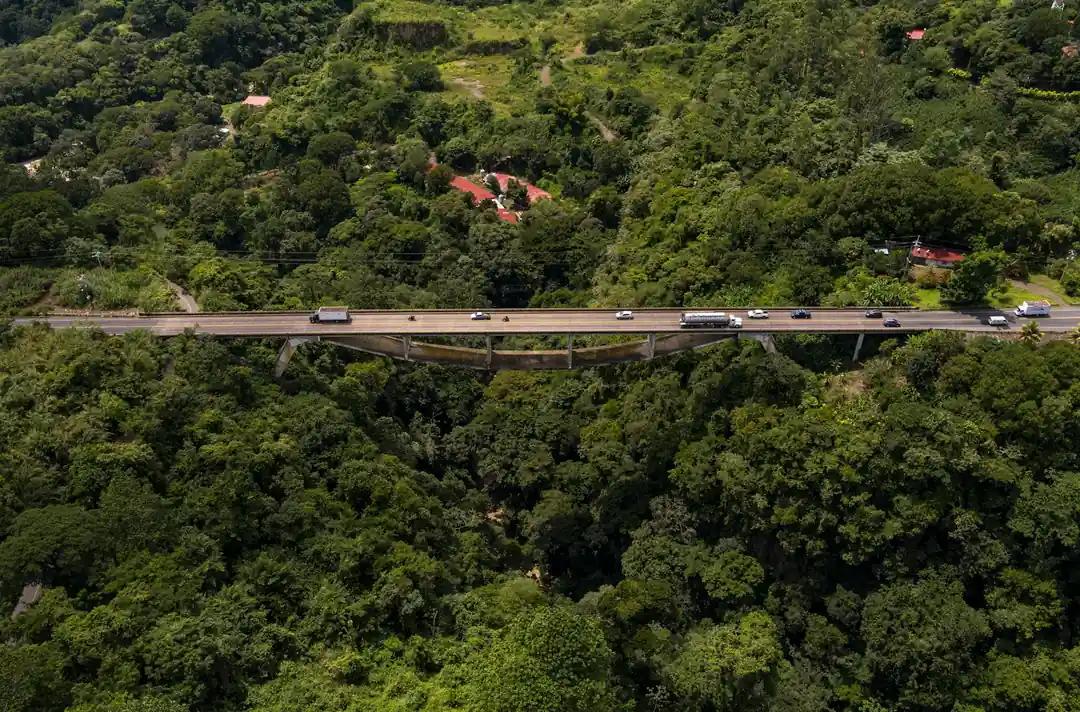
Riding Like a Local on the Public Bus
If you’re on a tighter budget or crave a more authentic, boots-on-the-ground experience, the public bus system is your ticket to adventure. This is how most Costa Ricans travel, and it’s an incredibly extensive and affordable network. We’re talking fares that are often just a few dollars for a journey that could take several hours. It’s a fantastic way to save money that you can then spend on more tours, nicer meals, or a longer stay.
There are a few things to keep in mind. The system can be a bit more complex to navigate than the shuttle services. Routes aren’t always direct, and you may need to transfer at a central hub (like San José) to get from one part of the country to another. Schedules can also be a little less rigid, so a bit of flexibility and patience is key. Most of the long-haul buses are surprisingly comfortable (they're often retired Greyhound buses), though you shouldn't always expect air conditioning.
Using the public bus is an experience in itself. It’s a vibrant, bustling snapshot of daily life. You’ll share the ride with locals, hear Spanish all around you, and maybe even have a vendor hop on to sell snacks. It feels less like being a tourist and more like being a traveler. If you have the time and an adventurous spirit, I can’t recommend it enough.
When Time is Everything: Domestic Flights
Costa Rica might look small on a map, but its mountainous terrain can make ground travel slow. A drive that looks like it should take three hours could easily take five or six. If your vacation time is limited, or if you’re trying to get to a particularly remote area like the Osa Peninsula or Tortuguero, a domestic flight can be a lifesaver.
Airlines like Sansa and Green Airways operate small "puddle jumper" planes out of hubs in San José and Liberia. These flights can turn an all-day journey into a quick 45-minute hop. The cost is, of course, higher than a bus or shuttle, but it’s often worth it for the time you save. Plus, the views from the plane are absolutely breathtaking. Flying low over the dense jungle canopy or along the dramatic coastline is an unforgettable experience in its own right.
Think about it: you could be enjoying breakfast in the mountains of Arenal and be walking on a remote Pacific beach by lunchtime. For travelers trying to maximize a one-week itinerary, these small flights are an invaluable tool. Just be sure to book well in advance, as the planes are small and seats fill up quickly, and pay close attention to the luggage weight limits, which are much stricter than on international flights.
Ultimately, traveling without a car in Costa Rica doesn’t limit you; it liberates you. It encourages you to connect with the country and its people in a more meaningful way. Whether you’re watching the scenery from a comfortable shuttle, listening to music on a local bus, or soaring over the rainforest in a tiny plane, the journey itself becomes a cherished part of the adventure.

The Adventurer's Guide to Renting a 4x4 in Costa Rica
Your Two-Week Costa Rica Budget: A Realistic Guide to 'Pura Vida'

Related Posts
 TRANSPORT
Beyond the Highway: Finding Canada's Soul on a Western Rail Adventure
Forget road trips. I'm talking about rediscovering the romance of travel on Via Rail's most scenic routes through the heart of the Canadian West. It’s an experience that changes you.
 TRAVEL TIPS
The Unwritten Rules of the North: What to Know Before Camping in Canada
Heading to the Great White North for a camping trip? It's an amazing idea. But from campfire etiquette to wildlife wisdom, here’s what you need to know before you go.

Popular Posts

Rethinking Non-Profit Promotion: Creative Strategies That Actually Drive Event Impact

Beyond Stark White: The Best Interior Paint Colors to Light Up Your New Space

How to Actually Master a New Language on Your Own (No Magic Gene Required)
