How to Talk to Your Kids About Climate Change (Without Scaring Them)
It feels like a heavy topic, but talking to our children about climate change is one of the most important things we can do. Here’s how to approach it with honesty, simplicity, and a whole lot of hope.
Let’s be honest, navigating conversations with our kids can sometimes feel like walking a tightrope. We want to be truthful and prepare them for the world, but we also want to protect their bright-eyed optimism. And when it comes to a topic as massive and serious as climate change, that balancing act can feel especially tricky. I’ve found myself pausing before, wondering, how do I even start this conversation without making the world sound like a scary, doomed place?
The thing is, our kids are incredibly perceptive. They hear snippets on the news, they see changes in the weather, and they feel the urgency in our own voices. Avoiding the topic isn't really an option. Instead, our challenge—and our opportunity—is to frame it in a way that’s not just understandable, but also empowering. It’s about shifting the narrative from fear to one of hope, resilience, and action.
After a lot of reading and some real-world trial-and-error with my own curious little ones, I’ve realized that the goal isn't to download a mountain of scientific data into their brains. It's to plant a seed of awareness and nurture their innate love for the planet. It’s about showing them that, yes, there’s a problem, but we are all part of the solution.
Start with the Basics: The Earth's Cozy Blanket
Before you can talk about a changing climate, it helps to have a shared language. The simplest starting point I've found is the "cozy blanket" analogy. It’s a concept that clicks almost instantly for most kids because it’s rooted in a feeling they understand completely: being warm and comfortable.
You can explain it something like this: Our planet, Earth, is wrapped in a special, invisible blanket made of gases. This blanket is amazing! It traps just the right amount of warmth from the sun to keep our planet from being a giant, frozen ice ball. It keeps everything cozy and at the perfect temperature for plants to grow, animals to thrive, and for us to live our lives.
Now, here comes the "change" part. For a long, long time, humans have been building, driving, and creating in ways that release extra gases into the air. Think of these as adding more and more blankets around the Earth. At first, an extra blanket might feel nice and snug. But what happens when you keep piling them on? You get way too hot. That’s what’s happening to our planet. This extra-thick blanket is trapping too much heat, and it’s making the whole world feel a little bit sick with a fever.
Connect the Dots to Their World
Abstract concepts like "rising global temperatures" don't mean much to a child. The key is to connect the idea of that "extra-thick blanket" to things they can see, feel, and experience in their own lives. This makes the problem tangible and helps them build empathy.
Talk about the weather. You could say, "Have you noticed how our summers seem to be getting super-duper hot lately? That's part of the Earth's fever." Or if you live in an area with more intense storms, you can connect it to that. "Remember that really big rainstorm we had? The Earth's fever can sometimes make storms stronger."
Animals are another powerful entry point. Most children have a favorite animal, and their hearts naturally go out to them. You can gently explain how a warmer planet affects them. "For polar bears, their home is made of ice, and when the planet gets warmer, their home starts to melt." Or, "Some fish live in cool water, and when the oceans get too warm, it's hard for them to find a comfortable place to live." It’s not about showing them scary images, but about fostering a sense of connection and responsibility for the other creatures who share our home.
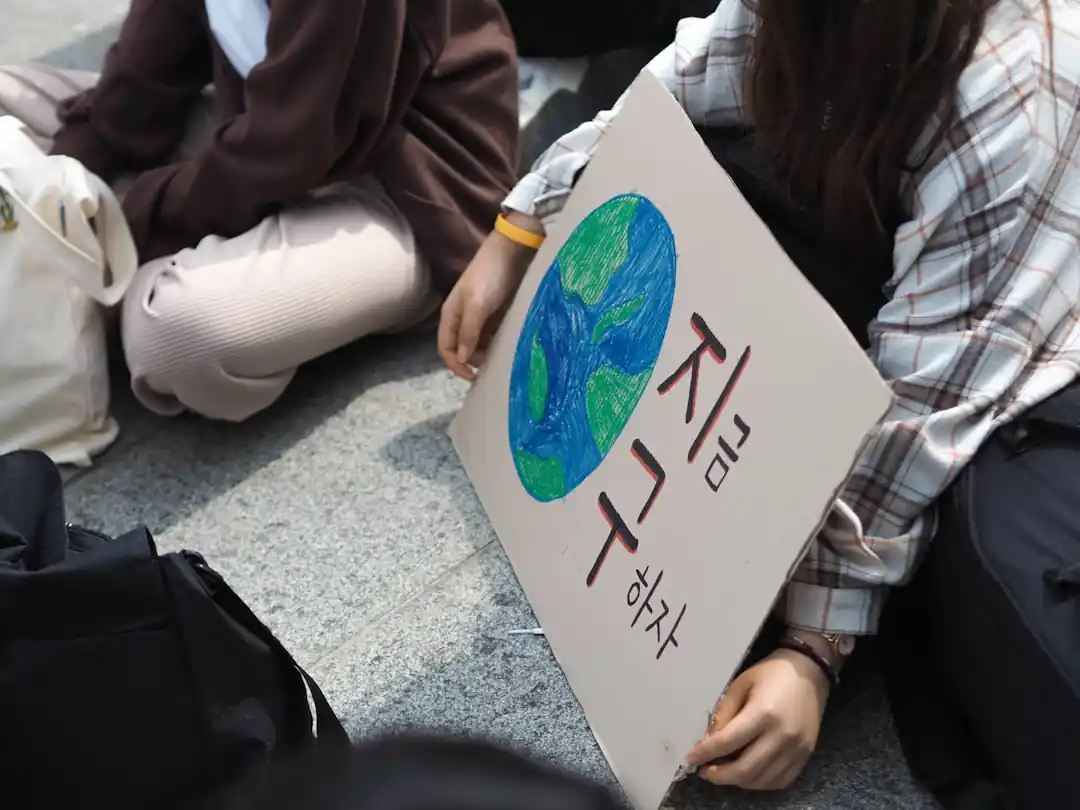
From Worry to Action: Empowering Your Little Helper
This is, without a doubt, the most important step. Once a child understands there's a problem, their immediate instinct is often, "What can I do?" If we don't give them an answer, that feeling can curdle into anxiety or helplessness. But if we do, we empower them to be part of the solution, which is a powerful antidote to fear.
Frame it as being part of "Team Earth." Create a list of simple, concrete actions your family can take together. This isn't about putting the weight of the world on their shoulders; it's about showing them that small, everyday choices add up to a big difference.
What does this look like? It can be as simple as making a "turn it off" rule for lights and electronics when you leave a room. Or having a special bin for recycling and making them the "Recycling Captain." Maybe it's choosing to walk or bike for short trips instead of driving. You can plant a small garden or even just a few herbs on the windowsill, explaining how plants help "clean" the air. Each action is a chance to reinforce the lesson and give them a sense of agency.
The goal is to cultivate a mindset of conservation and care. When they turn off a light, they aren't just saving electricity; they're "helping the Earth's blanket be just right." When they recycle a bottle, they're "making sure we don't have to make so much new stuff." This reframing is everything. It transforms a chore into a mission.
Keep the Conversation Going (and Keep it Hopeful)
This isn't a one-and-done lecture. It's an ongoing dialogue that will evolve as your child grows. Be open to their questions, even if you don't have all the answers. It's perfectly okay to say, "That's a really smart question. I'm not sure, but let's look it up together." This models curiosity and shows them that learning is a lifelong journey.
Most importantly, always circle back to hope. Talk about the incredible scientists, inventors, and leaders all over the world who are working on amazing solutions, from giant solar farms to cars that run on electricity. Share good news about conservation successes and community projects.
By approaching this conversation with honesty, simplicity, and a relentless focus on empowerment, we do more than just teach our kids about climate change. We teach them that when faced with a great challenge, we don't shrink from it. We meet it with courage, creativity, and the beautiful, unwavering hope that we can, and will, create a better future together.
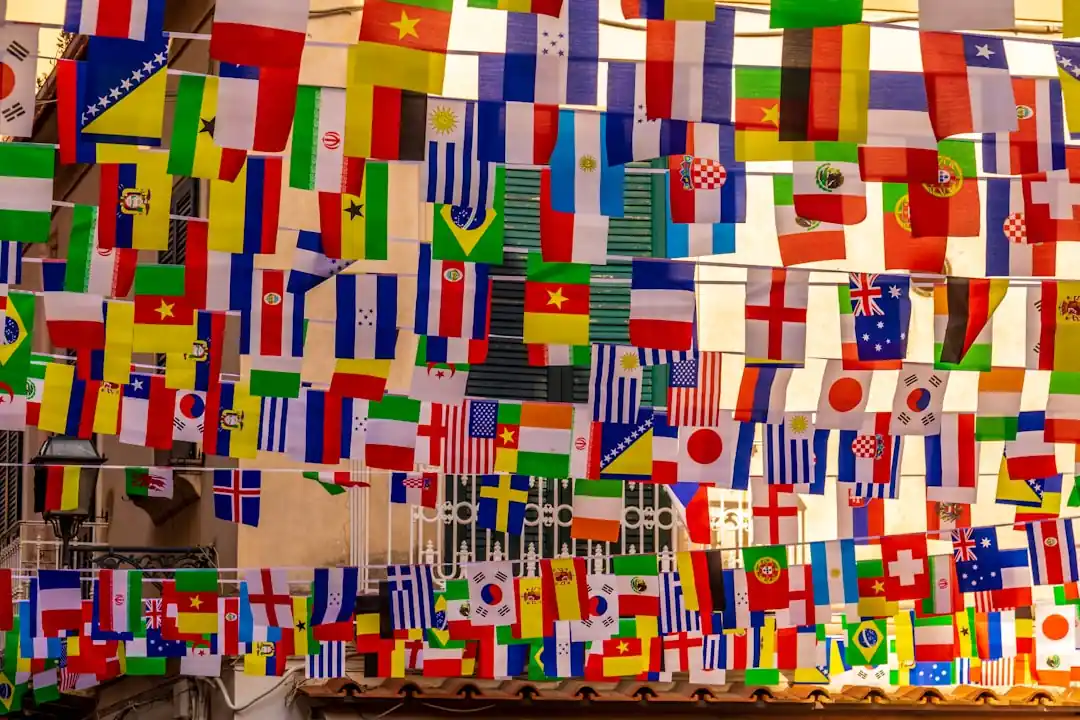
Climate Change Isn't a Monologue: Speaking the Language of a Global Crisis
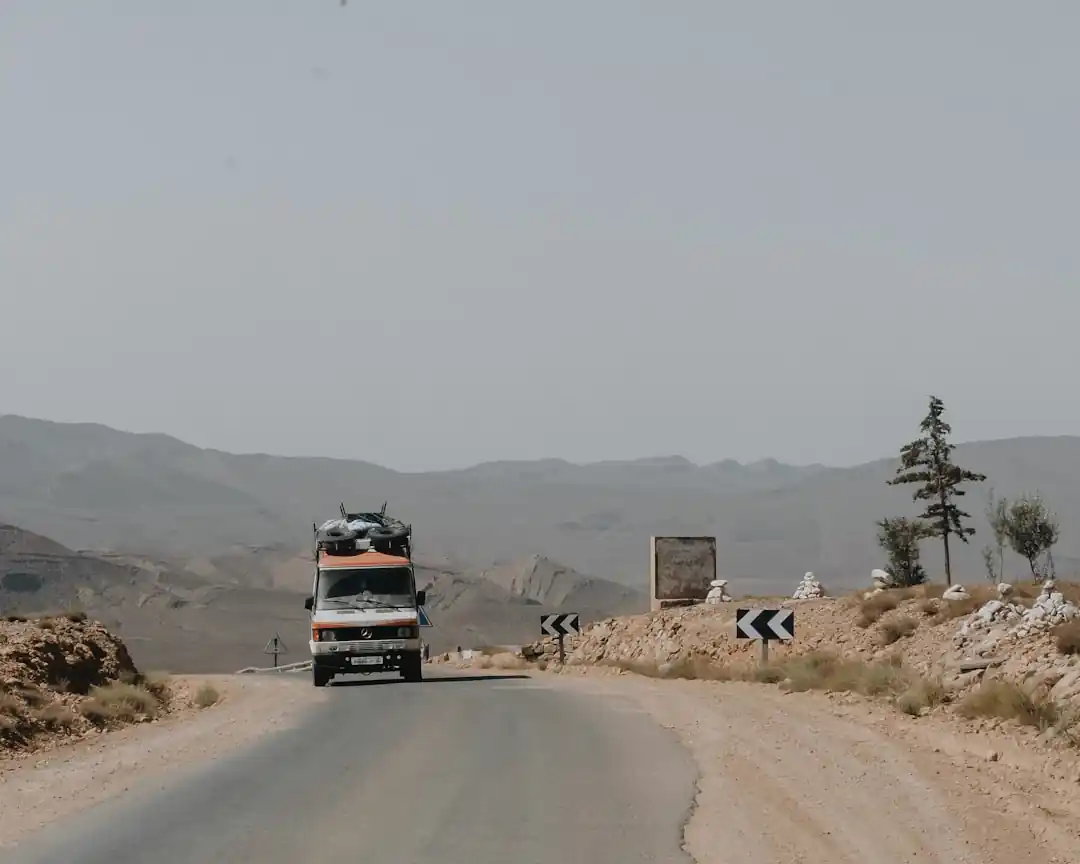
The Unseen Journey: How Aid Convoys Navigate a World in Need
Related Posts
 LANGUAGES
How to Actually Master a New Language on Your Own (No Magic Gene Required)
Discover research-backed self-study strategies to break through fluency plateaus, build real confidence, and learn a new language on your own terms.
 STUDY TIPS
Your Unshakeable Foundation: Understanding the Most Important Legal Rights for US Citizens
Ever wonder what truly protects you as a American citizen? Let's dive into the fundamental legal rights that form the bedrock of our society, making sure you know your power.

Popular Posts

Rethinking Non-Profit Promotion: Creative Strategies That Actually Drive Event Impact

Beyond Stark White: The Best Interior Paint Colors to Light Up Your New Space
How to Actually Master a New Language on Your Own (No Magic Gene Required)
