Your Two-Week Costa Rica Budget: A Realistic Guide to 'Pura Vida'
Dreaming of rainforests and waterfalls? Here’s exactly how to budget for a two-week trip to Costa Rica, from a backpacker's shoestring to a comfortable mid-range adventure.
There’s a certain magic to Costa Rica. It’s a country that whispers “Pura Vida”—the pure life—in the rustle of its rainforest leaves and the rhythm of its ocean waves. For years, it sat at the top of my travel bucket list, a vibrant green escape I promised myself I’d one day explore. But as with any dream trip, the practical side eventually kicks in, bringing with it the all-important question: what is this actually going to cost?
I’ll be honest, my initial assumption was that any trip to Central America would be incredibly cheap. While you can certainly travel Costa Rica on a tight budget, I quickly learned that its commitment to conservation and well-developed eco-tourism infrastructure places it in a slightly different category than its neighbors. It’s not the most expensive destination, but it’s not the cheapest, either. The beauty of it, though, is its incredible flexibility. Whether you’re planning to live off casados in hostels or sip cocktails in a luxury eco-lodge, you can craft an unforgettable two-week itinerary.
So, let’s pull back the curtain on the real costs of a fortnight in the land of sloths and surf, breaking it down so you can plan with confidence and focus on the adventure ahead.
The Big Ticket Items: Flights and Accommodation
Let's get the two biggest expenses out of the way first. Your flight from the U.S. and where you choose to sleep will form the foundation of your trip budget. Flights can fluctuate wildly, but a good rule of thumb is to budget between $400 and $700 for a round-trip ticket. I’ve seen friends snag incredible deals for as low as $250 by being flexible with their dates and flying during the "green season" (roughly May to November), which, for what it's worth, is a beautiful time to visit. To save some cash, set up price alerts on a few different search engines and consider flying into San José (SJO) versus Liberia (LIR), as the capital often has more competitive routes.
When it comes to accommodation, Costa Rica truly has something for everyone. For the hardcore budget traveler, a dorm bed in a hostel will run you about $15-$25 a night. It’s a fantastic way to meet other travelers and save money for activities. If you’re like me and prefer a bit more privacy, mid-range options are plentiful. Think private rooms in smaller hotels, charming guesthouses, or an Airbnb, which typically range from $60-$150 per night. This is the sweet spot for many, offering comfort without eating up the entire budget.
Of course, if you're looking to splurge, the sky's the limit. Costa Rica is famous for its stunning eco-lodges and luxury resorts, where you can expect to pay anywhere from $200 to $500+ per night for a truly immersive jungle or beachfront experience. For a two-week trip, a mid-range accommodation budget would land somewhere between $840 and $2,100, a figure you can easily adjust up or down based on your comfort level.
Daily Bread: Budgeting for Food and Drink
Here’s where you can really control your spending. Eating in Costa Rica can be incredibly affordable and delicious if you know where to look. The number one rule? Eat at the local sodas. These are small, family-run restaurants that serve up traditional Costa Rican fare, and they are absolute goldmines of flavor and value. A massive, satisfying plate of casado—which usually includes rice, beans, a salad, plantains, and your choice of meat or fish—will often only set you back about $5-$8.
If you stick to eating at sodas for most of your meals, you could easily get by on a food budget of $25-$30 per day. If you plan on mixing in more tourist-oriented restaurants, where a main course might cost $15-$25, you should probably budget closer to $50-$60 per day. A great way to save is to hit up a local supermarket for breakfast items, snacks, and the occasional bottle of Imperial or Pilsen (the local beers), which are much cheaper than buying them at a bar.
Don't be afraid to try the street food, either. A fresh fruit smoothie (batido) or a savory empanada can be a perfect and cheap afternoon pick-me-up. Honestly, some of the best food I’ve had while traveling has come from unassuming local spots, and Costa Rica is no exception. It’s a delicious way to experience the culture.
The Fun Stuff: Activities and Getting Around
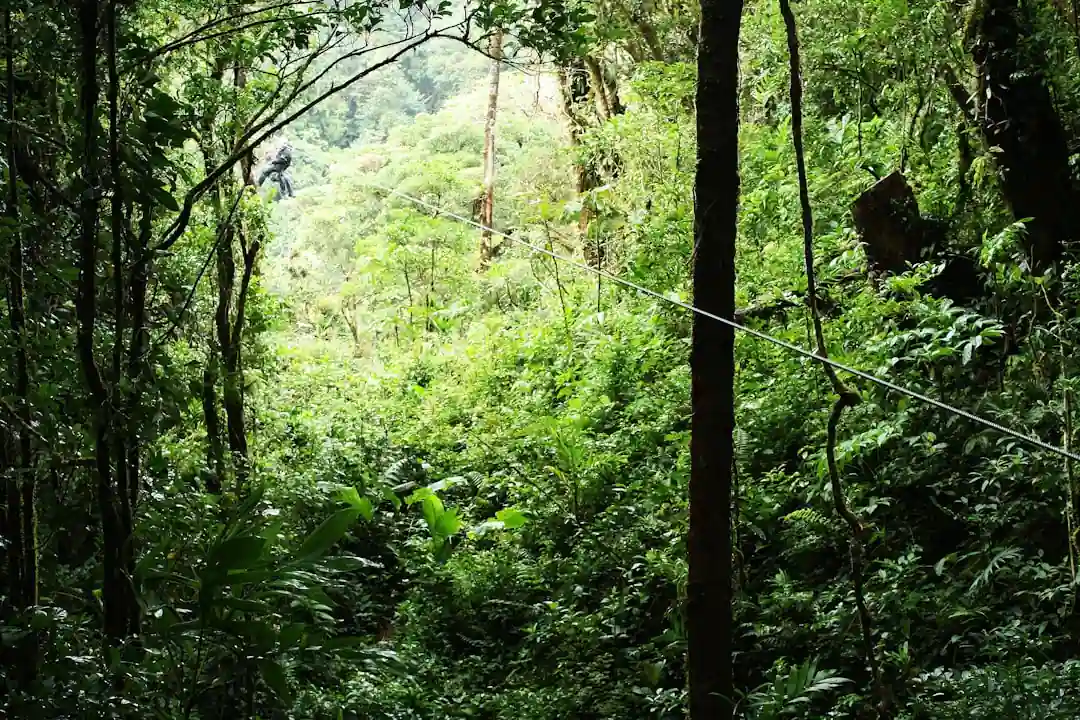
This is the part you’ve been dreaming about: zip-lining through the cloud forest, hiking to a volcanic crater, and spotting wildlife. The cost of activities can add up quickly, so it’s wise to prioritize what you want to do most. Entrance fees for most national parks are very reasonable, typically around $15-$20 per person. These are a must-do and offer incredible value.
More adventurous tours will be your next biggest expense category. A guided night walk to see nocturnal animals might cost around $25. A half-day zip-lining tour can range from $50 to $85. Surf lessons are usually about $50-$60 for a group session. If you plan on doing one or two of these "big ticket" activities in each location, it's a good idea to budget around $300-$500 per person for tours over the two weeks. Of course, you can also enjoy plenty of free activities, like lounging on the country's stunning beaches or exploring towns on foot.
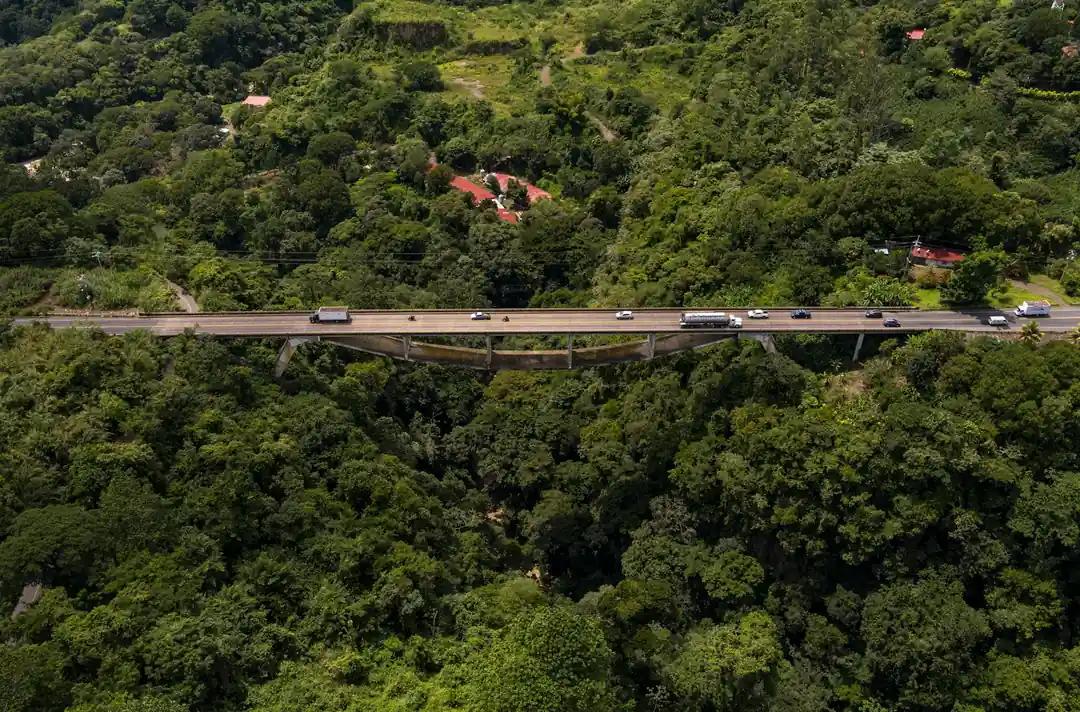
Getting around is the final piece of the puzzle. Renting a 4x4 is the most popular option for flexibility, but it's also the most expensive, often costing $70-$100 per day with mandatory insurance. A more budget-friendly and surprisingly efficient alternative is the shared shuttle system, which connects all major tourist destinations. A shuttle ride between two towns will typically cost $40-$60 per person. For the ultimate budget experience, the public bus system is extensive and incredibly cheap, though it requires a bit more patience and planning.
The Final Tally
So, what’s the grand total? Here’s a rough estimate for a two-week trip, per person, not including international flights:
- Backpacker Budget: Sticking to hostels, sodas, public transport, and mostly free activities, you could manage on $700 - $900 ($50-$65/day).
- Mid-Range Budget: A mix of private rooms, sodas and some nicer restaurants, shared shuttles, and several guided tours would land you in the $1,500 - $2,200 ($100-$160/day) range.
- Luxury Budget: For high-end lodges, private transport, fine dining, and daily tours, you could expect to spend $3,500+ ($250+/day).
Ultimately, your Costa Rican adventure is what you make it. It’s a country that rewards both the frugal backpacker and the luxury seeker with its incredible natural beauty and warm, welcoming spirit. No matter how you choose to do it, the investment is always worth it. The memories you make will last far longer than the money you spend.
Forget the Rental: How to Actually Get Around Costa Rica Without a Car
The Honest Truth About Drinking Tap Water in Costa Rica
Related Posts
 TRANSPORT
Beyond the Highway: Finding Canada's Soul on a Western Rail Adventure
Forget road trips. I'm talking about rediscovering the romance of travel on Via Rail's most scenic routes through the heart of the Canadian West. It’s an experience that changes you.
 TRAVEL TIPS
The Unwritten Rules of the North: What to Know Before Camping in Canada
Heading to the Great White North for a camping trip? It's an amazing idea. But from campfire etiquette to wildlife wisdom, here’s what you need to know before you go.

Popular Posts

Rethinking Non-Profit Promotion: Creative Strategies That Actually Drive Event Impact

Beyond Stark White: The Best Interior Paint Colors to Light Up Your New Space

How to Actually Master a New Language on Your Own (No Magic Gene Required)
