It's the question every parent asks: 'Are my kids moving enough?' We're diving into the official CDC guidelines to uncover the truth about daily activity and how to make it a joyful part of family life.
As a parent, my internal monologue is a constant stream of questions. Did they eat enough vegetables? Is this too much screen time? Are they happy? And, of course, the big one: are they getting enough physical activity? In a world of tablets and endless streaming services, it’s a concern that quietly bubbles under the surface for so many of us. It’s not just about "tiring them out" before bedtime; it's about their long-term health, development, and happiness.
I used to rely on a vague sense of whether the day felt "active enough." A trip to the park? Check. A particularly energetic game of tag in the backyard? Double-check. But I craved something more concrete. I wanted to understand what the experts say, to move from guesswork to a place of informed confidence. So, I went straight to the source: the Centers for Disease Control and Prevention (CDC). What I found was both enlightening and, honestly, a bit of a relief. It’s not as complicated as I thought, and it’s far more flexible.
The guidelines are about more than just a number; they're a recipe for building strong bones, healthy hearts, and resilient minds. They provide a clear roadmap that empowers us to make movement a natural, joyful part of our family's rhythm instead of just another box to check on our endless to-do list.
The Magic Number: 60 Minutes a Day
For school-aged children and adolescents (that’s ages 6 through 17), the key recommendation from the CDC is simple: at least 60 minutes of moderate-to-vigorous physical activity every day. My first reaction to that was, "An hour? Every single day?" It sounds like a lot, especially when you're juggling school schedules, homework, and after-school clubs. But here’s the crucial part that changed my perspective: it doesn’t have to be a single, hour-long session.
Think of it as a "movement bank." You can make deposits throughout the day. A brisk 20-minute walk to and from school, 30 minutes of playground time during recess, and a 10-minute dance party while waiting for dinner to cook—it all adds up. This approach feels so much more manageable and realistic for modern family life. It shifts the focus from structured, formal exercise to simply weaving more movement into the fabric of their day.
The goal is to get their hearts pumping and their bodies moving. Moderate-intensity activity is anything that raises their heart rate and makes them breathe a bit harder, like a fast walk or a bike ride on flat ground. Vigorous-intensity activity is when they're breathing hard and fast, and can only speak in short phrases—think running, playing soccer, or a game of chase. The guidelines suggest including this kind of vigorous activity at least three days a week.
More Than Just Running: The Three Types of Activity
Here’s where the CDC guidelines get really interesting. That "golden hour" of activity isn't just about cardio. To support a child's overall development, the recommendation is to incorporate three specific types of exercise into their weekly routine. The good news is that many activities tick multiple boxes at once.
First is aerobic activity, which should make up the bulk of their 60 minutes each day. This is the heart-pumping stuff we just talked about—running, swimming, dancing, and biking. It’s essential for cardiovascular health.
Second is muscle-strengthening activity, which should be part of their routine at least three days a week. This doesn't mean your eight-year-old needs to start lifting weights. For kids, this kind of activity is often just play. Climbing on playground equipment, playing tug-of-war, doing gymnastics, or even just doing push-ups or sit-ups at home all count.
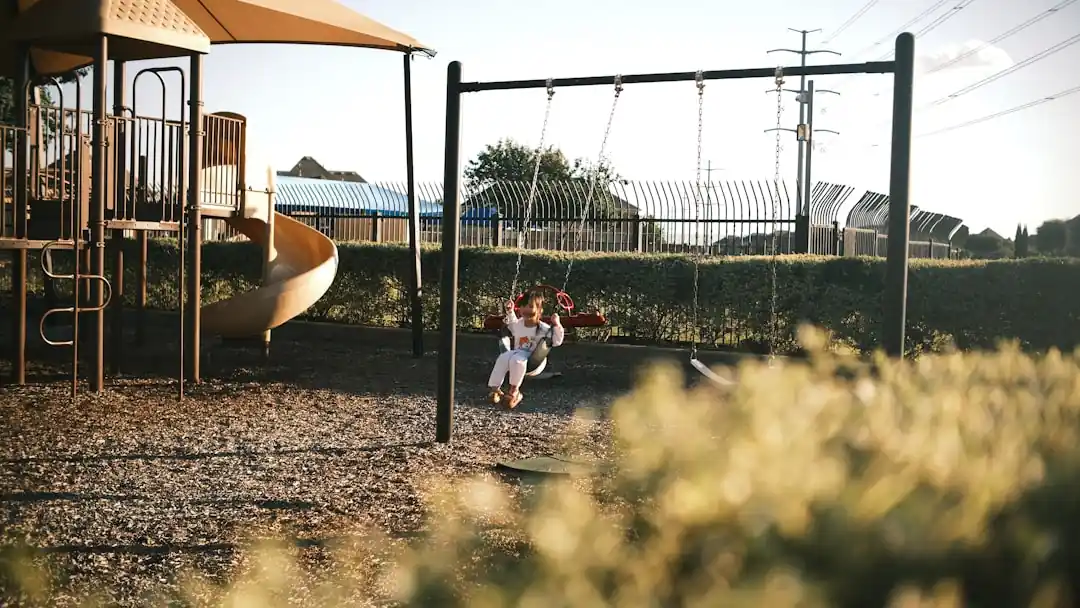
Finally, there's bone-strengthening activity, also recommended for at least three days a week. These activities produce a force on the bones that promotes growth and strength. Think of high-impact movements like jumping, running, and sports that involve a lot of both, like basketball or tennis. Jumping rope is a fantastic and simple option here. A game of hopscotch is, too!
Looking at it this way, it becomes clear that a well-rounded, active week is less about a rigid exercise plan and more about providing a variety of opportunities to play. A trip to the park where they run, climb, and jump can cover all three categories in one fun-filled afternoon.
It Starts With Us
Ultimately, the guidelines are just that—a guide. They provide the "what," but it's up to us as parents to figure out the "how." And perhaps the most powerful tool we have is our own example. When our kids see us enjoying physical activity, when it's presented as a fun thing we do together rather than a chore that must be done, their entire perspective can change.
Family walks after dinner, weekend bike rides, or even just putting on some music and dancing around the living room can transform exercise from a duty into a joy. It’s about creating a culture of movement within our homes. It’s about showing them that an active life is a happy and fulfilling one.
So, let's not get too hung up on the numbers. Let's focus on the joy of movement, the connection it brings, and the incredible gift of health we are giving our children. Let's find what makes them light up—whether it's kicking a soccer ball, climbing a tree, or mastering a new dance move—and lean into that. Because a childhood filled with active, joyful movement is a foundation for a lifetime of well-being.

Little Worries, Big Feelings: How to Recognize Anxiety in Young Children
Fueling the Future: The Essential Nutrients Your Child Needs to Thrive
Related Posts
 NUTRITION
The Simple Pre-Workout Fueling Strategy That Saved My Long Runs
Discover how timing your carbohydrates and embracing simple foods can eliminate mid-workout fatigue and unlock your true endurance potential.
 FITNESS
No Gym, No Problem: The Ultimate Guide to Bodyweight Fitness at Home
Forget expensive memberships. Discover how to build serious strength and transform your body using the most powerful tool you already own: yourself.

Popular Posts

Rethinking Non-Profit Promotion: Creative Strategies That Actually Drive Event Impact

Beyond Stark White: The Best Interior Paint Colors to Light Up Your New Space

How to Actually Master a New Language on Your Own (No Magic Gene Required)