That little flutter of anxiety before you step up to the passport control counter? We've all been there. Let's demystify the process of crossing international borders so you can focus on the adventure.
There’s a unique kind of magic in international travel. It’s the thrill of the unknown, the promise of new sights, sounds, and experiences. But between you and that adventure lies a process that can feel, let's be honest, a little intimidating: crossing the border. We’ve all felt that slight knot in our stomach as we approach the immigration desk, even when we have absolutely nothing to hide. It’s a formal, serious process, and the stakes feel high.
I used to think of border crossings as a necessary evil, a bureaucratic hurdle to be cleared. But over years of travel, my perspective has shifted. I’ve come to see it as a predictable, manageable part of the journey. The officials aren't there to trip you up; they're professionals tasked with the critical job of maintaining their country's security and order. Understanding their role and knowing what to expect can transform the experience from one of anxiety into one of quiet confidence.
This guide is born from that experience. It’s the conversation I wish I could have had with my younger, more nervous self. We'll walk through the essentials, from the documents you can't leave home without to the questions you're likely to be asked. The goal is to strip away the mystery, so you can focus less on the "what ifs" at the border and more on the "what's next" in your destination.
The Foundation: Passports, Visas, and Paperwork
Before you even think about packing, your first priority must be your documents. This is the bedrock of your entire trip. The undisputed star of the show for any U.S. citizen is, of course, a valid passport book. It’s your official identity on the world stage. But here’s a critical detail that trips up countless travelers: the six-month validity rule. Many countries will deny you entry if your passport expires within six months of your planned departure date from their country. I once saw a family get turned away at the check-in counter for this very reason, and the heartbreak was palpable. Check your expiration date the moment you start planning.
Next up is the visa. While a U.S. passport grants you visa-free access to a remarkable number of countries for short-term tourism, it’s not a universal key. Some nations require you to apply for a visa well in advance, a process that can take weeks or even months. The U.S. Department of State's website is your best friend here; it provides detailed, country-specific information on entry requirements. Never assume. Always verify, not just for your final destination, but for any country you might have a layover in.
My personal travel ritual involves creating a digital and physical "document kit." I make photocopies of my passport, visa, and driver's license. I also save digital copies to a secure cloud service and my phone. If your passport is ever lost or stolen, having these copies makes the process of getting an emergency replacement at a U.S. embassy or consulate infinitely smoother. It’s a simple step that provides enormous peace of mind.
The Main Event: Immigration and Customs
Once you land, you'll be funneled toward immigration or passport control. This is your official request to enter the country. The officer's job is to verify your identity and the purpose of your visit. They will scan your passport and, in many countries including the U.S., take your photo and fingerprints. They will almost certainly ask you a few questions. "What is the purpose of your trip?" "How long will you be staying?" "Where are you staying?" Answer simply, honestly, and politely. This is not the time for long, rambling stories or jokes.
After you’ve been cleared by immigration, you’ll collect your baggage and proceed to customs. This is where you declare what you are bringing into the country. You will have filled out a customs declaration form on the plane or at a kiosk. The most important rule of customs is: when in doubt, declare it. Trying to hide something is a surefire way to invite fines, confiscation, and a much longer, more unpleasant inspection.
Be especially mindful of agricultural products. That apple you saved from the plane? Declare it. The salami you bought in Italy? Declare it. Countries are extremely cautious about preventing the spread of pests and diseases, and food items are a primary concern. The same goes for large amounts of currency. If you're traveling into or out of the U.S. with more than $10,000 in cash or monetary instruments, you are legally required to declare it. It’s not illegal to carry it, but it is illegal not to report it.
The Human Element and Final Tips
Beyond the paperwork and procedures, remember the human element. A smile and a polite "hello" can set a positive tone. These officers see thousands of travelers a day, and a little courtesy goes a long way. Be patient, especially if you are selected for a secondary screening. This is often random and doesn't mean you've done anything wrong. Panicking or becoming argumentative will only complicate the situation.
For U.S. citizens who travel internationally even once or twice a year, I cannot recommend Global Entry enough. It’s a Trusted Traveler Program that allows for expedited clearance upon arrival in the United States. After a background check and an in-person interview, you can use a kiosk to scan your passport and fingerprints, answer the customs questions, and be on your way in minutes. It has single-handedly been the best travel investment I’ve ever made, saving me from countless hours spent in long lines.
Ultimately, crossing a border is a rite of passage. It’s a formal dance with established steps. By knowing the steps—having your documents in order, understanding the questions you'll be asked, and being honest and respectful—you can lead the dance with grace. The world is waiting, and with a little preparation, you can step out and meet it with confidence.
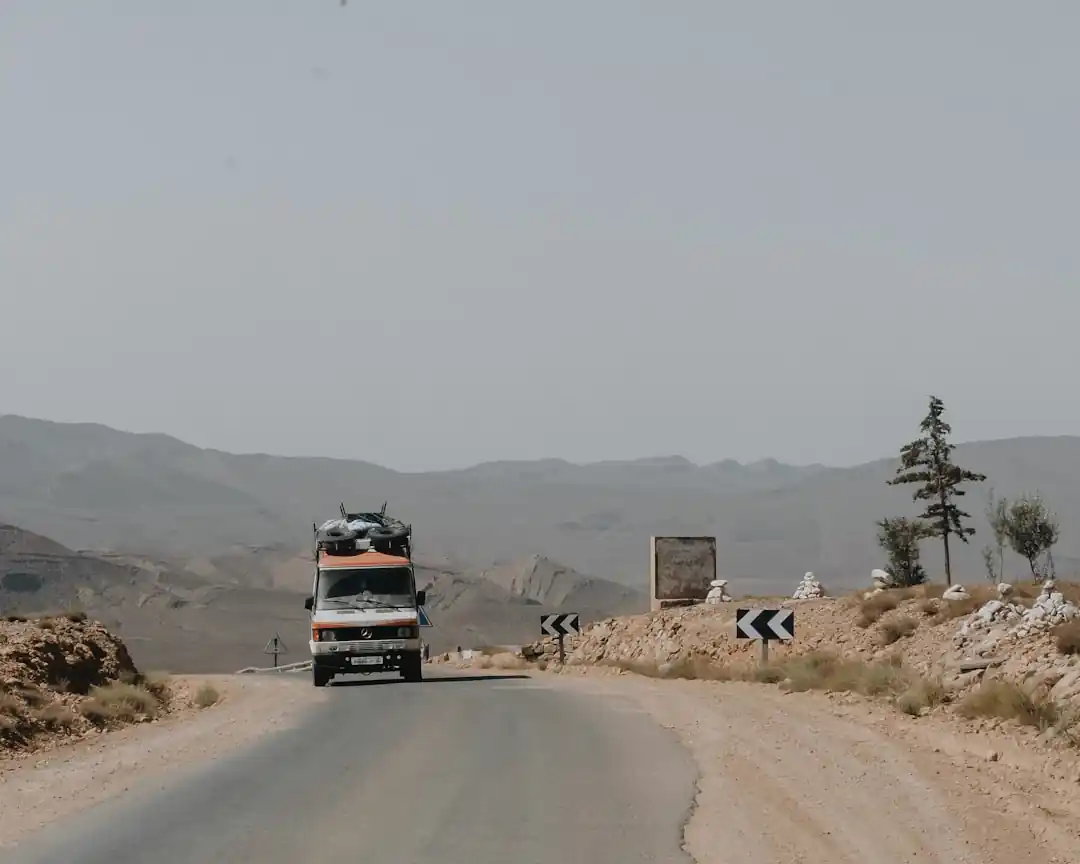
The Unseen Journey: How Aid Convoys Navigate a World in Need
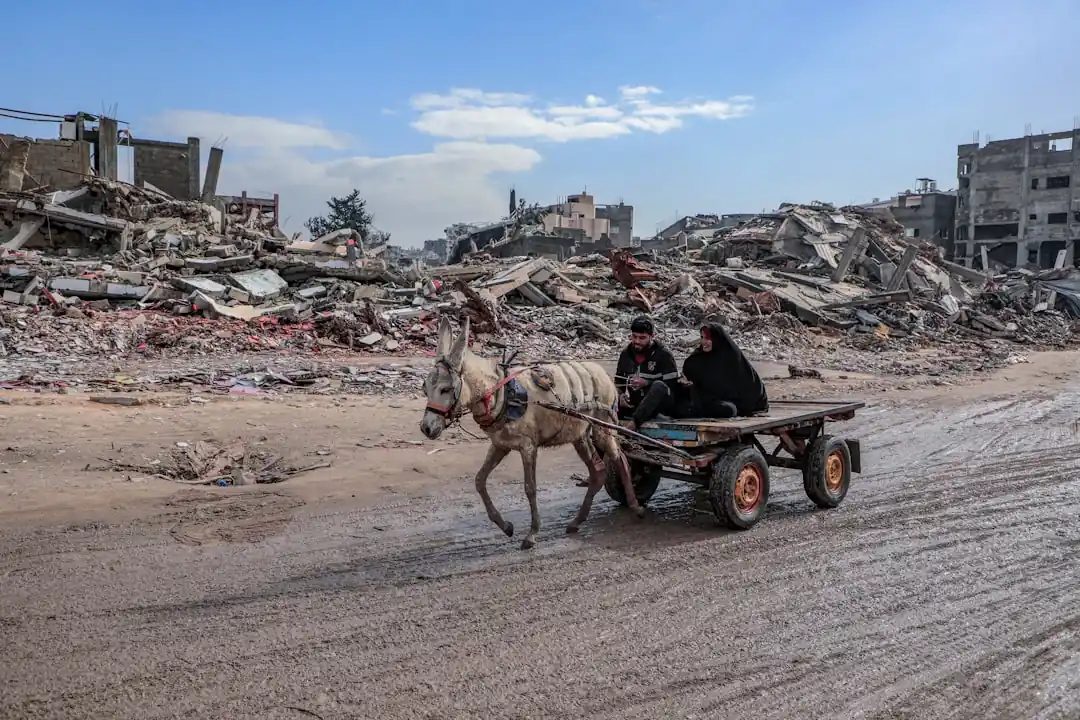
Why We Must Safeguard the Stories Etched in Stone
Related Posts
 TRANSPORT
Beyond the Highway: Finding Canada's Soul on a Western Rail Adventure
Forget road trips. I'm talking about rediscovering the romance of travel on Via Rail's most scenic routes through the heart of the Canadian West. It’s an experience that changes you.
 TRAVEL TIPS
The Unwritten Rules of the North: What to Know Before Camping in Canada
Heading to the Great White North for a camping trip? It's an amazing idea. But from campfire etiquette to wildlife wisdom, here’s what you need to know before you go.
Popular Posts

Rethinking Non-Profit Promotion: Creative Strategies That Actually Drive Event Impact

Beyond Stark White: The Best Interior Paint Colors to Light Up Your New Space

How to Actually Master a New Language on Your Own (No Magic Gene Required)
