Beyond the Dance: A Traveler's Guide to Seville's Flamenco Soul
Thinking of a trip to Seville? Let's move past the tourist photos and talk about what it really means to find the heart of flamenco.
There’s a sound in Seville that you feel as much as you hear. It might catch you off guard while wandering through the orange-scented plazas—a raw, soul-stirring cry from a distant guitar, a sudden, sharp rhythm of clapping hands. This is the sound of flamenco. Before I ever set foot in Andalusia, I thought I knew what it was. I had this picture in my head, probably the same one many of us have: a woman in a dramatic red dress, a rose between her teeth. A postcard image.
But to stand on the ancient stones of Seville and truly listen is to understand how much deeper it goes. It’s not just a dance; it’s a conversation. It’s the story of a people, a history of joy, pain, and resilience poured into music and movement. It’s an art form that resists being a simple souvenir. Finding the authentic soul of flamenco here is a journey, one that asks you to step away from the main stage and lean into the city's hidden corners.
Honestly, it can feel a little intimidating. You want to experience the real thing, not a watered-down show for tourists. But where do you even start? Let's walk through it together, because understanding flamenco is the key to unlocking a whole other layer of Seville's magic.
What is Flamenco, Really? The Soul Behind the Spectacle
The first thing to understand is that flamenco isn't just one thing. It’s a powerful trinity of three distinct art forms coming together: the cante (song), the toque (guitar), and the baile (dance). I used to think the dance was the main event, but I quickly learned that, for purists, the cante is the heart of it all. The song is where the emotion begins. It’s a guttural, often heart-wrenching story of life’s deepest struggles and fleeting joys.
This emotional core has a name: duende. It’s a famous Spanish term that’s notoriously hard to translate. It’s not just passion or skill; it’s a moment of profound, almost spiritual connection, when an artist channels an authentic, raw emotion that gives everyone in the room goosebumps. It’s a dark, mysterious, and utterly captivating force. When you see a performer possessed by duende, you’re no longer just watching a show; you’re witnessing something intensely real and human.
The guitar, or toque, isn't just an accompaniment; it’s a narrator. It weaves complex, percussive rhythms that respond to the singer's cry and drive the dancer's movements. And the dance, the baile, is the physical manifestation of all this emotion. Every sharp turn, every intricate footwork pattern (zapateado), and every graceful hand movement tells a story. It’s a language all its own, a visual poetry of strength and vulnerability.
Finding Your Flamenco: Tablao, Peña, or Spontaneous Magic?
So, you’re in Seville, and you want to experience this for yourself. You'll see flyers and posters everywhere, but they generally fall into a few categories. The most common and accessible for visitors is the tablao. A tablao is a venue dedicated specifically to flamenco shows. They range from large, theater-like productions to tiny, intimate rooms where you’re just feet from the stage. My advice? Go for the small ones. The power of flamenco is in the details—the sweat on a dancer's brow, the pained expression of a singer, the vibration of the wooden stage under your feet.
A great tablao feels less like a performance and more like you’ve been invited into a sacred space. Look for venues in the historic neighborhoods of Santa Cruz or, even better, across the river in Triana, the historic heartland of flamenco. This district was the cradle for many of the art's most legendary figures. While some shows include a full dinner, I’d suggest opting for a show with just a drink. It keeps the focus where it should be: on the art.
Then there are the peñas. A peña is a private cultural association or club where flamenco aficionados—members of the community—gather to share and preserve the art form. They are fundamentally not for-profit and are all about the community. While many are members-only, some open their doors to the public on certain nights, often for a very small entrance fee. This is where you’ll find some of the most authentic, unpolished, and passionate flamenco on the planet. It’s less of a "show" and more of a shared experience. Finding a peña night can take a bit more research, but the reward is an unforgettable glimpse into the true soul of the city.
A Few Words on Etiquette: How to Be a Good Audience
Experiencing flamenco as a foreigner, especially coming from the US where audience participation can be very different, requires a little bit of cultural attunement. The most important rule is to offer your respect through silence. During a song or a dance, the room should be completely quiet. This isn't the kind of performance where you whoop and holler throughout. The artists are digging deep, and the silence of the audience is what creates the space for duende to appear.
So, when do you clap? You’ll notice the performers and locals in the audience using rhythmic clapping, called palmas. This is a complex art in itself, with different patterns for different song styles (palos). It’s best to leave the palmas to the experts. The appropriate time for you to applaud is at the end of a piece—after a song concludes or a dancer finishes a solo. That’s when you can let all your appreciation out.
You will almost certainly hear shouts of "¡Olé!" This is the ultimate sign of approval, an exclamation that comes from the gut when a performer does something truly moving or technically brilliant. It should be spontaneous and heartfelt. Don't feel pressured to yell it, but when you hear it from a local, you’ll know you’re witnessing something special. It’s a shared, visceral reaction to a moment of pure artistry.
Flamenco is one of those experiences that stays with you. It’s more than just a vacation checklist item; it’s an invitation to connect with a deeper, more passionate side of life. It’s a reminder that the most beautiful art often comes from the most profound human experiences. So when you go to Seville, I hope you find a little corner of the city, pull up a chair, and just let yourself be completely swept away by it.
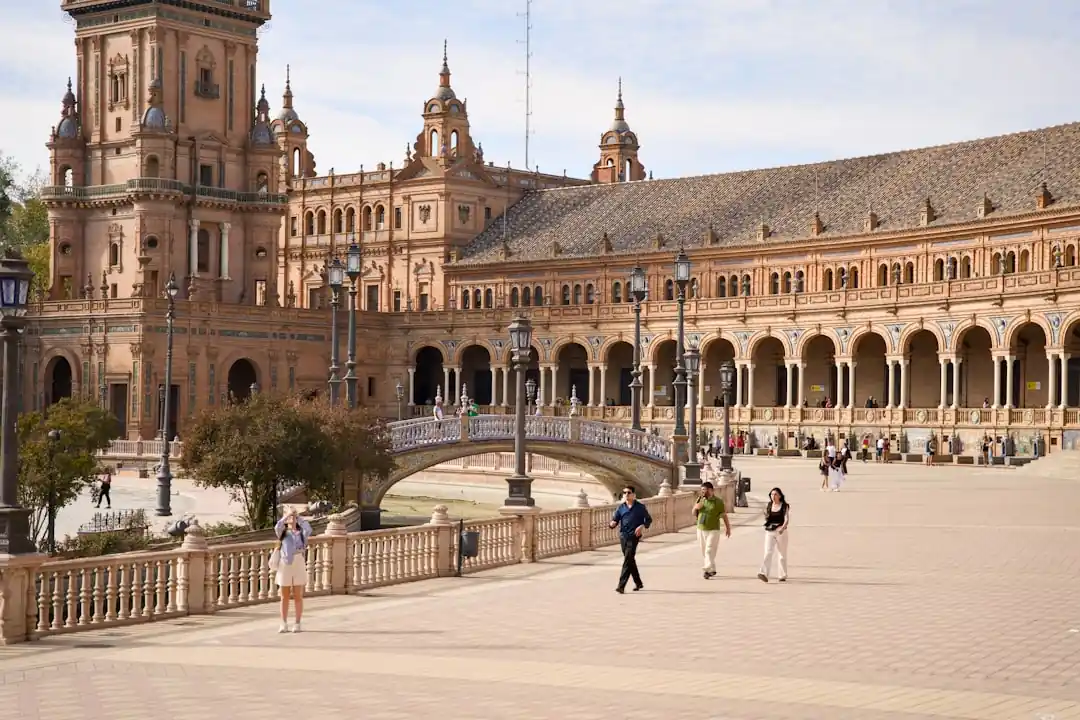
Just Landed in Seville? How to Get From the Airport to the City Center
The Real Best Time to Visit Seville (If You Secretly Hate Crowds)
Related Posts
 TRANSPORT
Beyond the Highway: Finding Canada's Soul on a Western Rail Adventure
Forget road trips. I'm talking about rediscovering the romance of travel on Via Rail's most scenic routes through the heart of the Canadian West. It’s an experience that changes you.
 TRAVEL TIPS
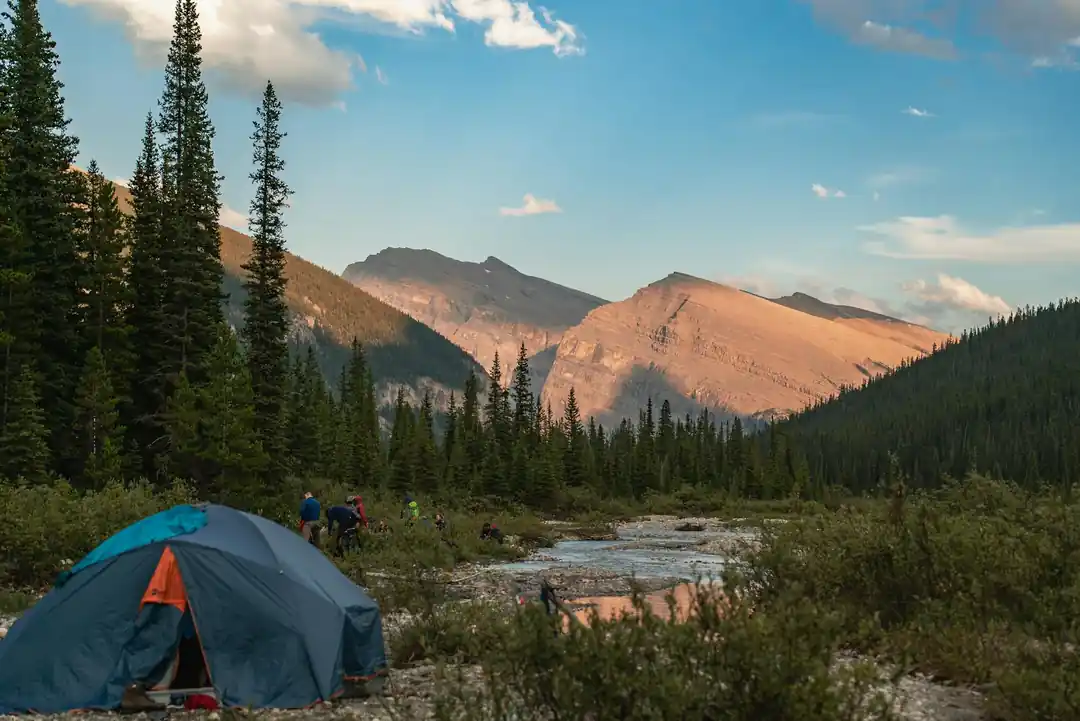
The Unwritten Rules of the North: What to Know Before Camping in Canada
Heading to the Great White North for a camping trip? It's an amazing idea. But from campfire etiquette to wildlife wisdom, here’s what you need to know before you go.
Popular Posts

Rethinking Non-Profit Promotion: Creative Strategies That Actually Drive Event Impact

Beyond Stark White: The Best Interior Paint Colors to Light Up Your New Space

How to Actually Master a New Language on Your Own (No Magic Gene Required)
