Your First Apartment: A No-Stress Guide to Finding a Place You'll Love
Embarking on your first apartment hunt is a major life milestone. It's exciting, sure, but it can also be overwhelming. Let's walk through it together, step-by-step.
There’s a unique thrill that comes with hunting for your very first apartment. It’s the promise of a space that’s entirely your own, a blank canvas for your life. I remember the feeling like it was yesterday—a mix of pure excitement and, if I’m being honest, a healthy dose of anxiety. You’re not just looking for a place to live; you’re searching for a home. And when you're new to the game, the process can feel like it's filled with hidden rules and potential pitfalls.
The good news is that with a little preparation, you can navigate the rental market like a seasoned pro. It’s not about finding a perfect place (spoiler: those rarely exist), but about finding the right place for you, right now. It’s about knowing what to look for, what questions to ask, and how to trust your gut.
This isn't just a checklist. It's a guide to help you think through the big decisions and notice the small details. We'll cover everything from figuring out your budget to making sense of the lease agreement. Think of me as your friend who’s been there, done that, and is here to help you avoid the common mistakes. Let's get you ready to unlock the door to your new life.
The All-Important Money Talk: Budgeting for More Than Just Rent
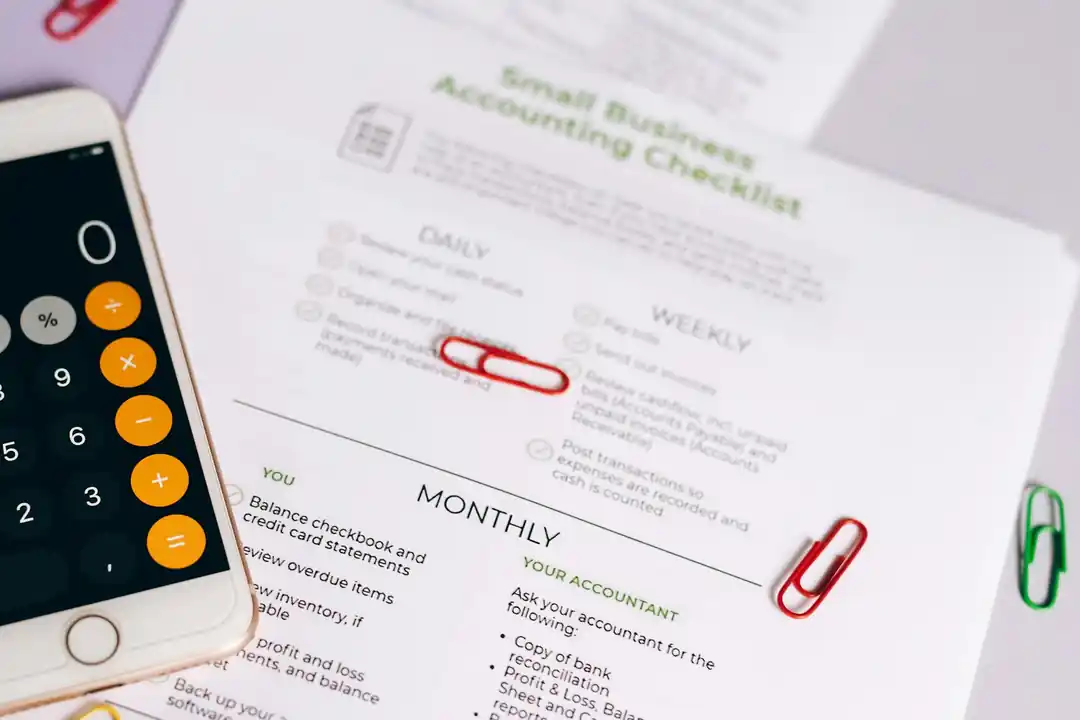
Before you even open your first rental app, you need to have a serious conversation with your bank account. It’s easy to get swept up in beautiful listings with floor-to-ceiling windows, but falling in love with a place you can’t afford is a recipe for heartbreak and financial stress. A solid budget is the foundation of a successful apartment hunt.
A widely accepted rule of thumb in the US is the 30% rule: your monthly rent should not exceed 30% of your gross monthly income (that’s your income before taxes). Landlords and property managers often use this as a quick way to gauge if you can comfortably afford the rent. So, if you make $4,000 a month, you should aim for apartments around or below $1,200. This isn't just to satisfy the landlord; it's to ensure you have enough money left for, you know, living.
But rent is just the beginning. The upfront costs can be a shock if you're not prepared. You'll almost always need to pay the first month's rent and a security deposit (which is often equal to one month's rent) upon signing the lease. Some places might even ask for the last month's rent, too. That means for a $1,200 apartment, you could need $2,400 to $3,600 ready to go. And don't forget other potential application fees, credit check fees, or move-in fees. Always ask about these upfront.
Finally, there are the recurring monthly costs that aren't included in the rent. Utilities like electricity, gas, water, and trash can add a significant amount to your monthly expenses. Ask the landlord for an estimate of average monthly utility costs. Then there's internet, a non-negotiable for most of us. And please, do not skip on renter's insurance. It’s surprisingly affordable (often just $10-20 a month) and can save you from financial disaster if your belongings are stolen or damaged. Factoring all these costs in will give you a true picture of what you can realistically afford.
The Hunt: Strategy, Location, and Non-Negotiables
Once your budget is set, the fun part begins: the actual hunt. Start by making a list of your "must-haves" and "nice-to-haves." Must-haves are your deal-breakers. This could be the number of bedrooms, a pet-friendly policy, or the need for off-street parking. Nice-to-haves are the perks you’d love but could live without, like a balcony, a dishwasher, or an in-unit washer and dryer. This list will be your compass, helping you quickly filter through dozens of listings.
Location is everything. Don't just fall for a great apartment; fall for a great neighborhood. Before you even schedule a tour, do some digital reconnaissance. Use online maps to check the commute time to your work or school during rush hour. Look for nearby essentials: where's the closest grocery store? A pharmacy? A park to walk in? A good coffee shop for lazy Sunday mornings? Driving or walking around a potential neighborhood at different times of the day—like during the evening and on a weekend—can give you a real feel for its vibe, noise level, and safety.
When you're scrolling through online listings on sites like Zillow, Apartments.com, or even local classifieds, be a savvy consumer. If a deal looks too good to be true (like a huge, renovated downtown apartment for a rock-bottom price), it probably is. Be wary of listings with no photos or descriptions that are vague and full of typos. These can be signs of a scam. Stick to reputable sites and never, ever send money for a deposit or application fee for an apartment you haven't seen in person.
The Tour: Your Chance to Play Detective
An apartment tour is your opportunity to look beyond the curated photos and see the reality of the space. This is where you need to switch on your inner detective. Be thorough. Be nosy. This is a major financial decision, and you have every right to inspect your potential new home from top to bottom. I recommend creating a checklist on your phone of things to look for so you don't forget anything in the excitement of the moment.
Start with the basics. Test the water pressure in the shower and sinks. Flush the toilet. Open and close all the windows and doors to make sure they work properly and seal correctly. Look for signs of water damage, like stains on the ceiling or warped floorboards, which could indicate a history of leaks. Check for evidence of pests—look in the back of cabinets and closets for droppings or traps. Don't forget to check your cell phone reception in different parts of the apartment; a dead zone in your own living room is a modern-day nightmare.
Think about your daily life. Is there enough closet and storage space for your belongings? Are there enough electrical outlets, and are they in convenient locations? If you're a light sleeper, pay attention to noise from the street or neighboring apartments. If possible, try to tour the apartment on a weekday evening to get a sense of the building's noise level. Take photos and even short videos. After you’ve seen a few places, they can start to blur together, and having your own visuals to refer back to is incredibly helpful.
Decoding the Lease: Don't Sign on the Dotted Line... Yet
You found it. The one. The budget works, the location is great, and the tour went perfectly. The landlord slides a thick document across the table. It’s the lease. It can be tempting to just sign it and get the keys in your hand, but this is the most critical moment of the entire process. A lease is a legally binding contract, and you need to understand exactly what you're agreeing to.
Read every single word. Yes, it’s long and often filled with legal jargon, but its contents will dictate your life for the next year or more. Pay close attention to the lease term (is it 12 months? 6 months?), the rent amount, and the due date. Understand the policies on late fees. Look for clauses about guests, pets (even if you don't have one now), and subletting. Are you allowed to paint the walls or hang heavy pictures? What are the rules for moving out, and how much notice do you need to give?
Don't be afraid to ask questions. If there's anything you don't understand, ask the landlord or property manager to explain it. A good landlord will be happy to clarify. If they're evasive or pressure you to sign quickly, that's a major red flag. You can even ask for a day to review the lease at home, away from the pressure of the moment. This is your future home and your financial security on the line. Taking the time to read the fine print is one of the smartest moves you can make.
Finding your first apartment is a journey, and like any good adventure, it comes with its share of challenges and triumphs. But by being prepared, asking the right questions, and trusting your instincts, you'll be able to navigate it with confidence. Soon enough, you'll be unpacking boxes and turning that new set of keys into the start of a wonderful new chapter. Enjoy the process, and welcome home.

The Honest Truth About Drinking Tap Water in Costa Rica
Chasing the Yukon's Dancing Lights: Your Guide to an Unforgettable Aurora Adventure

Related Posts
 INTERIOR IDEAS
Beyond Stark White: The Best Interior Paint Colors to Light Up Your New Space
Discover how moving away from flat white walls to soft pale blues, earthy sage greens, and cozy warm neutrals can naturally brighten your home.
 HOME IMPROVEMENT
The Honest Winter Energy Guide: How I Cut Heating Costs Without Freezing
Practical, research-backed ways to keep your home warm and your utility bills reasonable this winter, from simple DIY sealing to smart habits.

Popular Posts

Rethinking Non-Profit Promotion: Creative Strategies That Actually Drive Event Impact
Beyond Stark White: The Best Interior Paint Colors to Light Up Your New Space

How to Actually Master a New Language on Your Own (No Magic Gene Required)
