Thinking about switching to an electric vehicle? We're breaking down the real-world pros and cons of using an EV for your daily commute in the US.
For as long as I can remember, the daily commute has been a ritual underscored by the rumble of a gasoline engine and the familiar sight of gas station price signs. It’s a rhythm of American life. But lately, a quieter, smoother alternative has been gaining serious traction. It seems like every other car on the highway is an electric vehicle (EV), and the curiosity is becoming undeniable. Is it time to make the switch?
The conversation around EVs has shifted. It's no longer a niche topic for the most environmentally conscious among us. With rising and unpredictable gas prices, coupled with significant advancements in technology, EVs are now a practical consideration for everyday drivers. The idea of waking up to a "full tank" every morning without ever leaving the house is compelling. But it's a big decision that goes beyond just the initial sticker price.
So, let's sit down and have a real conversation about it. What are the genuine pros and frustrating cons of handing over your daily commute to an electric vehicle? I've been digging into the research and talking to friends who have made the leap. It’s a decision with real financial, practical, and lifestyle implications, and it’s worth exploring from every angle before you plug in.
The Upside: More Than Just Skipping the Gas Station
Let's start with the most celebrated benefit: the savings. Honestly, the idea of bypassing the gas station entirely is a powerful motivator. With the wild swings in gas prices, having a predictable and significantly lower cost to power your car is a huge financial win. Electricity rates are far more stable than gasoline, and charging at home, especially overnight during off-peak hours, can cost a fraction of what you’d spend on gas for the same mileage. We're talking about potential savings of over a thousand dollars a year for the average driver.
But the financial perks don't stop at fuel. Maintenance is another area where EV owners come out ahead. Think about all the routine maintenance a gas-powered car requires: oil changes, spark plug replacements, filter changes, and exhaust system repairs. An electric motor has drastically fewer moving parts. This translates to fewer service appointments, less time wasted at the mechanic, and more money in your pocket. Even brake wear is reduced thanks to regenerative braking, a system where the motor helps slow the car, converting kinetic energy back into battery charge.
Beyond the numbers, there's the driving experience itself. It’s something you have to feel to truly understand. The instant torque from an electric motor provides surprisingly quick and smooth acceleration, making city driving and highway merging feel effortless. The ride is incredibly quiet, creating a more serene and less stressful environment for your daily commute. It can transform a drive you dread into a part of the day you actually enjoy.
The Reality Check: Hurdles on the Road to Electric
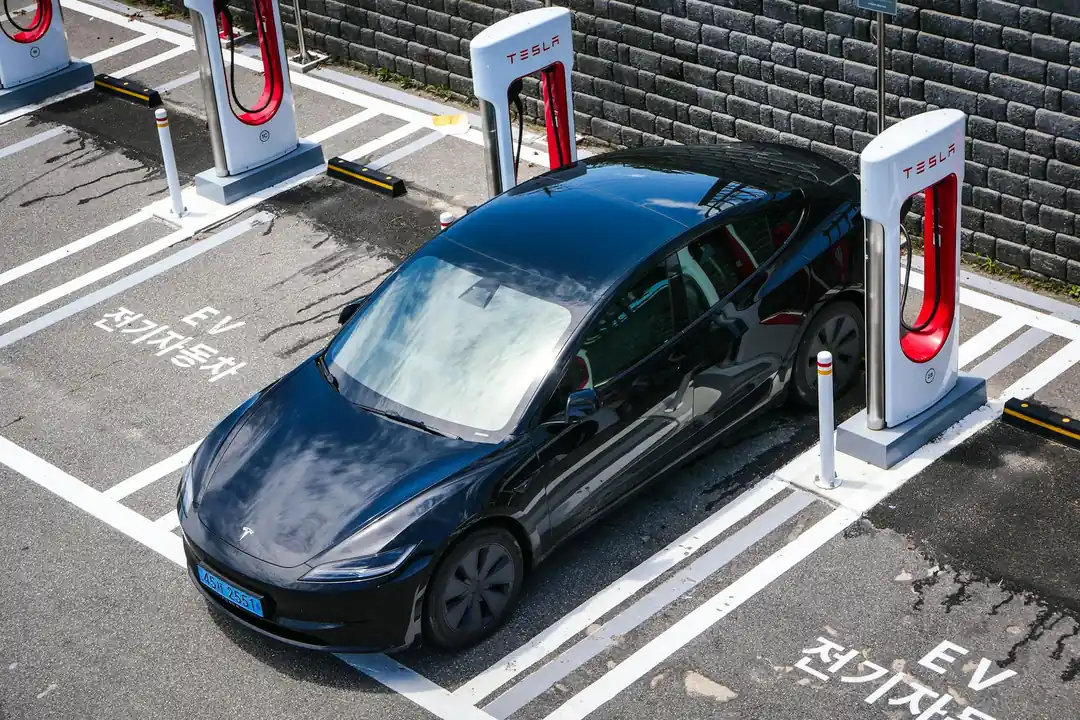
Of course, the transition to an EV isn't without its challenges. The most significant hurdle for many is "range anxiety"—the fear of your battery dying mid-commute, leaving you stranded. While the average American's daily drive is well within the range of any modern EV, the psychological barrier is real. This is compounded by the state of public charging infrastructure. While it's growing fast, it's not yet as ubiquitous as the gas station on every corner.
Finding a public charger can sometimes be a hassle. You might arrive to find it occupied or, even more frustratingly, out of service. This can add a layer of planning and potential stress to longer trips that gas car owners never have to consider. While home charging handles the vast majority of your needs, reliance on the public network for anything beyond your daily route requires a bit of a mindset shift and a willingness to use apps to plan your stops.
Then there's the upfront cost. While federal and state incentives can help, the initial purchase price of a new EV is often higher than a comparable gasoline-powered car. This initial investment can be a significant barrier for many households, even if the long-term savings on fuel and maintenance are substantial. You also have to factor in the potential cost of installing a Level 2 charger at home for faster and more convenient charging, which can add another few hundred to a couple of thousand dollars to your initial outlay.
So, Is an EV Right for Your Commute?
Ultimately, the decision to go electric for your daily commute is a personal one, heavily dependent on your specific circumstances. If you're a homeowner with a garage or dedicated parking spot, installing a home charger is relatively straightforward and makes the EV experience incredibly seamless. Waking up every morning with enough range for several days of typical driving eliminates nearly all range anxiety.
You have to take an honest look at your driving habits. Is your commute a predictable 40 miles round trip? An EV will handle that with ease, with plenty of power to spare for after-work errands. Do you frequently take spontaneous, long-distance road trips to areas with sparse charging options? If so, you might need to be more deliberate in your planning, or perhaps a plug-in hybrid (PHEV) could be a better transitional step.
The electric vehicle landscape is changing at a breathtaking pace. Batteries are becoming more powerful, ranges are increasing, and the charging infrastructure is constantly expanding. The concerns that are valid today may be non-issues in a few short years. For many, the benefits of a cheaper, cleaner, and more enjoyable commute already outweigh the drawbacks. It represents a fundamental shift in how we think about personal transportation, and it’s a future that feels closer than ever.

How to Build a Social Media Strategy That Actually Works for Your Small Business
The Fed’s Whisper: How Federal Interest Rate Changes Affect Your Savings

Related Posts
 TRANSPORT
Beyond the Highway: Finding Canada's Soul on a Western Rail Adventure
Forget road trips. I'm talking about rediscovering the romance of travel on Via Rail's most scenic routes through the heart of the Canadian West. It’s an experience that changes you.
 TRAVEL TIPS
The Unwritten Rules of the North: What to Know Before Camping in Canada
Heading to the Great White North for a camping trip? It's an amazing idea. But from campfire etiquette to wildlife wisdom, here’s what you need to know before you go.

Popular Posts

Rethinking Non-Profit Promotion: Creative Strategies That Actually Drive Event Impact

How to Actually Master a New Language on Your Own (No Magic Gene Required)

The Simple Pre-Workout Fueling Strategy That Saved My Long Runs